



Preschool worksheets should ask for one clear action
A preschool page works best when the child can understand the job quickly. Trace the path. Count the objects. Circle the larger group. Match the pictures. Color the section. When the page asks for one clear action, the adult can support the thinking instead of explaining a crowded set of directions. That is why these folders are split by early learning task rather than bundled into one large packet.
Begin with movement before answers
Tracing pages are often the right first stop because the work is physical. A child learns how to follow a line, start and stop a pencil, curve around a shape, and keep eyes on the page. Those small movements prepare the hand for numbers and letters later, even when the sheet does not feel like math yet.
Counting needs objects the child can see
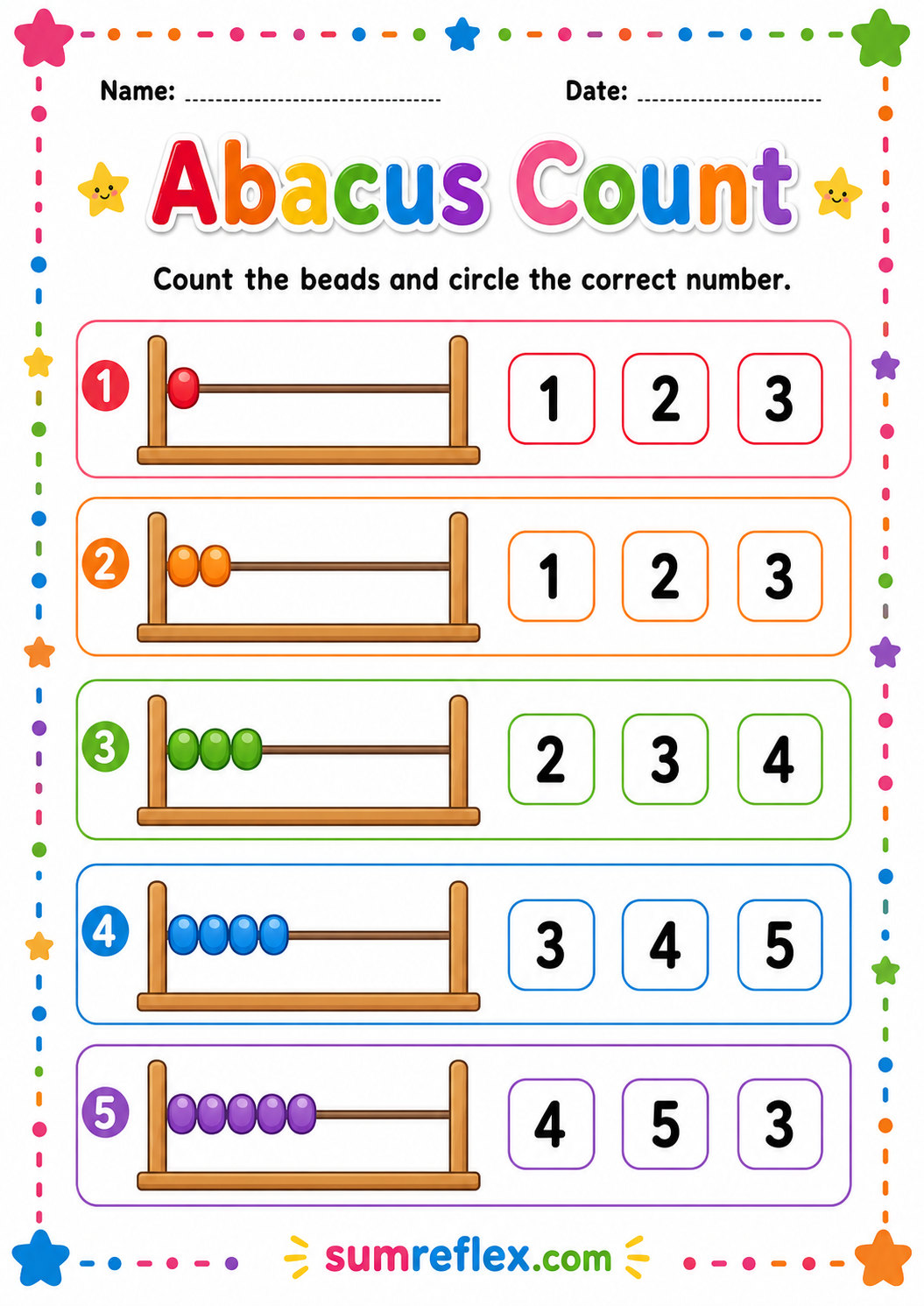
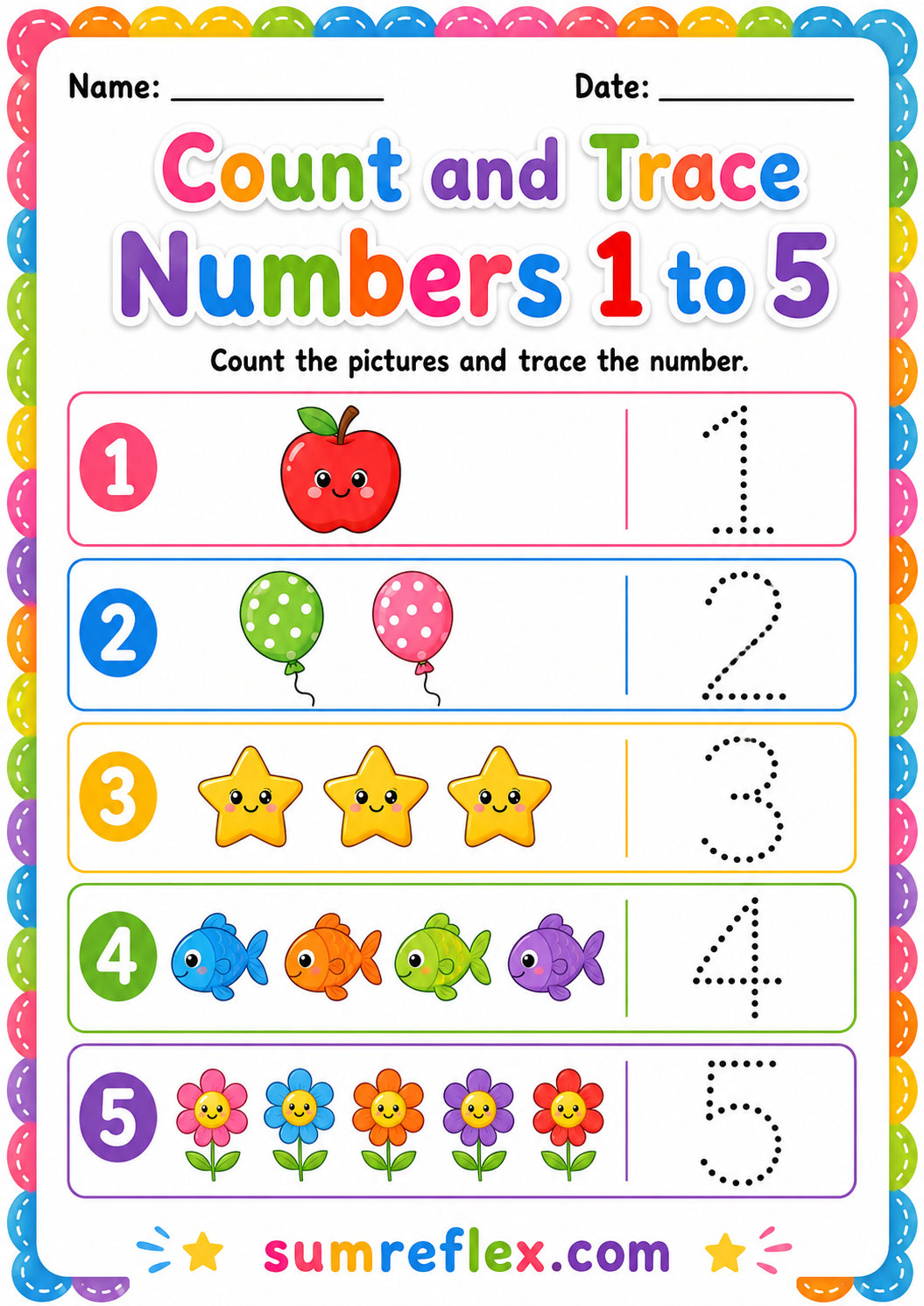
Early counting should stay connected to real groups on the page. Pictures help children point, touch, mark, and recount when they are unsure. A good counting worksheet is not only about writing a numeral. It should help the child match the spoken count to the group in front of them and notice when an item has already been counted.
Number sense grows through small comparisons
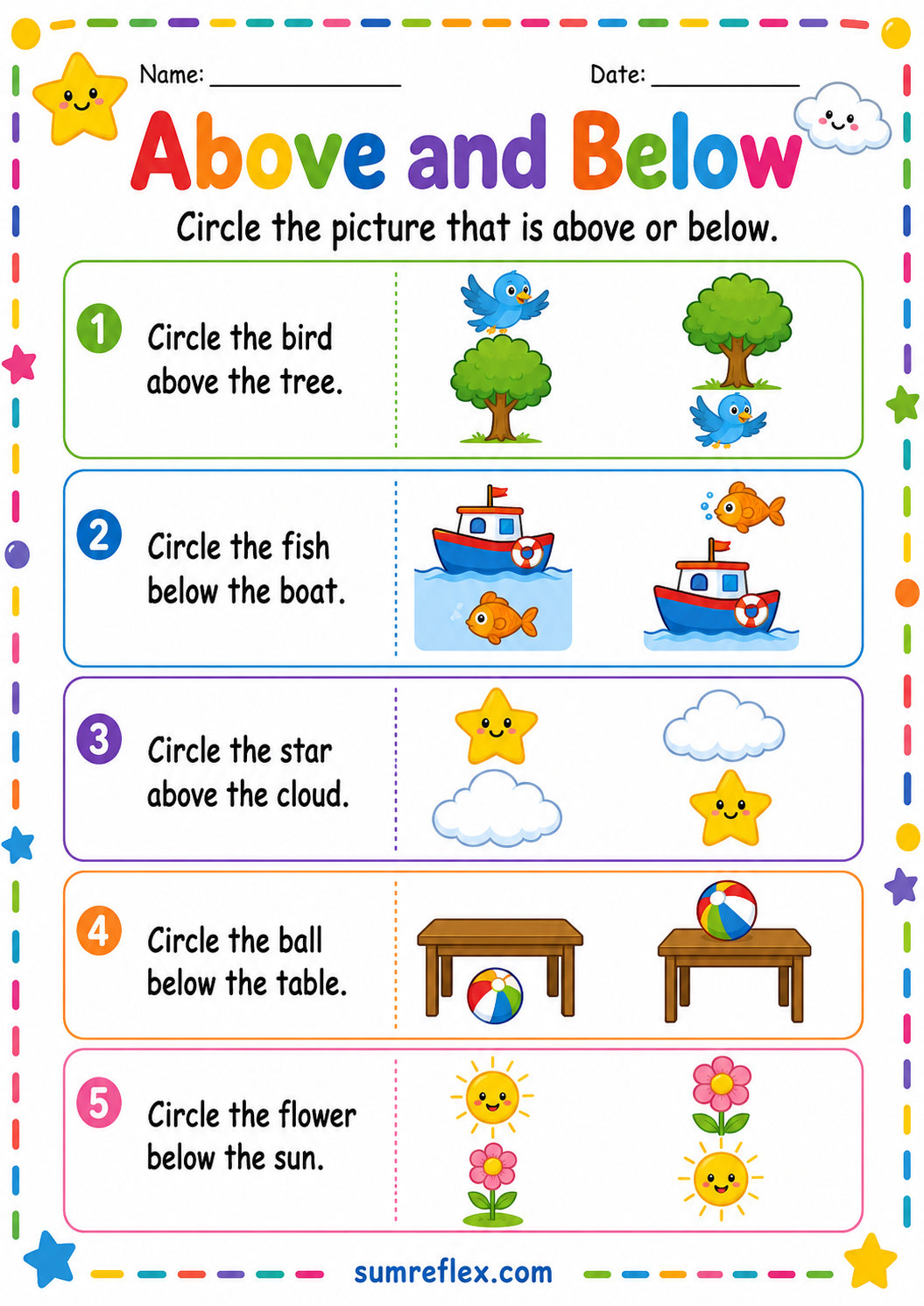
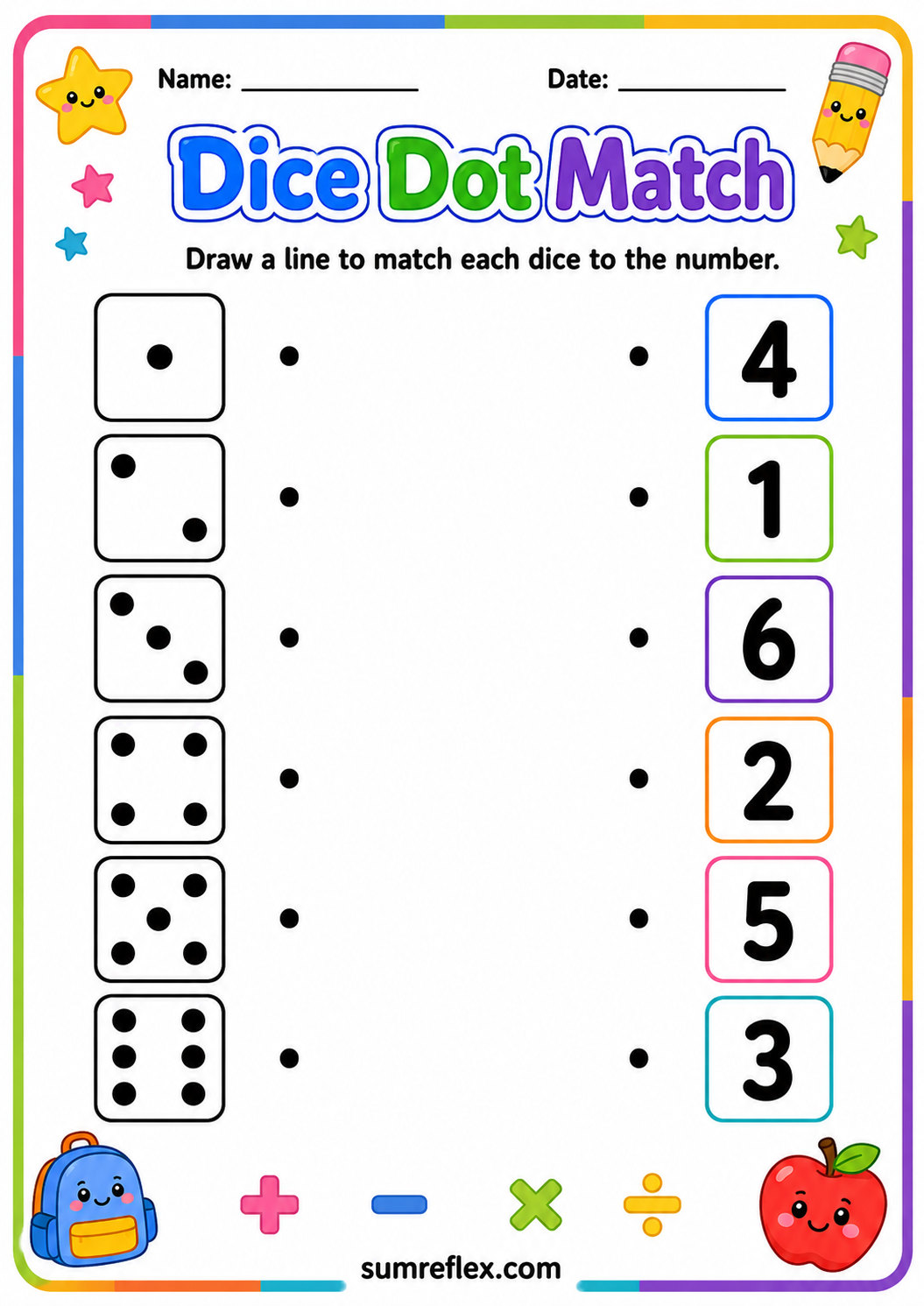
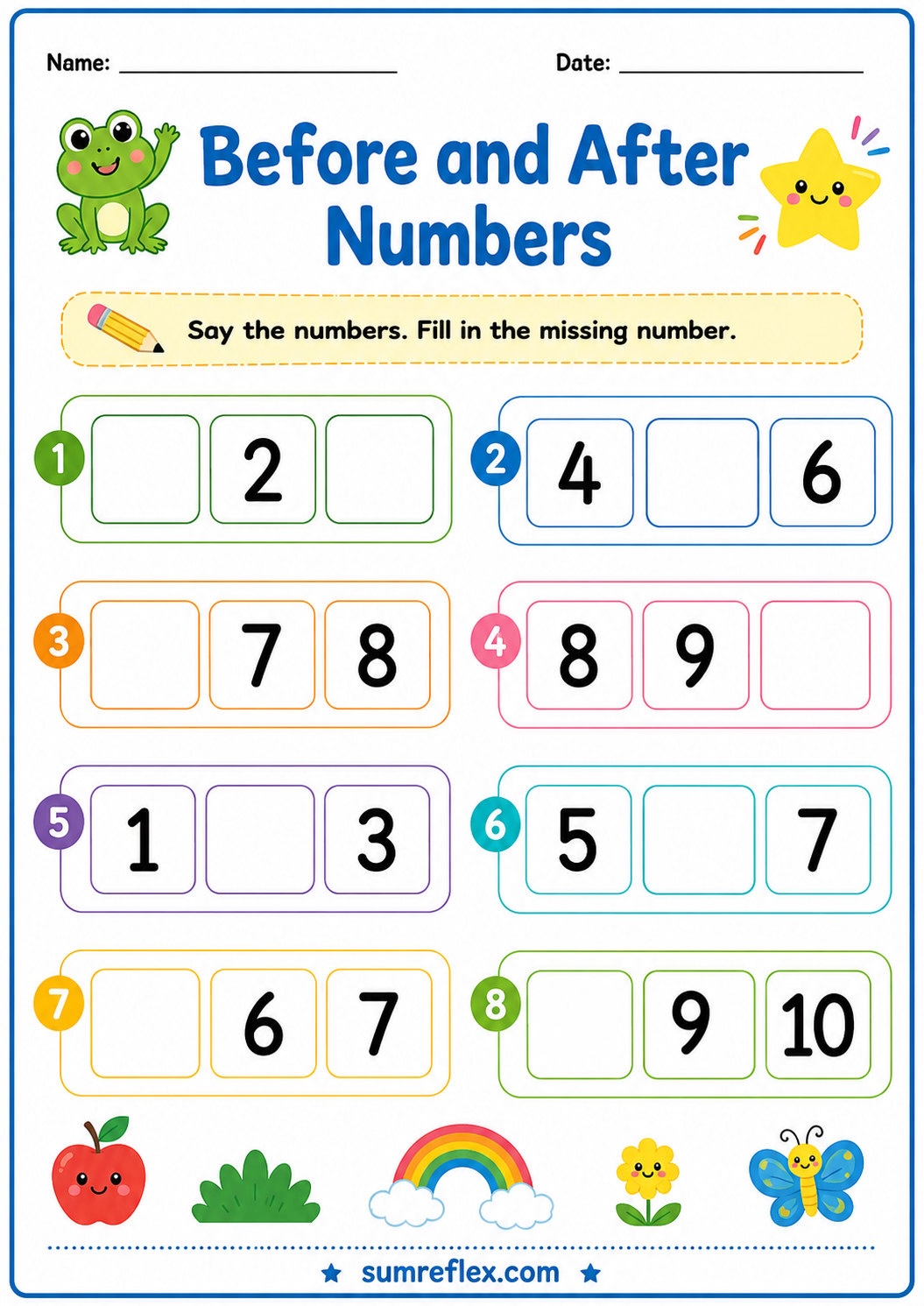
Before formal operations, children need language for more, less, before, after, first, last, biggest, and smallest. Those words build the thinking that later supports addition and subtraction. A number sense page may look simple, but it trains a child to compare quantities and positions instead of treating every number as a separate symbol.
Picture operations should stay concrete
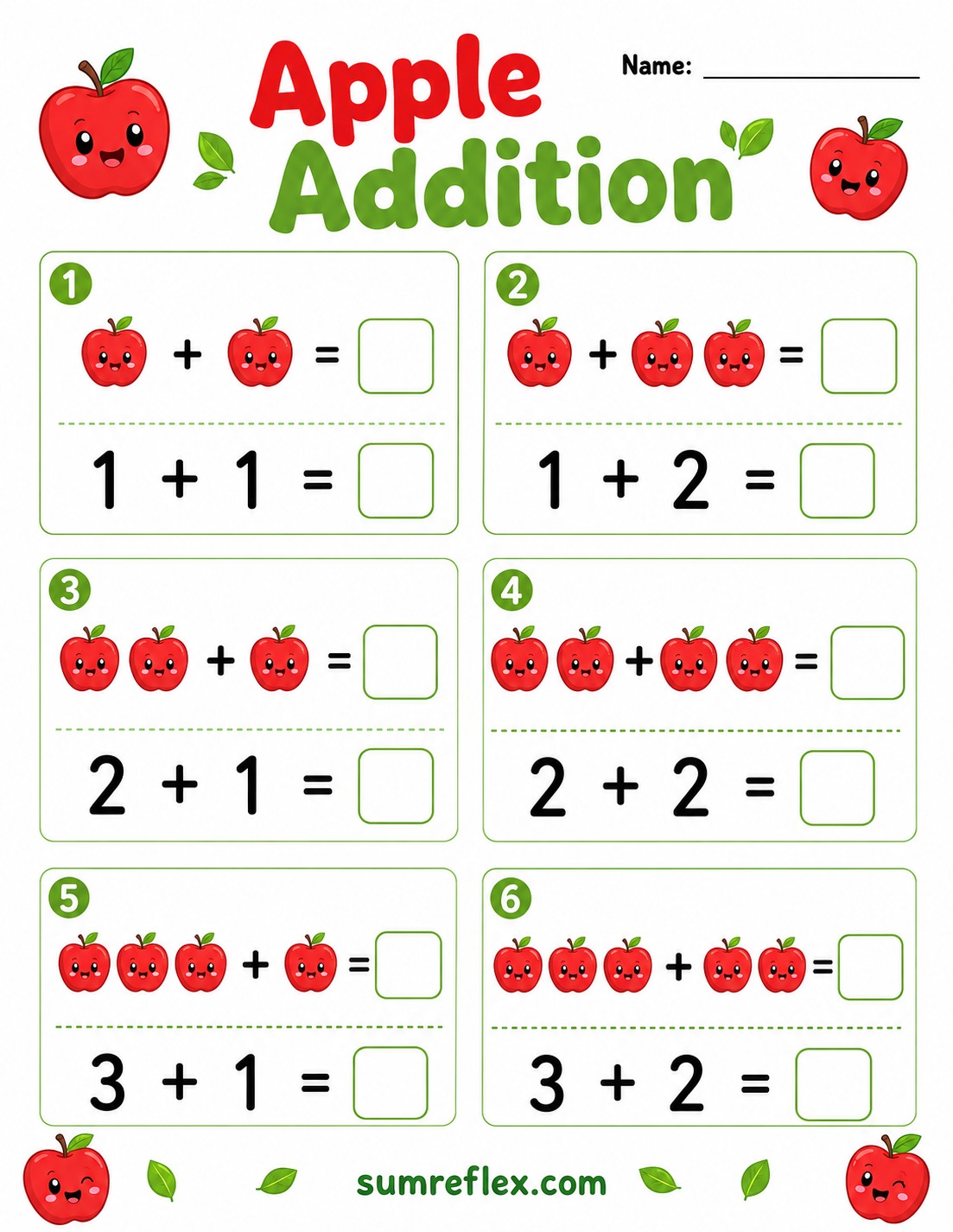
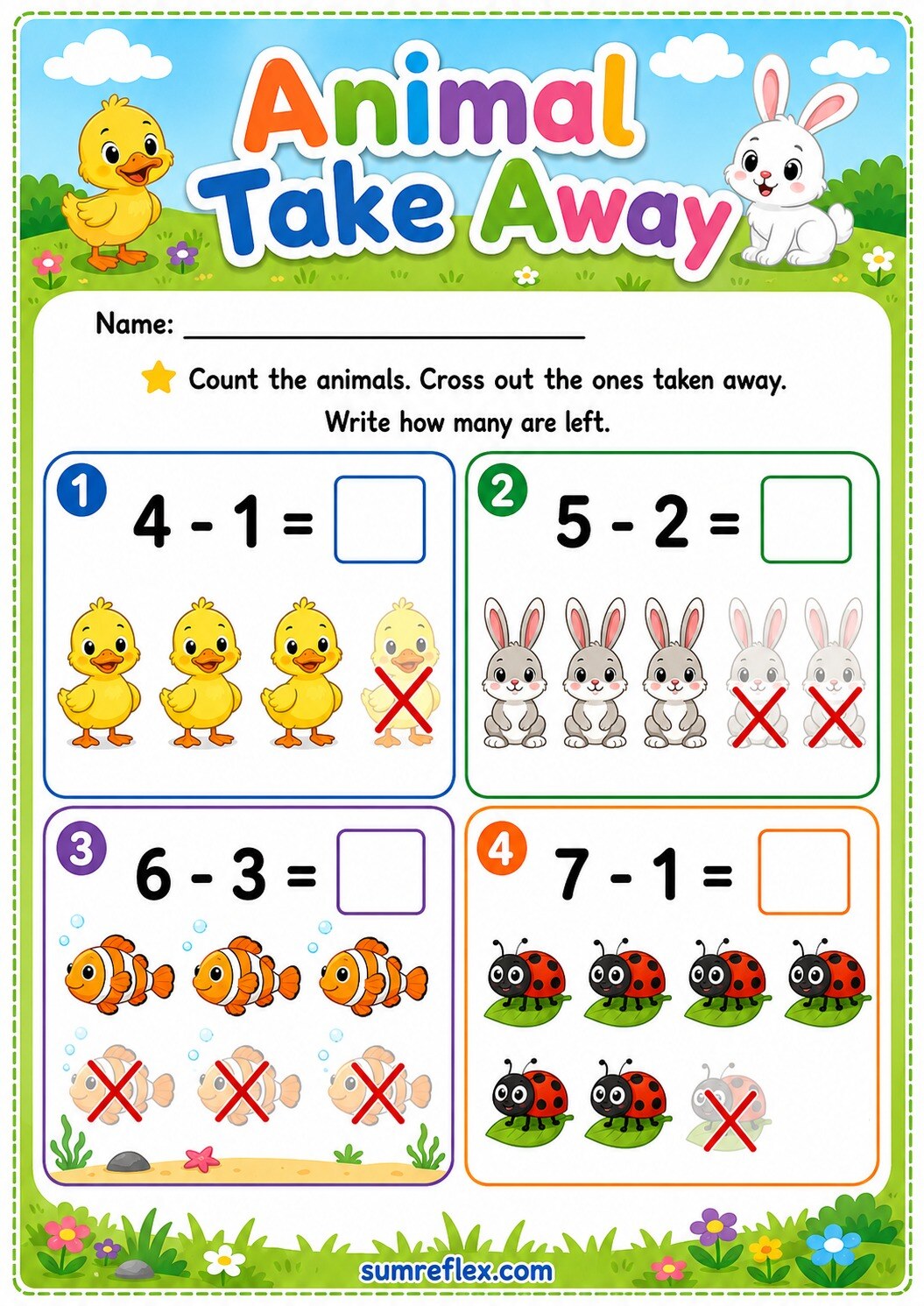
Preschool addition and subtraction pages should not feel like abstract equations too early. Picture groups, crossed-out objects, and small totals make the operation visible. A child can say what was added or what was taken away. That spoken explanation matters more than speed because it shows the child understands the action behind the answer. If the child can move a finger from one group to the next and describe the change, the worksheet is doing useful readiness work.
Visual reasoning deserves its own day
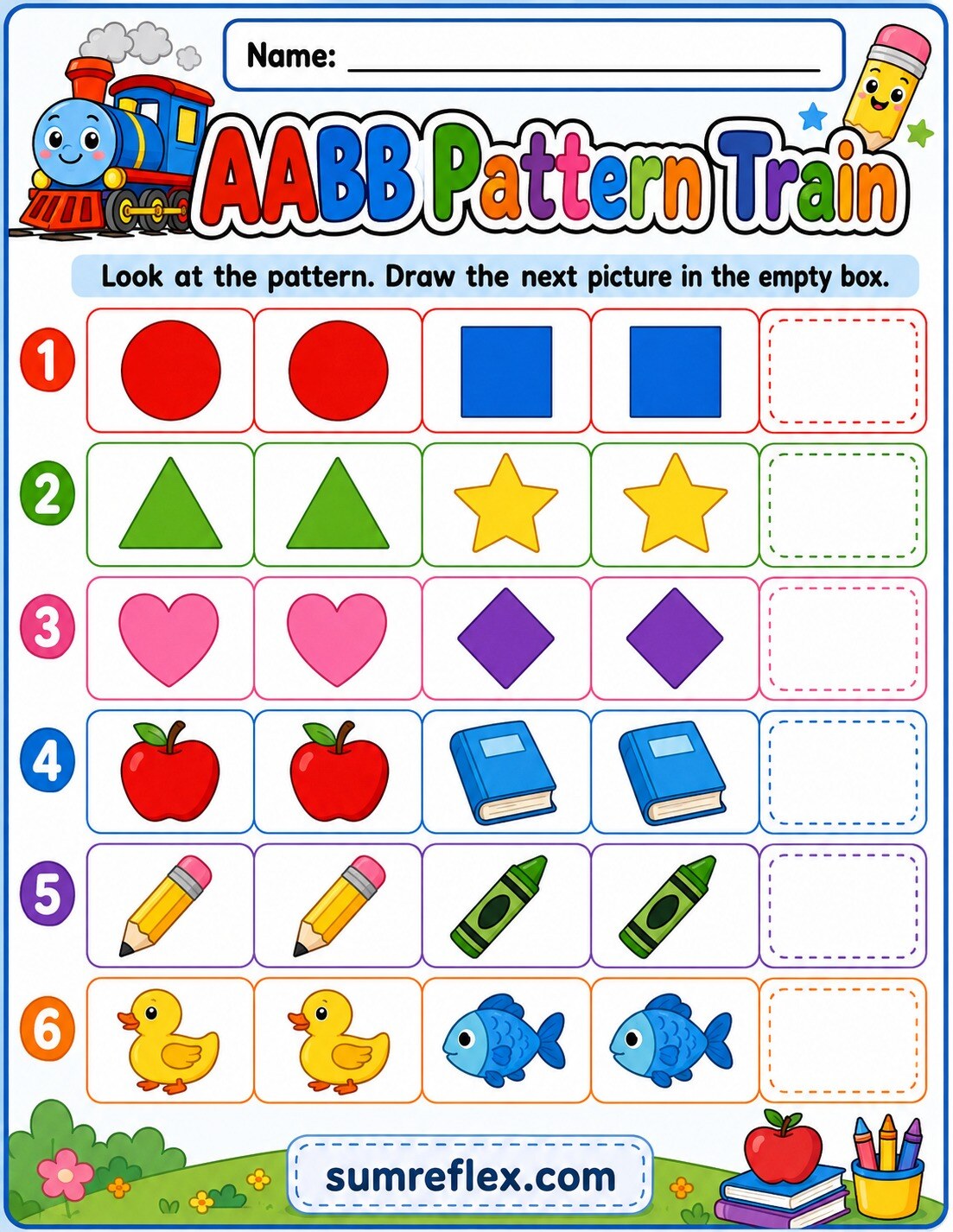
Shapes, patterns, matching, and comparisons all train attention. The child learns to notice color, size, order, position, and shared features. These are not filler pages. They help children sort information, predict what comes next, and explain why two things belong together. That reasoning supports later math vocabulary and classroom directions.
Coloring and mazes can still have a purpose
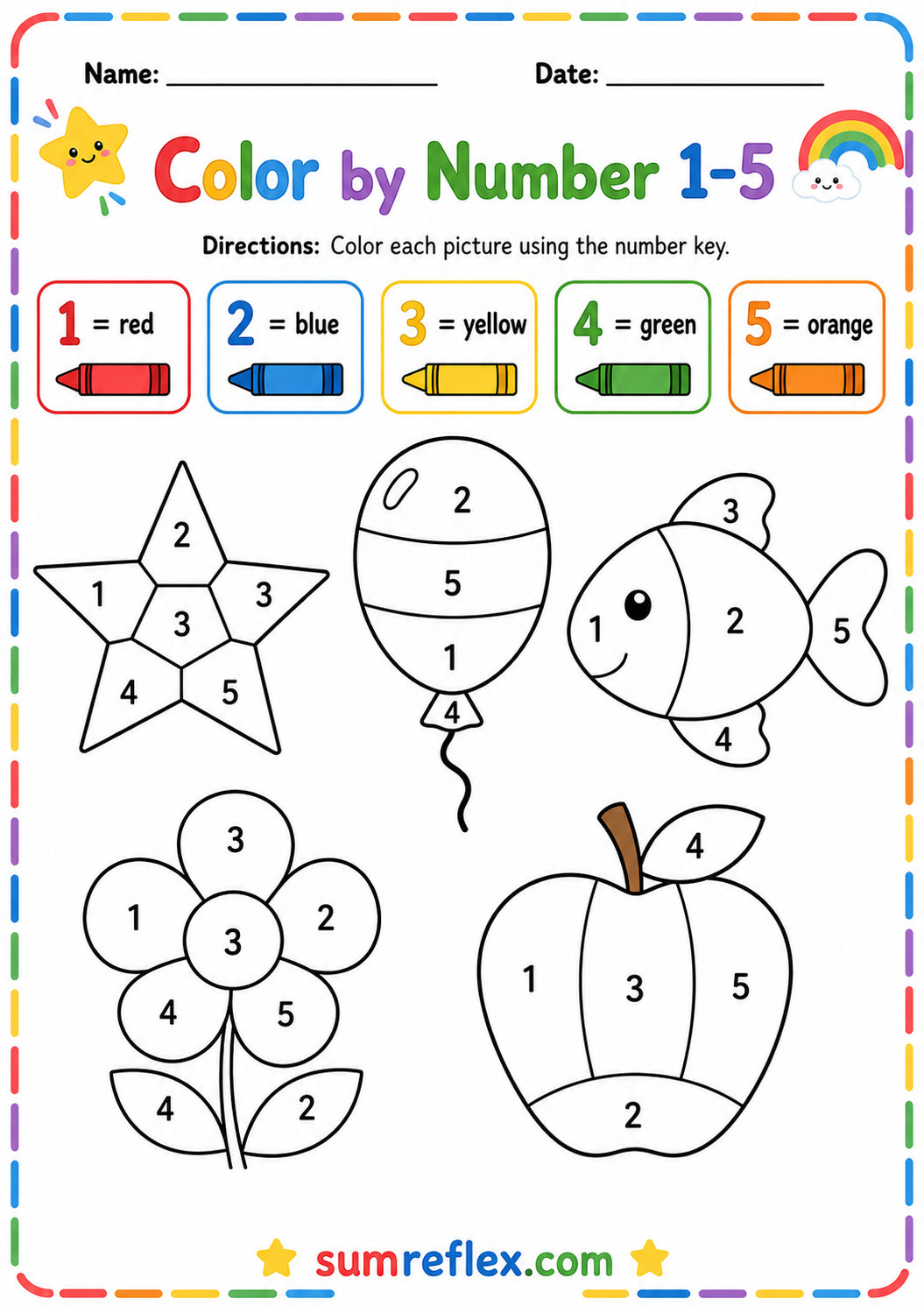
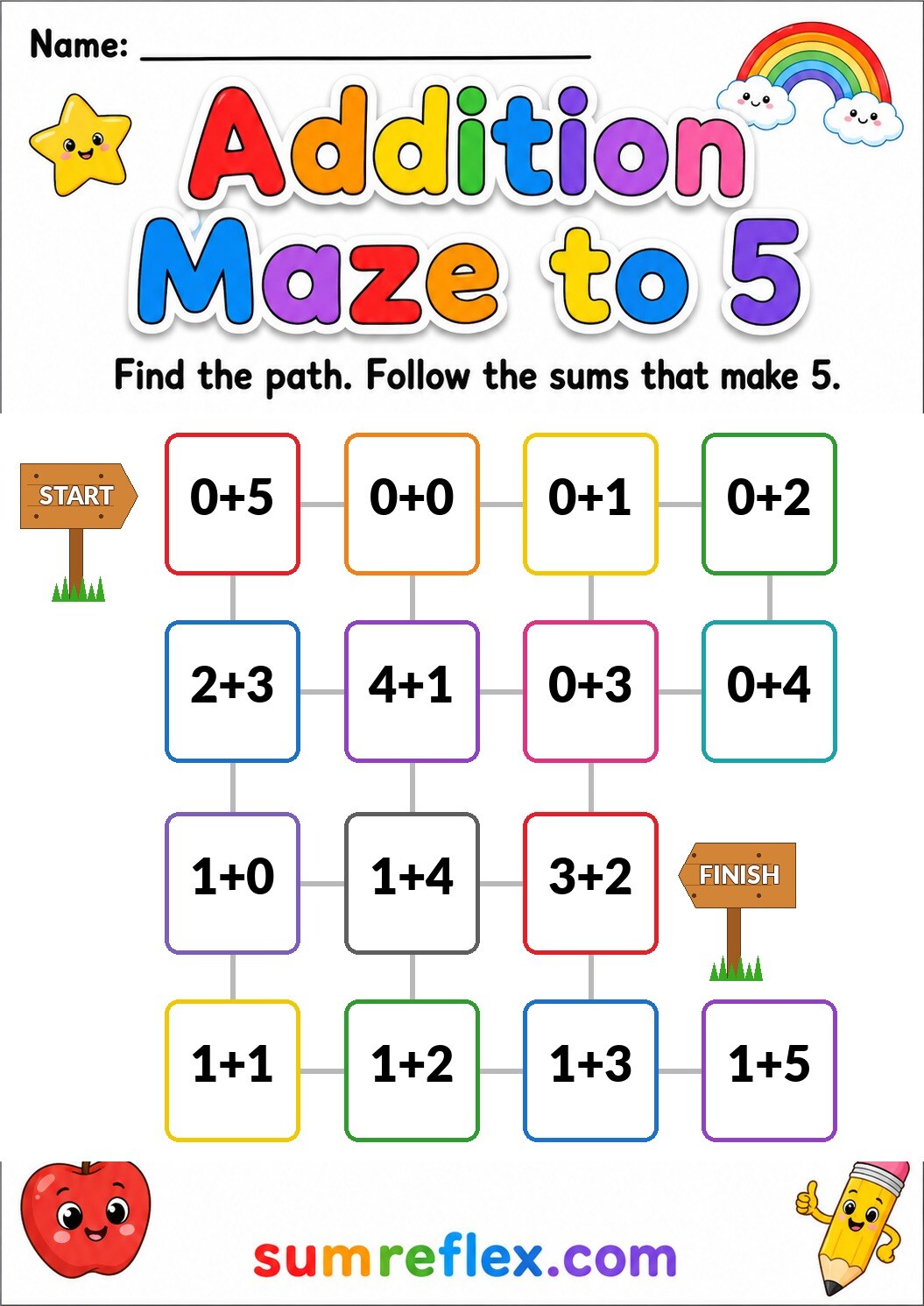
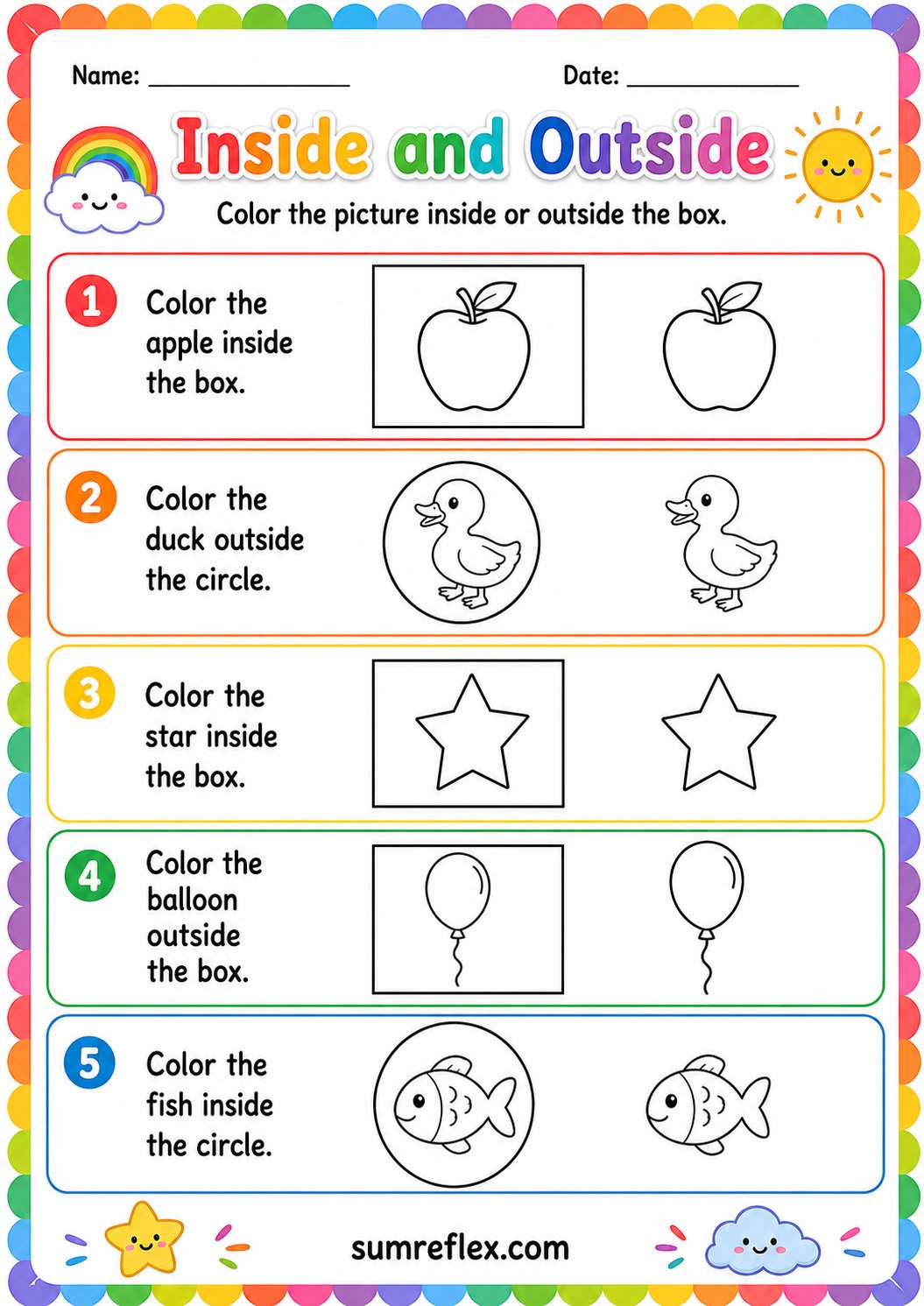
A coloring page can build patience and boundary control. A maze can build planning and direction changes. These activities work best when the adult adds one light question after the page: which path worked, which color did you choose, where did the line turn, or what part was hardest? The question turns the printable into a short conversation.
Stop while the page still feels successful
Preschool practice should end before the child is exhausted. One page done carefully is enough for many sessions. If the learner wants more, choose another page from the same folder so the action remains familiar. If the first page was frustrating, switch to a calmer task such as coloring or tracing rather than forcing another skill immediately. The adult can save unfinished pages for later; stopping early is better than turning a short readiness activity into resistance.