



What Grade 4 number sense covers
Number sense is the ability to understand what numbers mean, how they are written, how they can be rounded or broken apart, when they divide evenly, and how different forms can represent the same value.
Rounding supports estimation
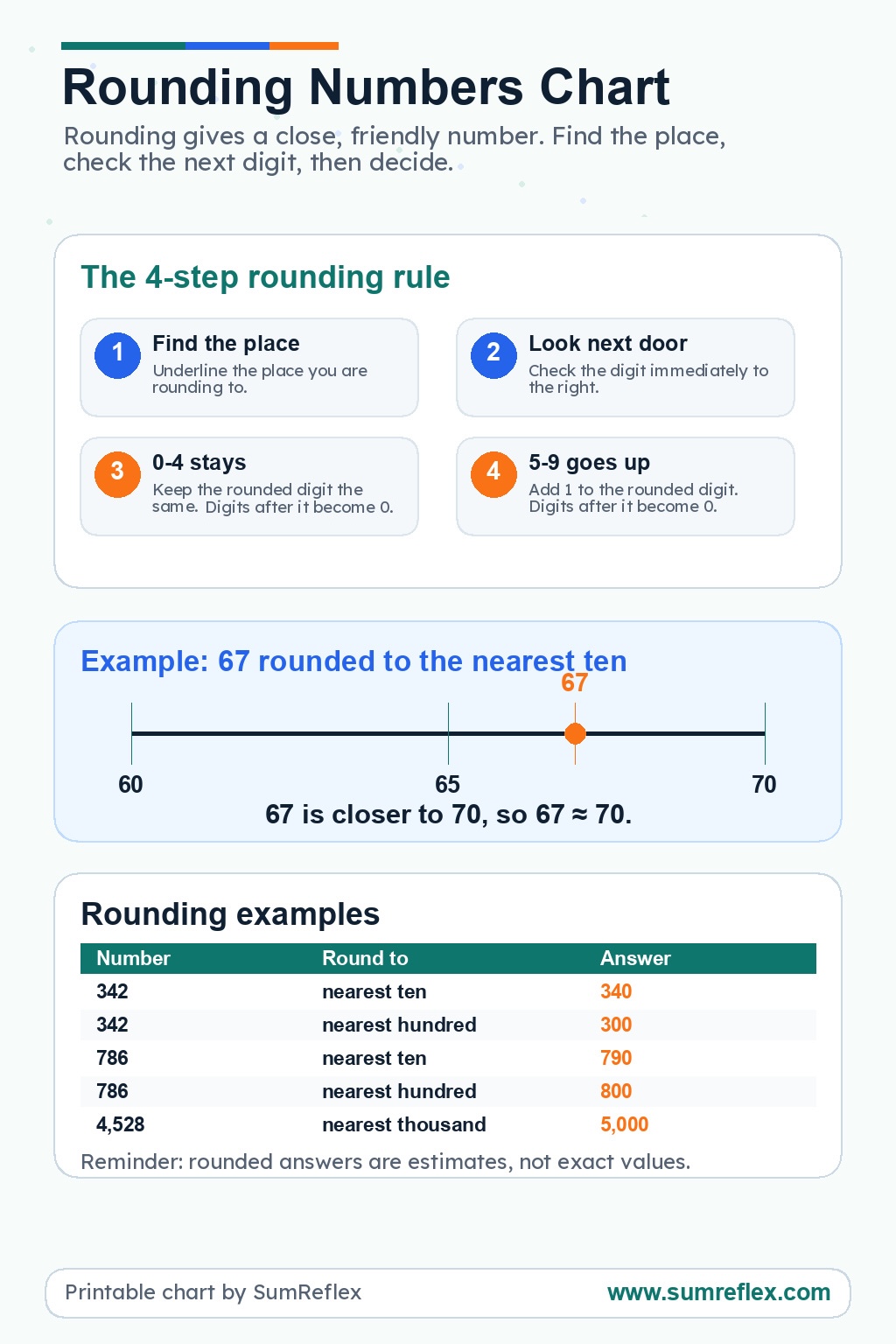
Rounding whole numbers helps students replace exact values with nearby values that are easier to use. This supports mental math, estimation, checking answers, and reading large numbers without getting lost in every digit.
Why notation matters
A number can be written in more than one way. Students may see standard numerals, word form, expanded form, Roman numerals, fractions, decimals, and symbols. Reading the notation carefully helps prevent simple mistakes.
Divisibility rules make checking faster
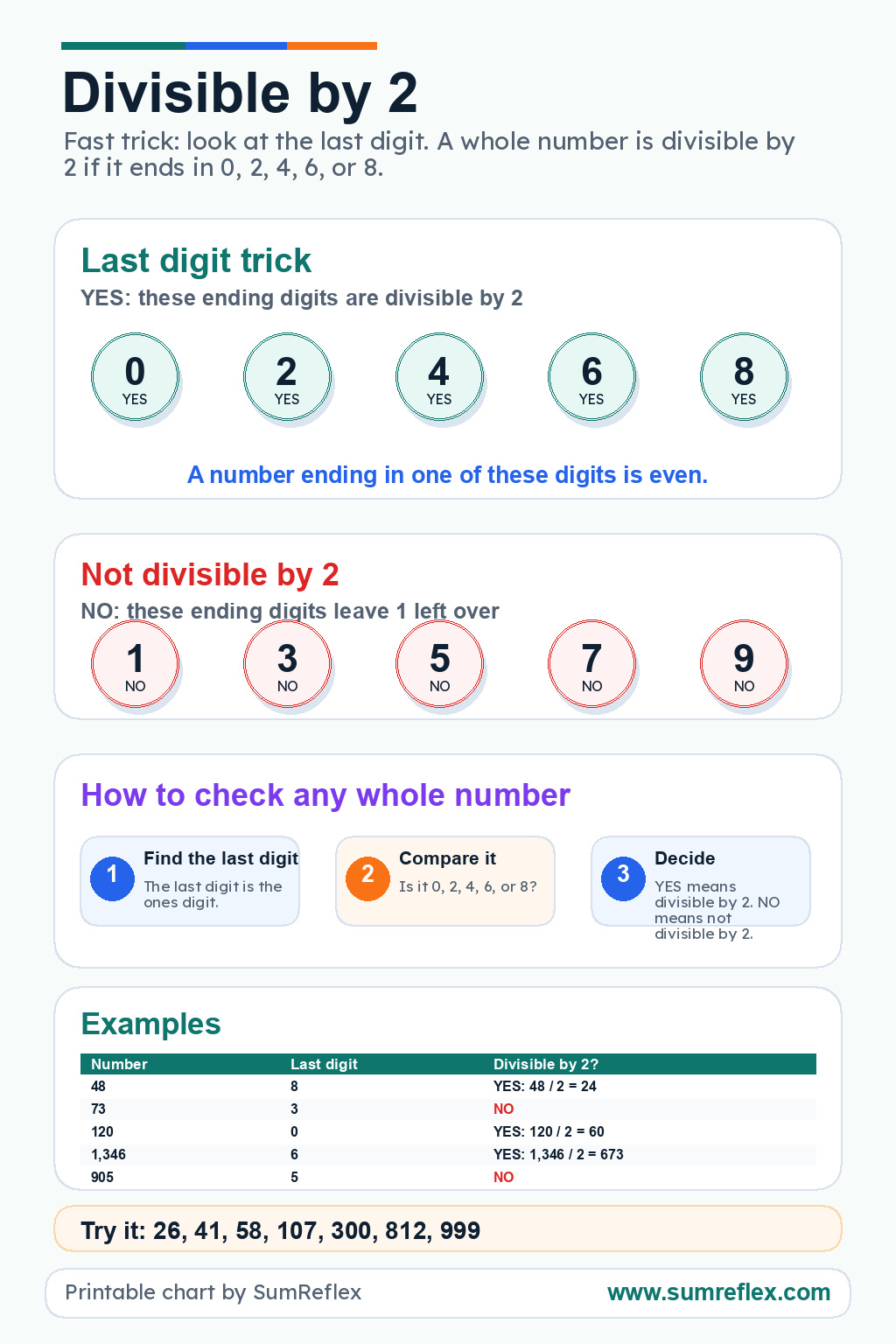
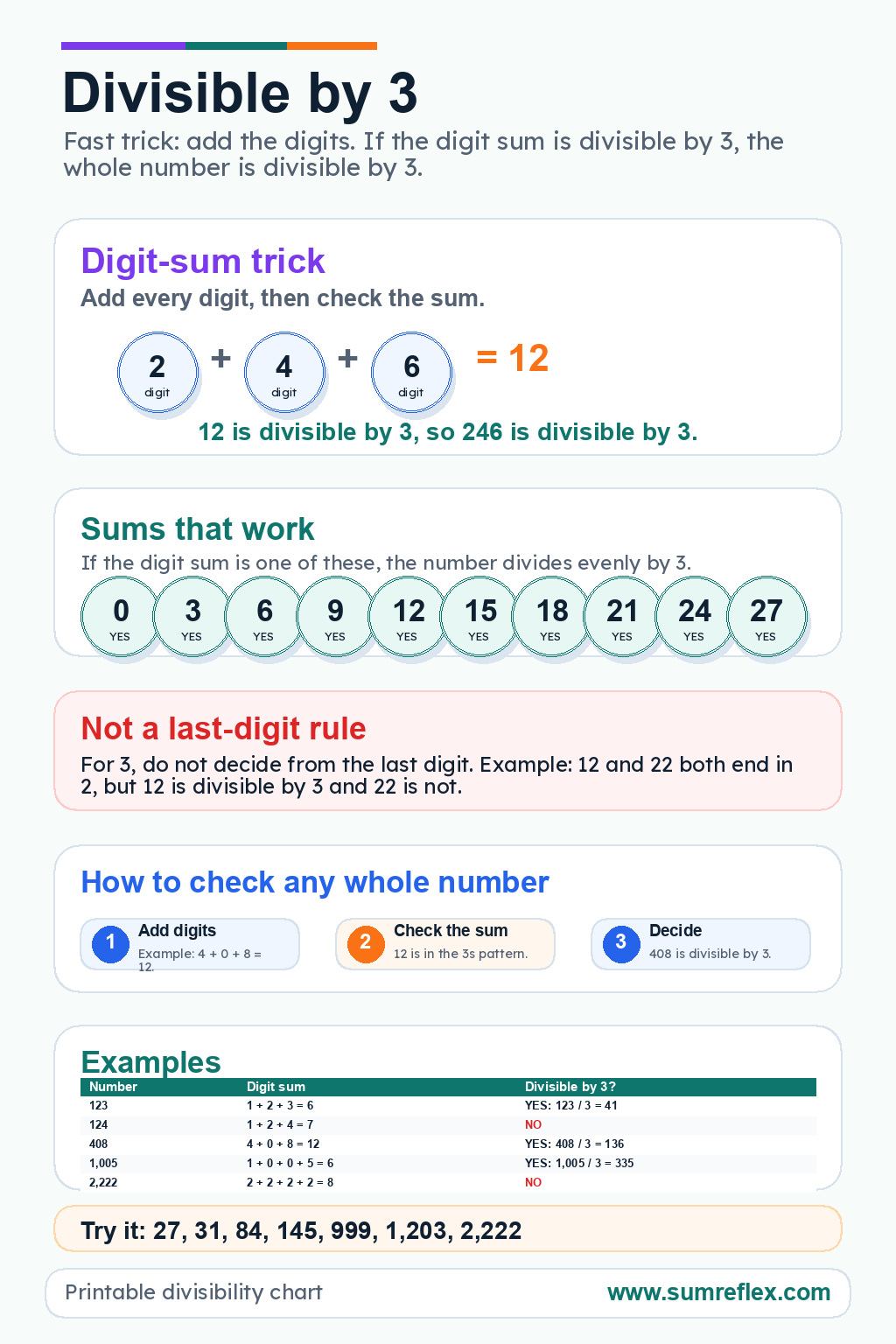
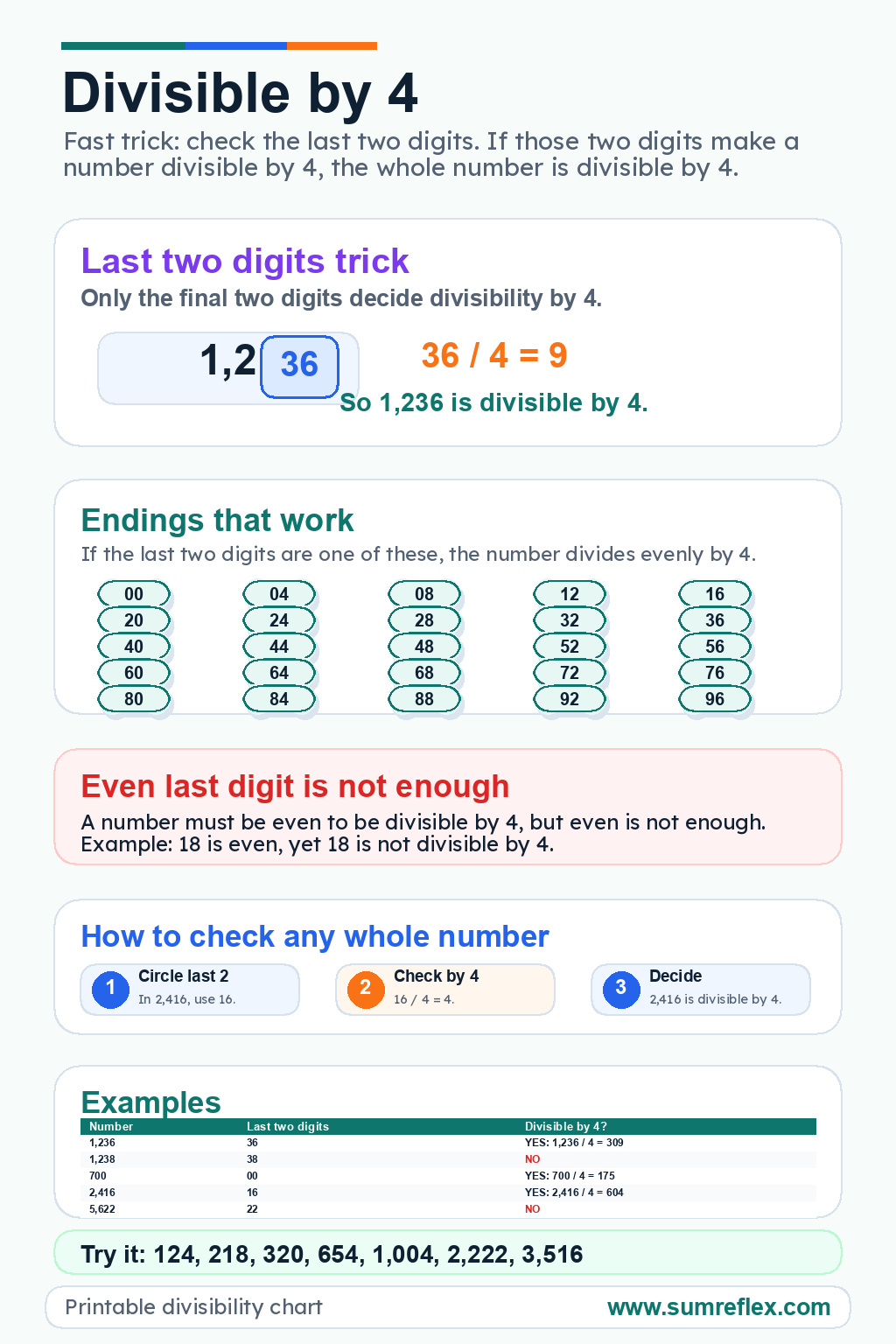
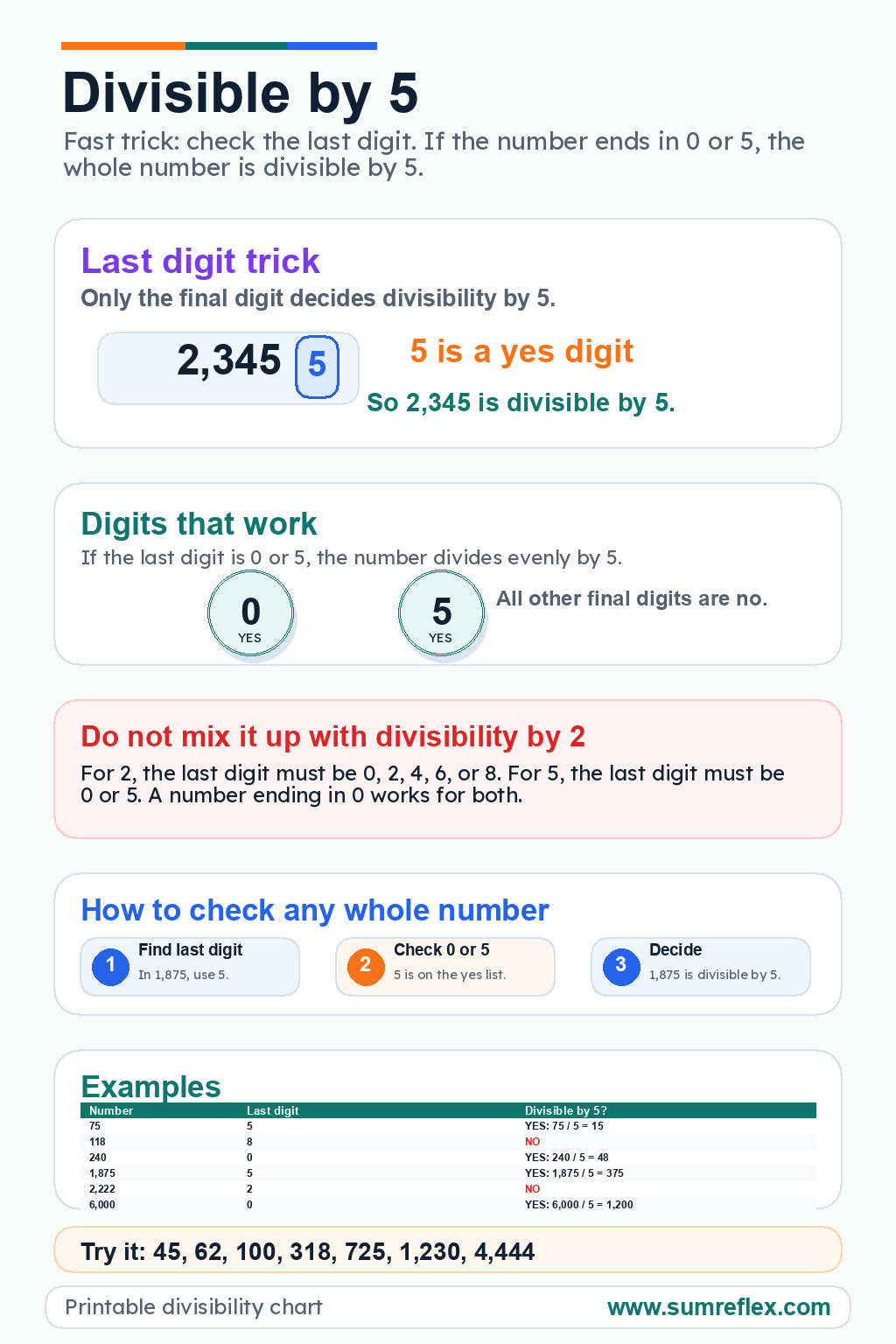
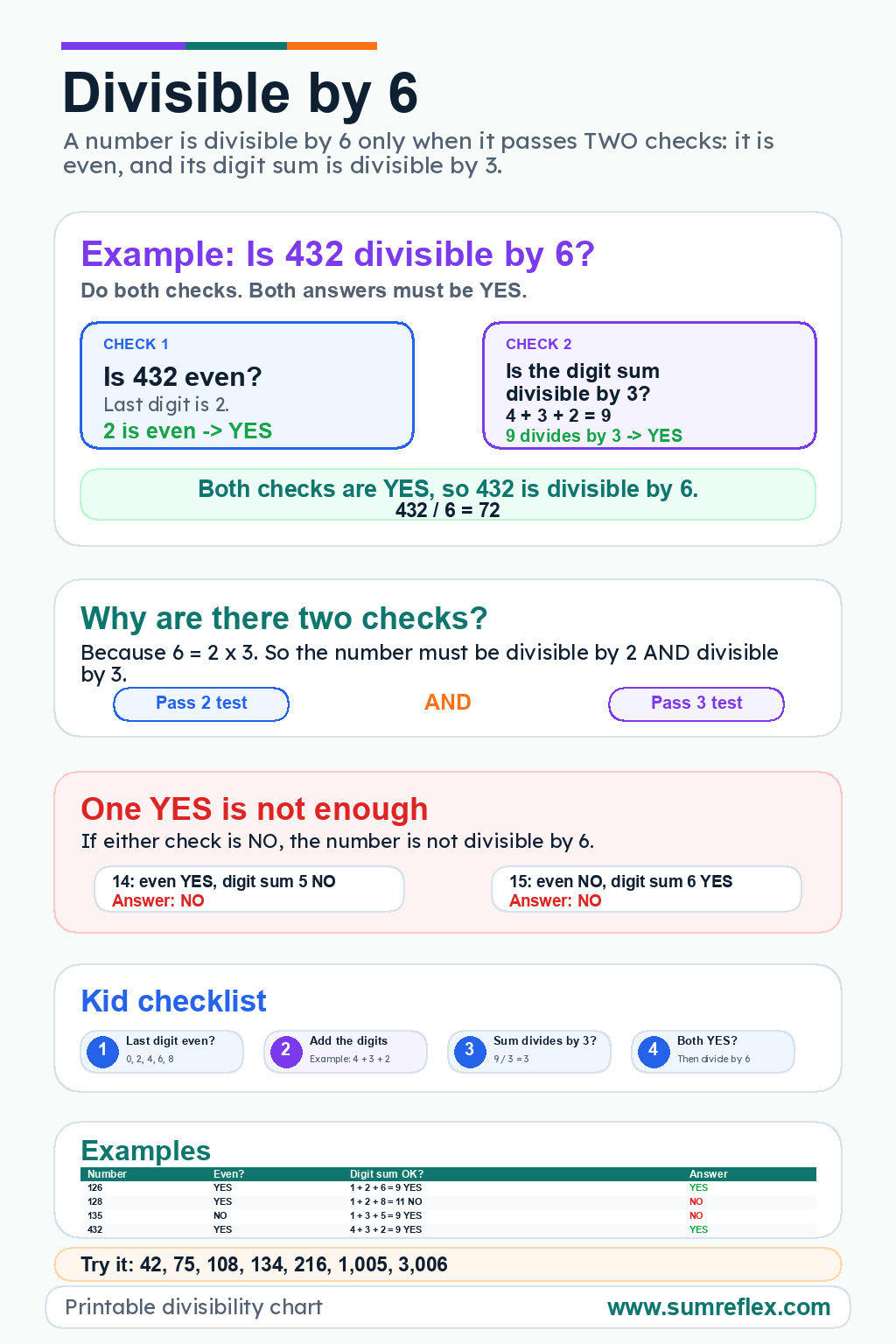
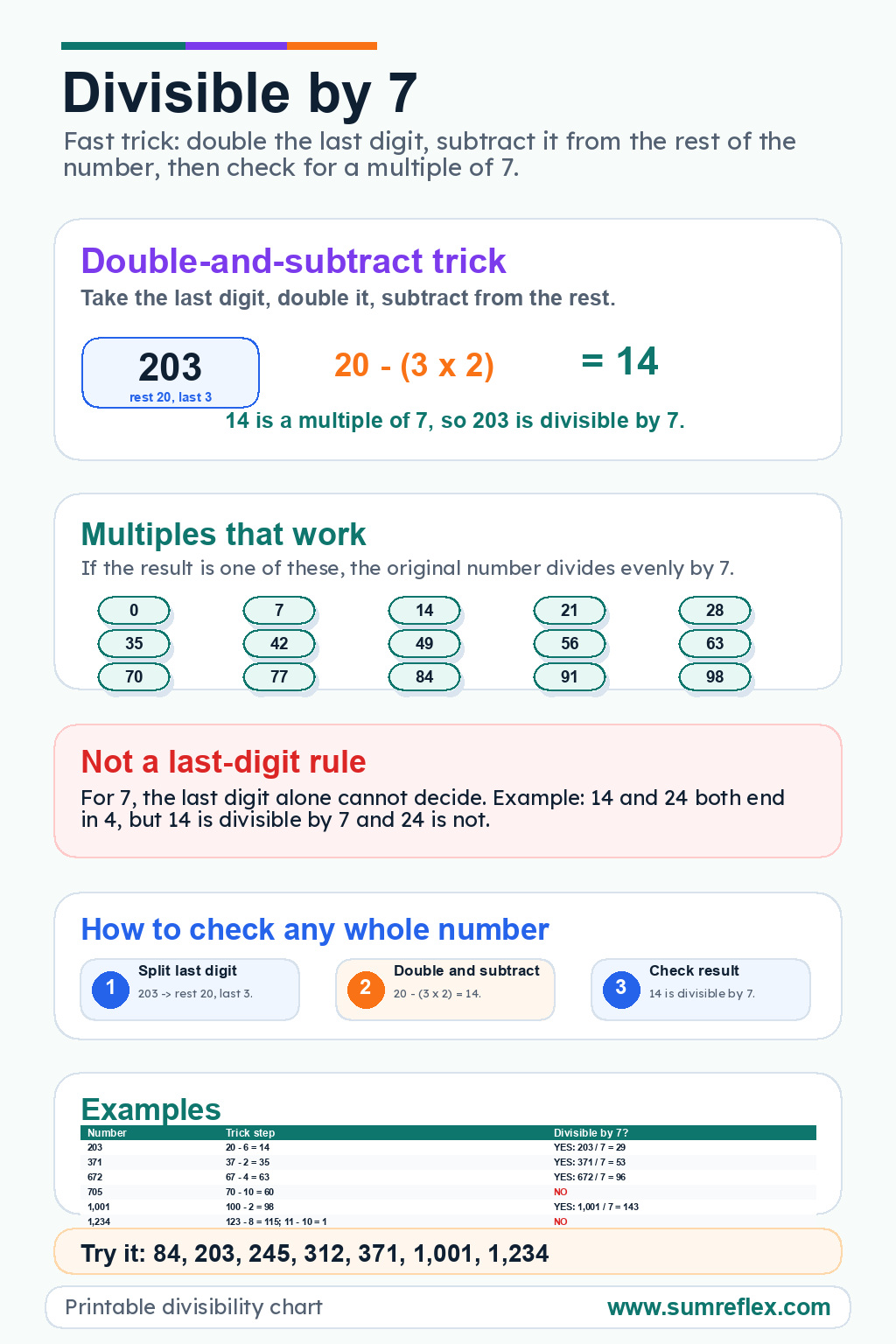
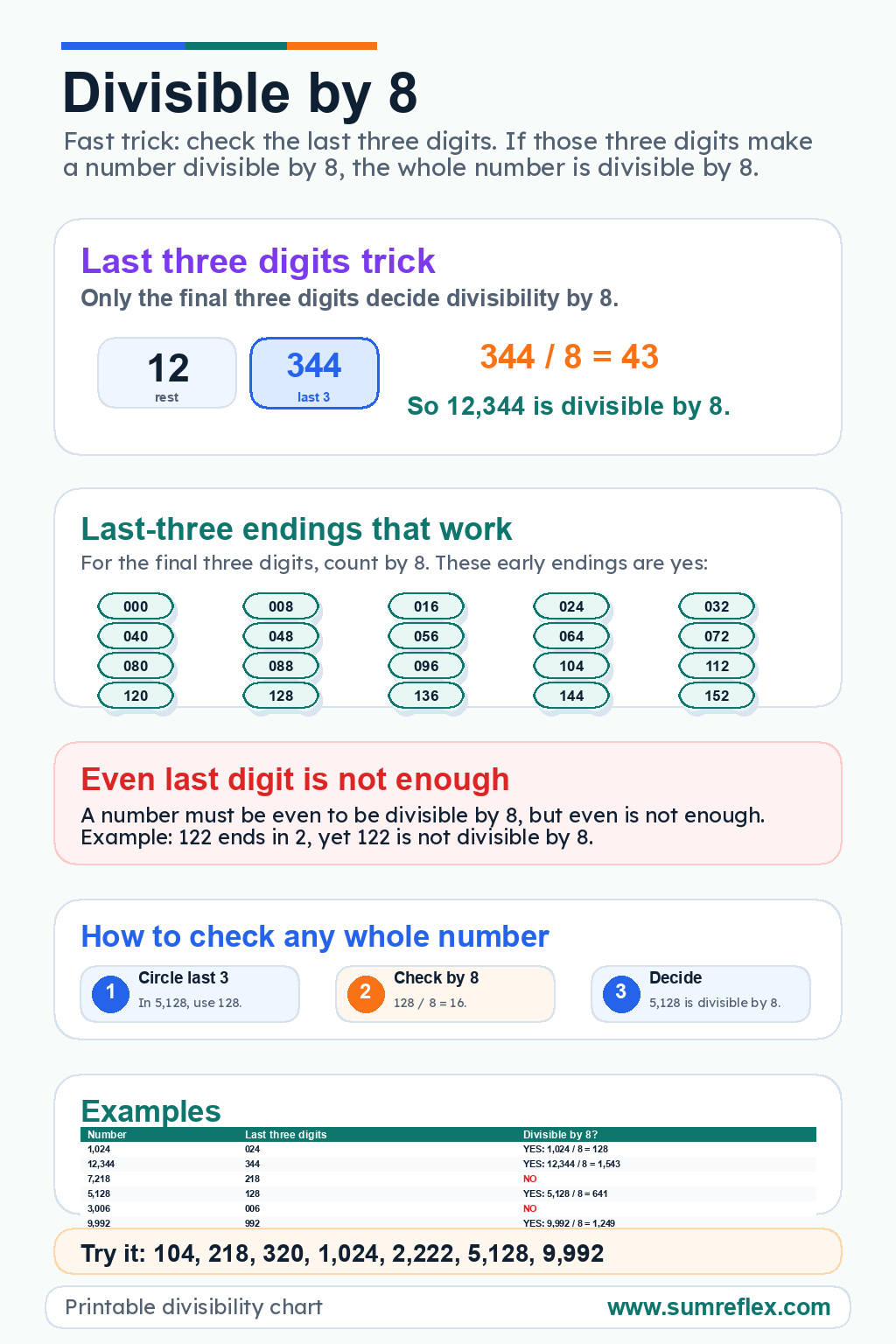
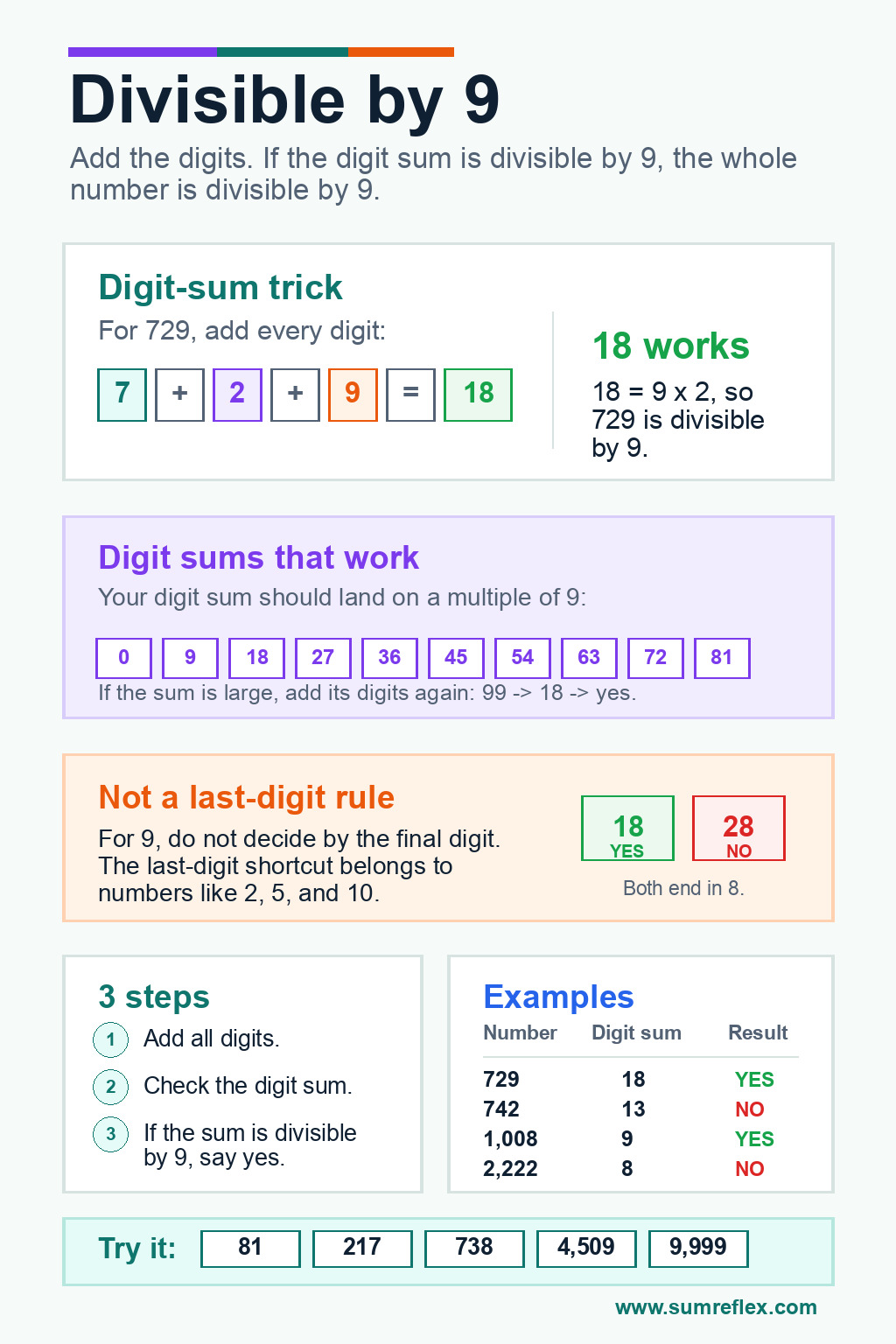
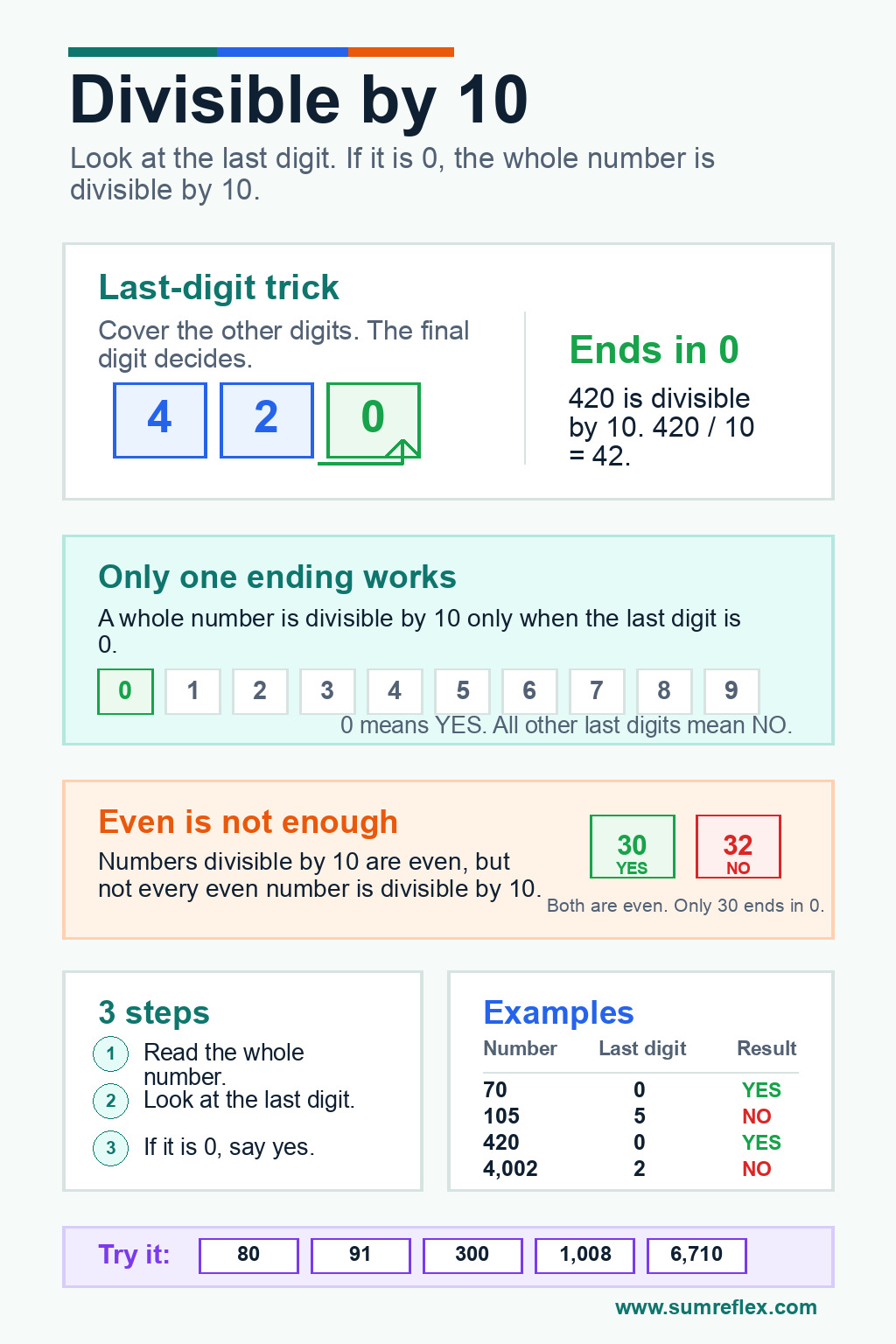
A divisibility rule is a shortcut for deciding whether a number divides evenly. For example, the rule for 2 checks even endings, the rule for 3 uses the sum of all digits, the rule for 4 checks the last two digits, the rule for 5 checks whether the last digit is 0 or 5, the rule for 6 combines the rules for 2 and 3, the rule for 7 uses a double-and-subtract trick, the rule for 8 checks the last three digits, the rule for 9 uses a digit sum that is divisible by 9, and the rule for 10 checks for a final 0.
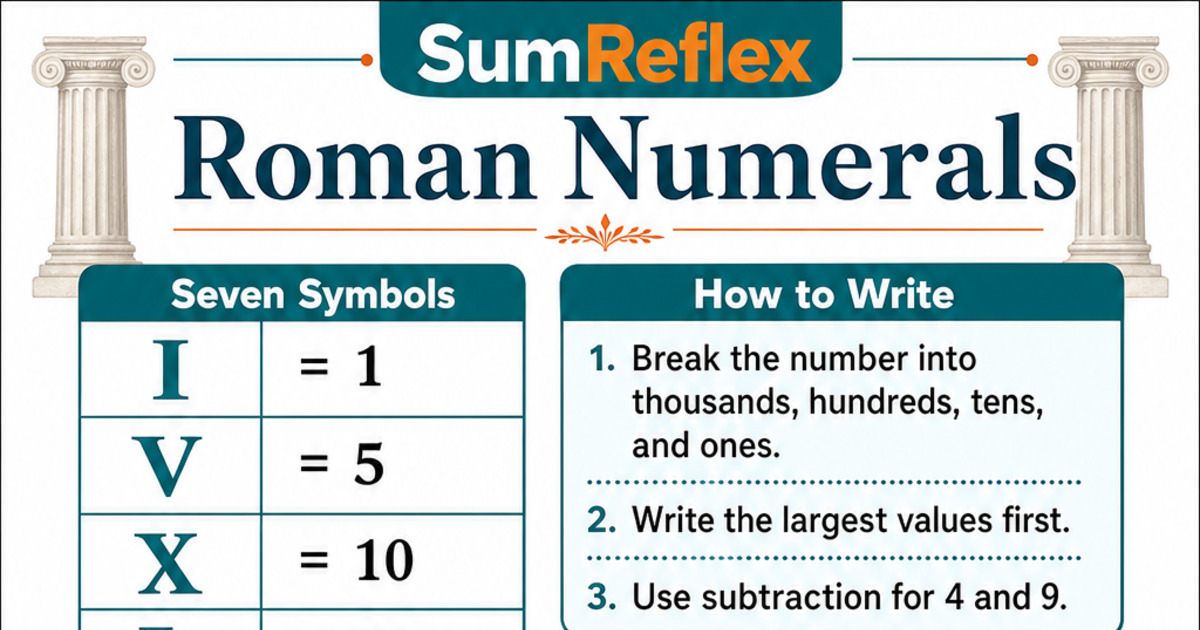
Roman numerals as a number system
Roman numerals are a useful number sense topic because they show that numbers do not have to be written with place-value digits. Students learn to read symbols, combine values, and follow rules for order and subtraction.