



What students usually build in Grade 4 math
Grade 4 is often the year when math moves from quick facts into deeper reasoning. Students start connecting multiplication, division, fractions, measurement, geometry, and word problems with more precise language and multi-step thinking.
Why visual explanations matter at this level
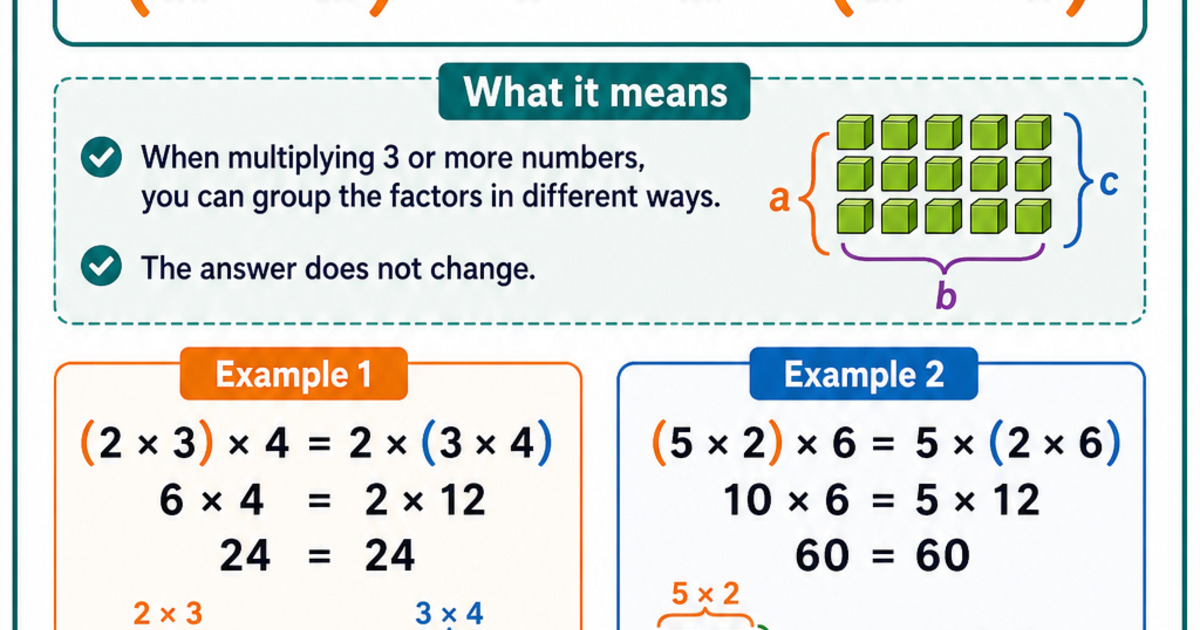
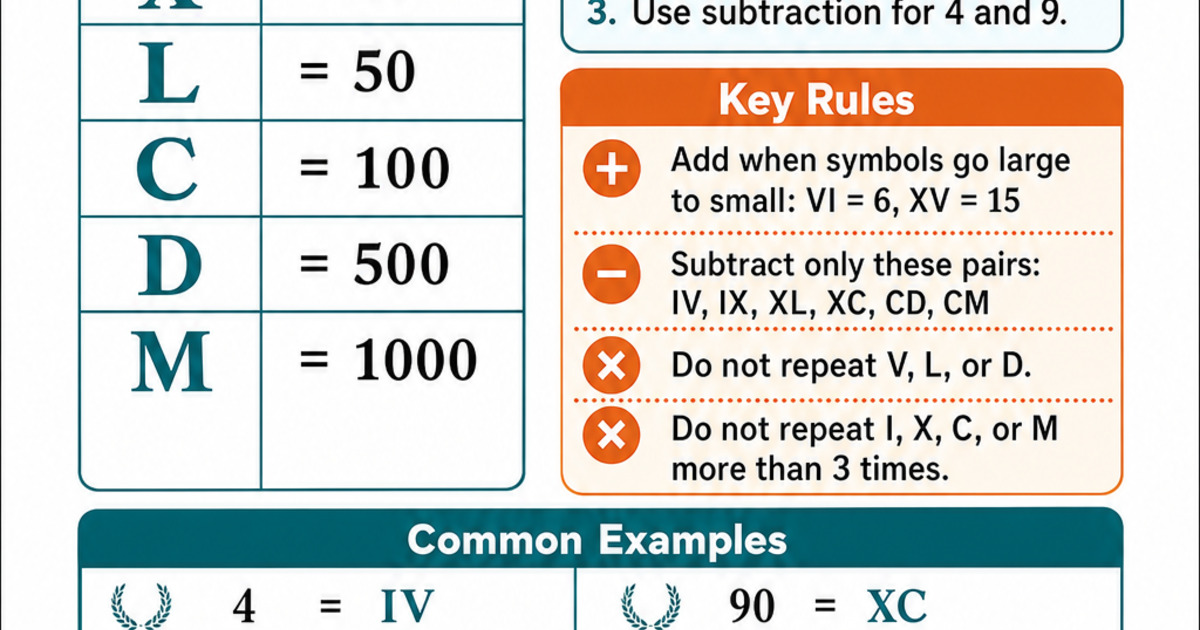
Fourth grade learners are ready for stronger math vocabulary, but they still benefit from seeing the idea. Diagrams, number models, angle drawings, and structured examples make abstract terms easier to understand and remember.
How these lessons support independent practice
Each Grade 4 lesson is written so a learner can read the explanation, follow a worked example, and then try a short practice activity. The goal is not only to get an answer, but to understand the reason behind the method.
A grade page for parents and teachers too
Parents and teachers can use this page as a starting point when choosing a topic for review. The topic folders keep related skills together, which makes it easier to find a lesson before assigning worksheets or extra practice.
Current Grade 4 topic path
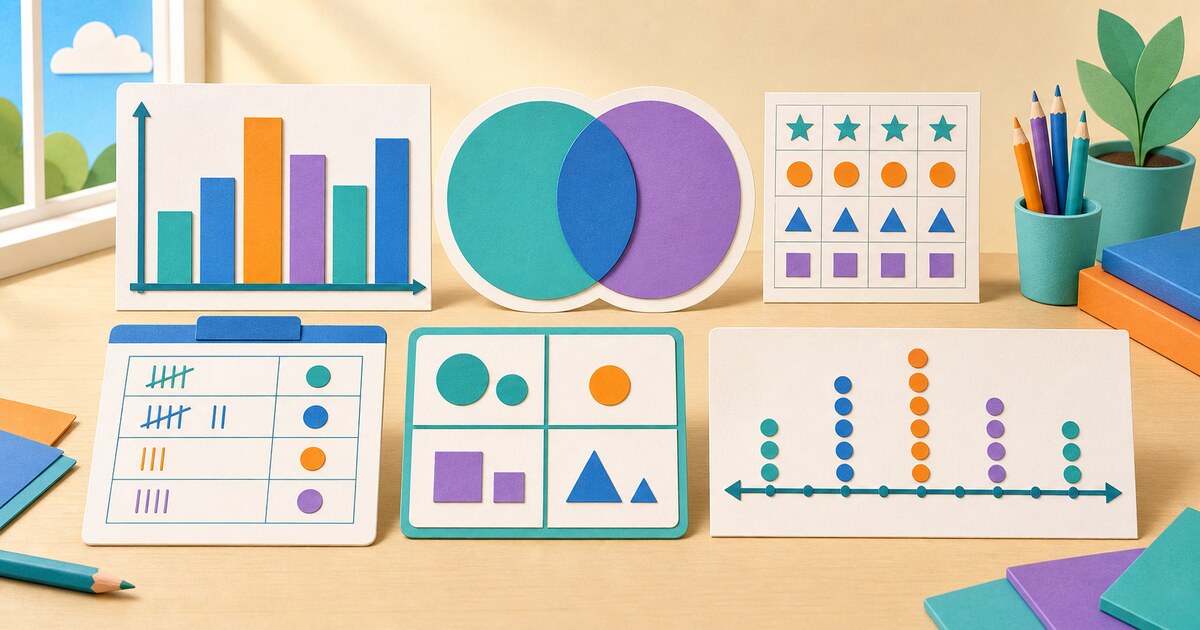
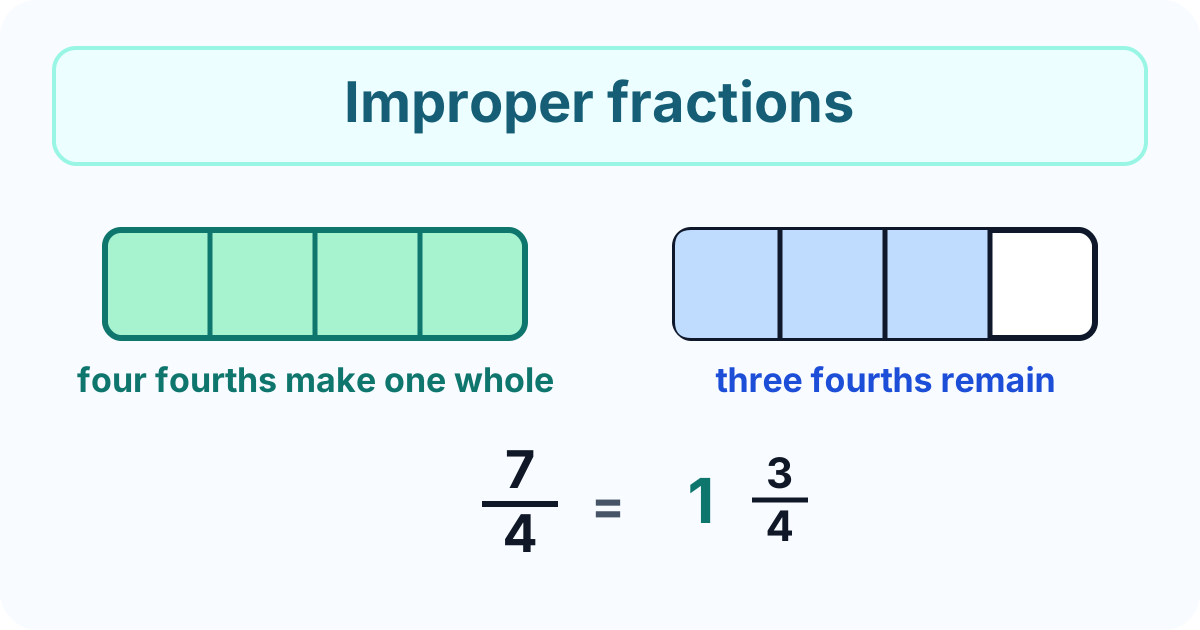
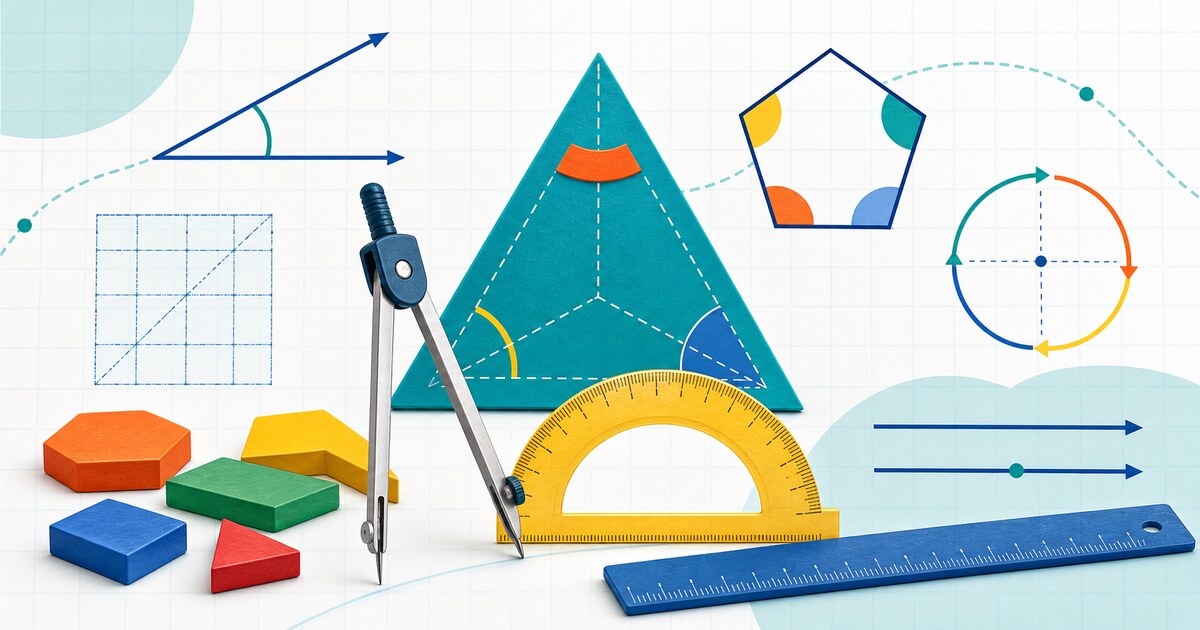
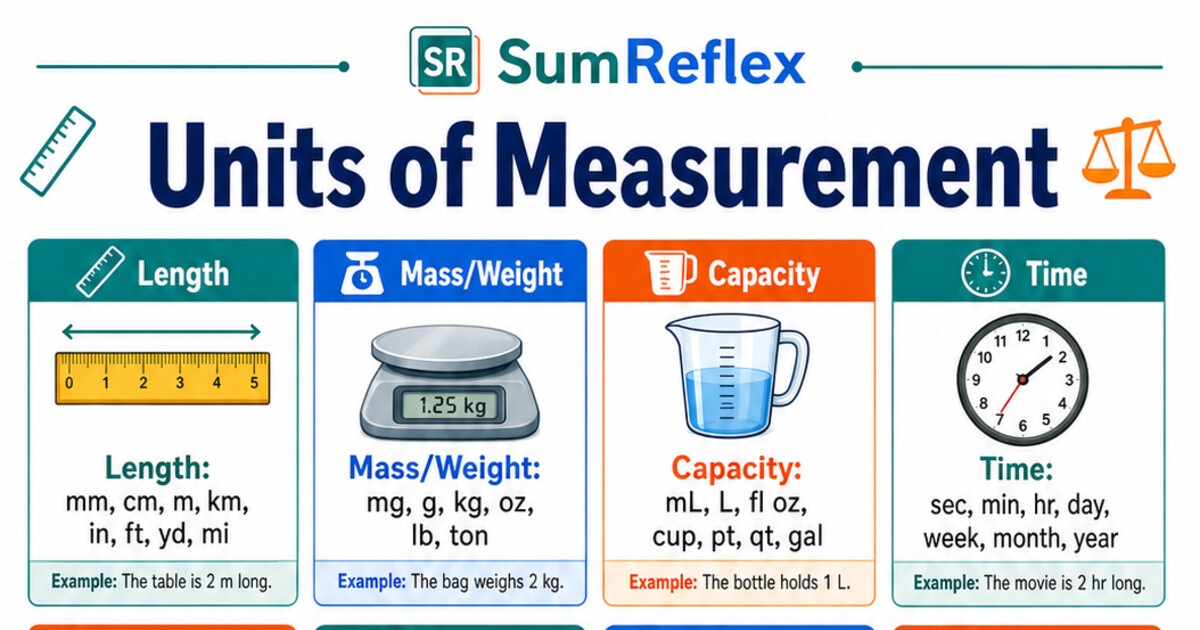
The current Grade 4 topic paths include Data Display and Interpretation, Fractions, Geometry, Measurement, Number Sense, and Multiplication. Data lessons cover bar graphs, Venn diagrams, pictograms or pictographs, frequency tables, Carroll diagrams, dot plots, and choosing the best display. The other topic paths build visual fraction, shape, measurement, number, and multiplication reasoning.
Future topics can stay cleanly separated
As more Grade 4 topics are added, each topic folder can have its own image, title, learning focus, and explanation. This keeps the grade library organized without repeating the same category description across multiple pages.
Best way to use this grade category
Start by opening the topic that matches the current classroom unit or home practice need. Read the lesson first, use the diagrams to explain the concept, and then follow with practice problems or printable worksheets.