


What Grade 8 geometry covers
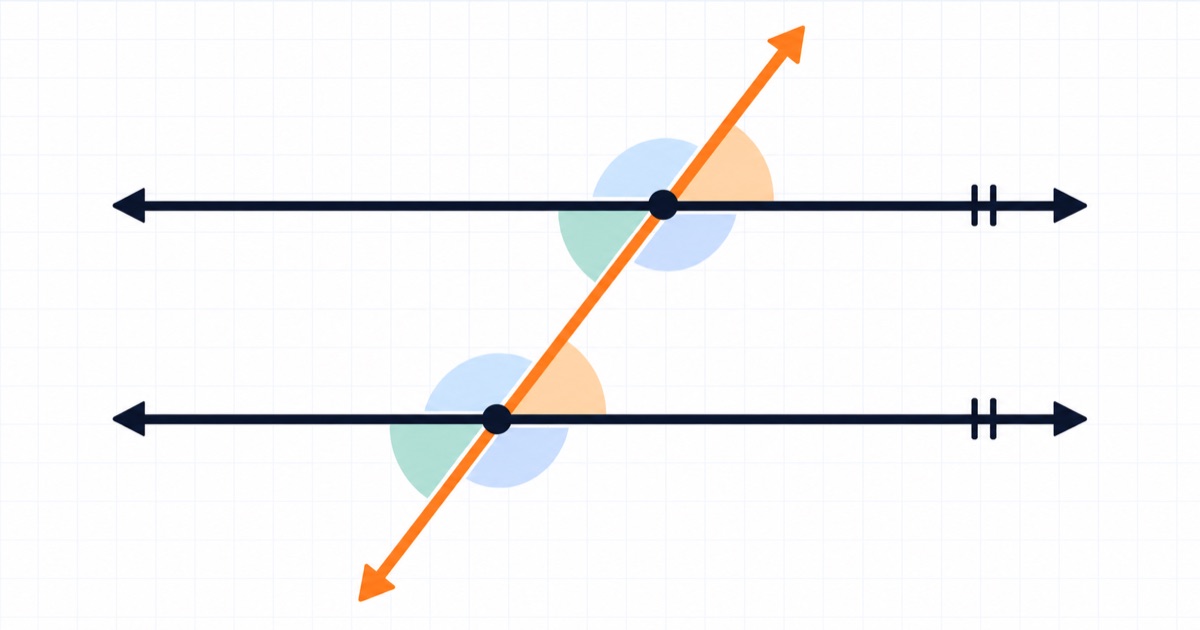
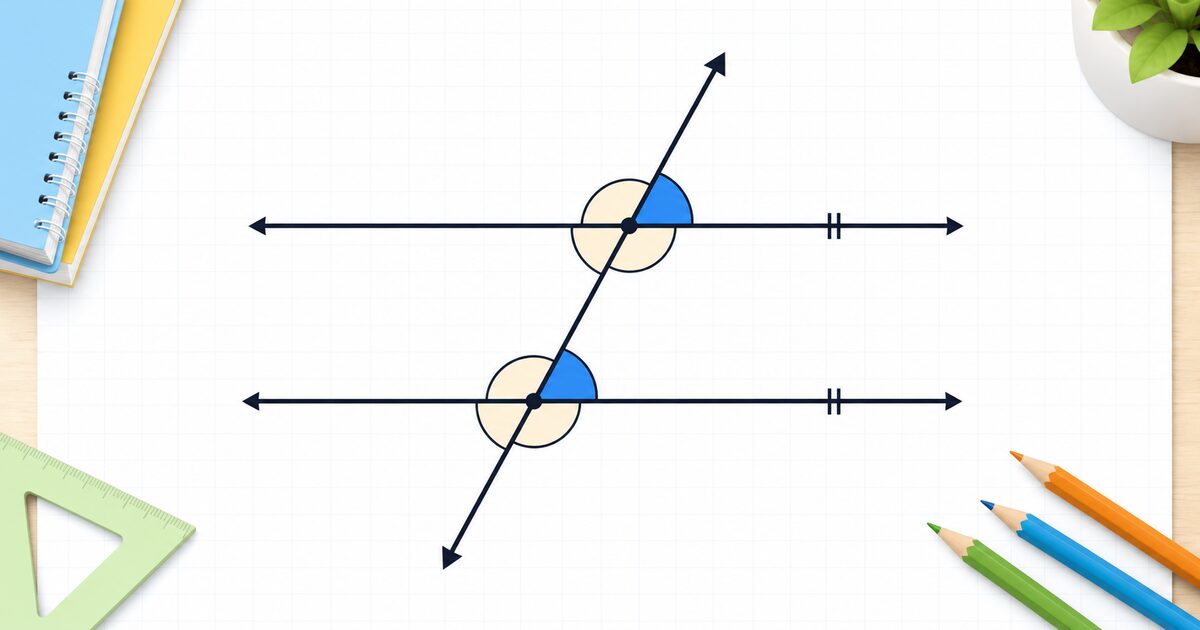
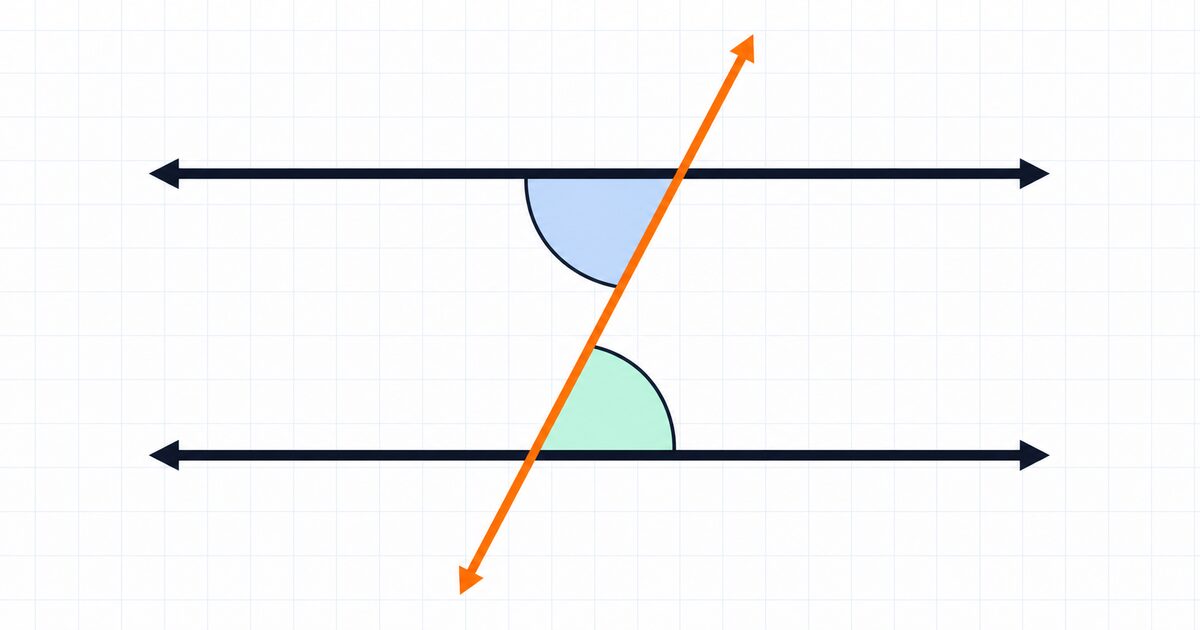
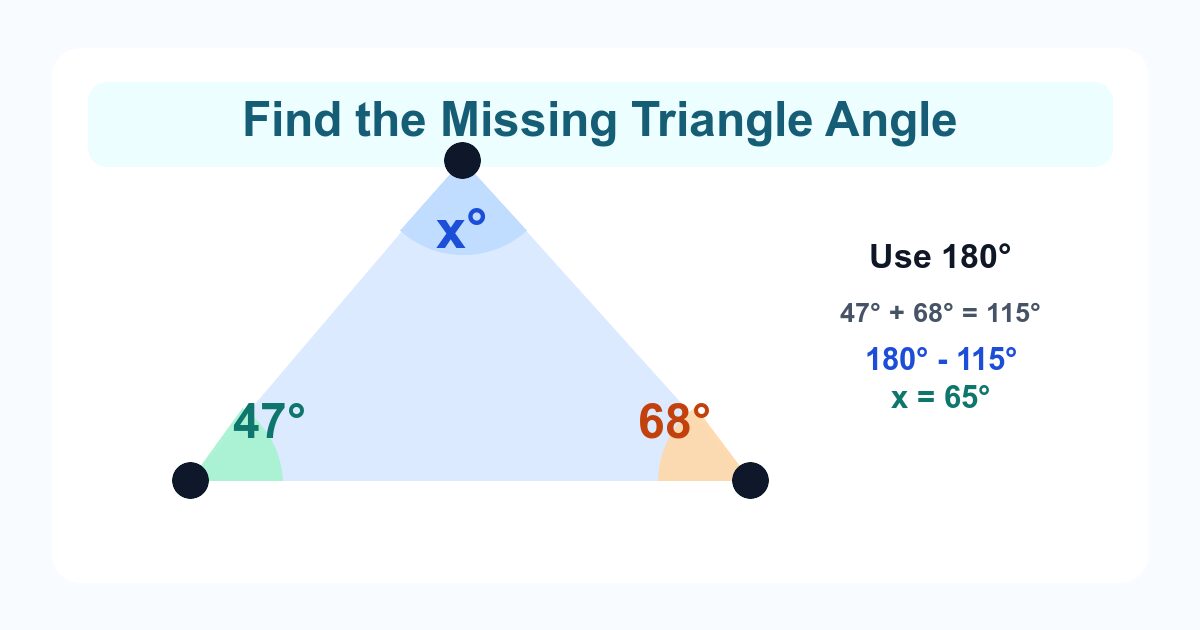
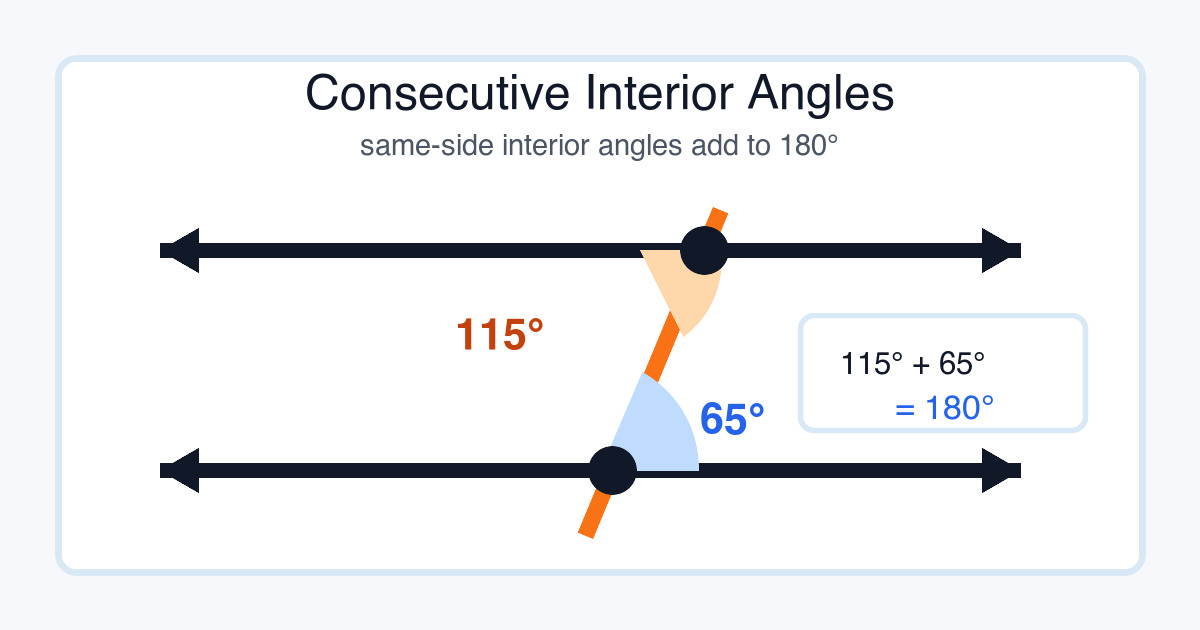
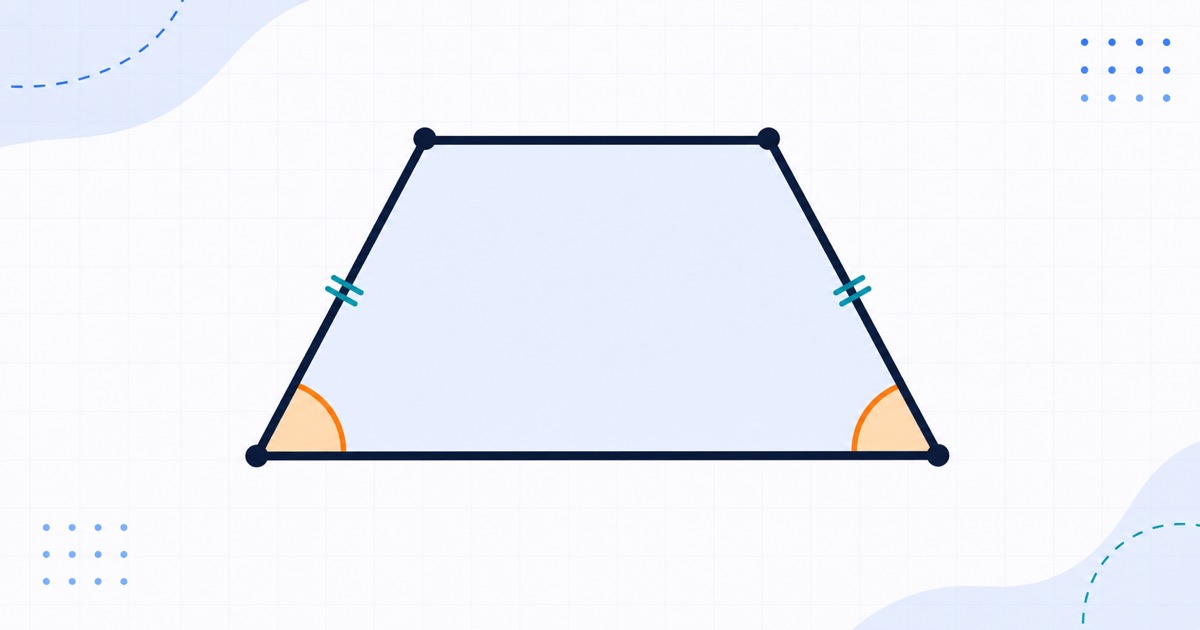
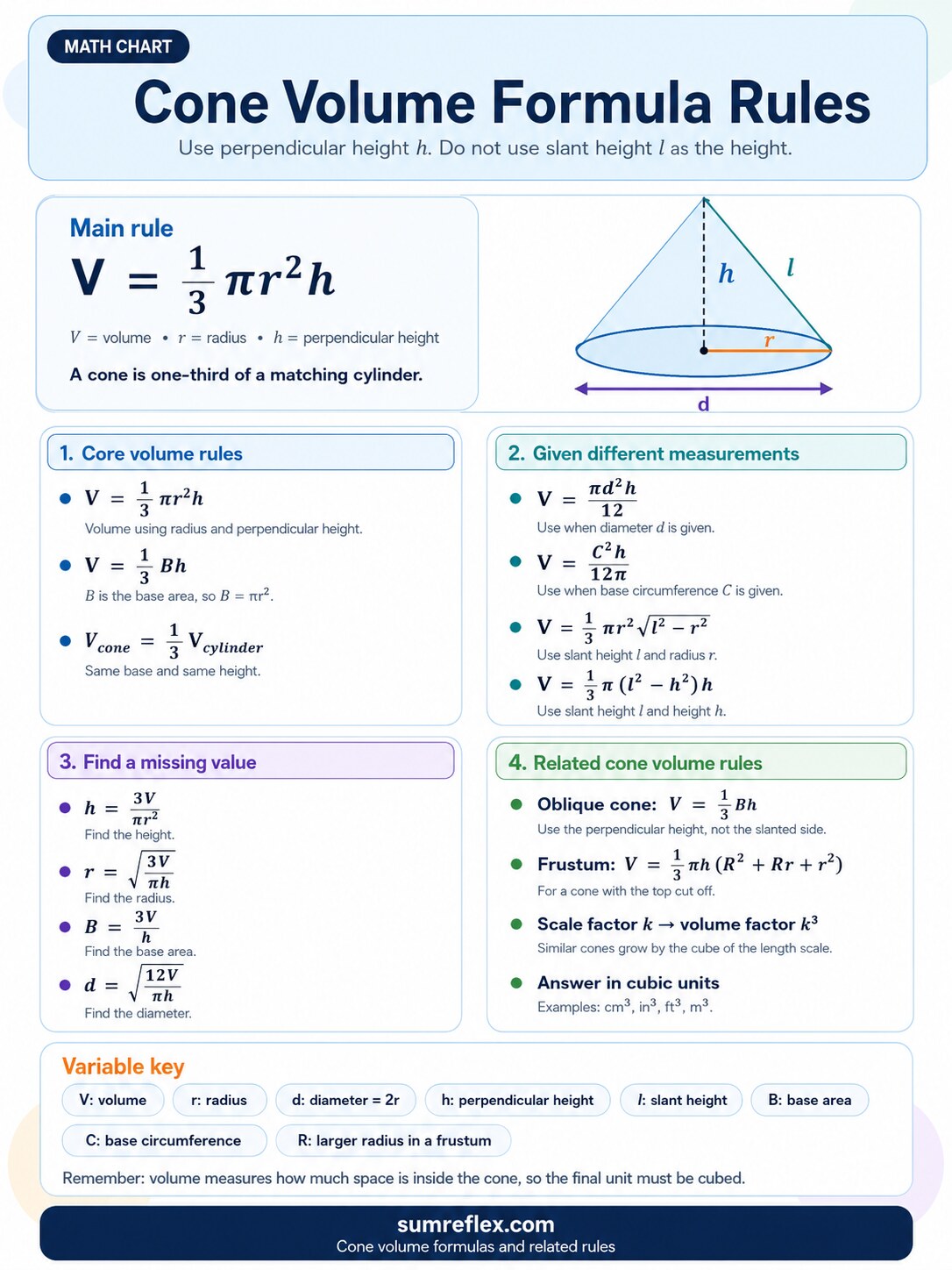
Grade 8 geometry often uses parallel lines, transversals, triangles, quadrilaterals, and solid figures to build careful diagram reading. Students learn how matching positions, Z shapes, same-side interior pairs, triangle angle sums, missing triangle angles, obtuse triangles, isosceles trapeziums, and cone volume problems can tell them which rule to use.
Parallel lines make angle patterns
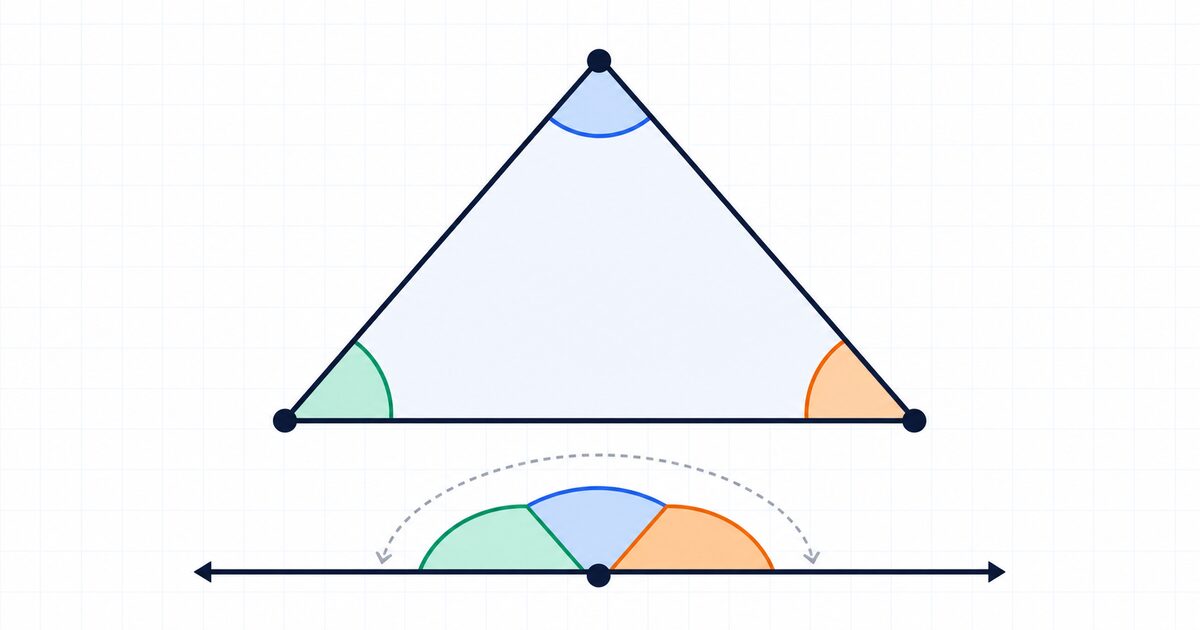
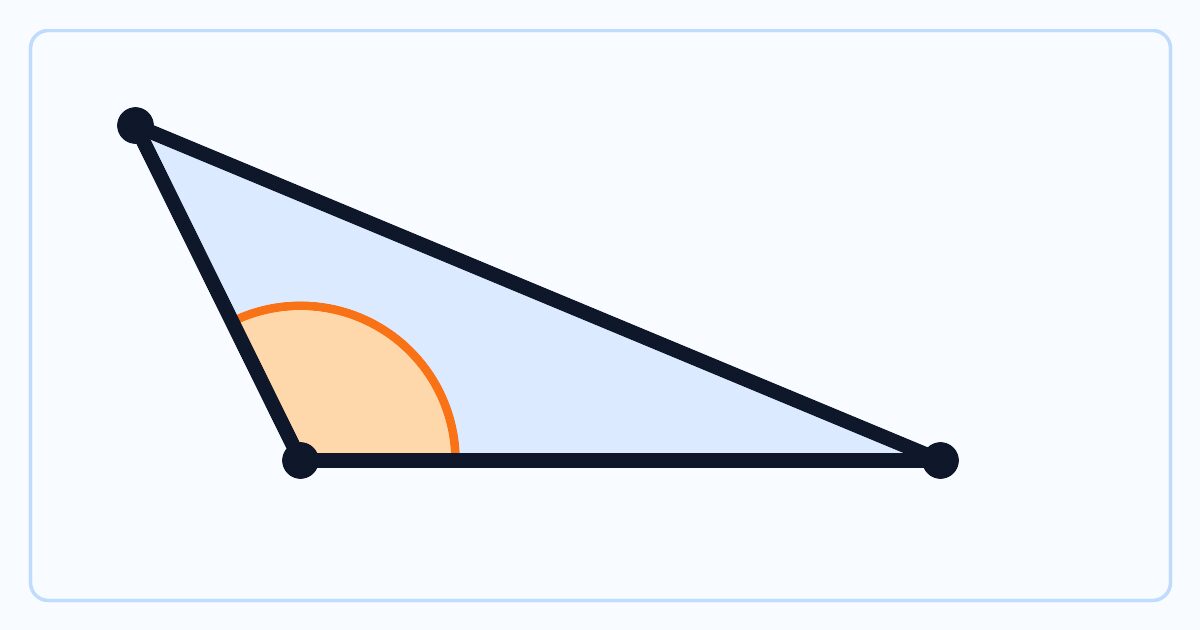
When a transversal crosses two parallel lines, it creates repeated angle positions and same-side interior pairs. Grade 8 geometry also uses the 180° rule for angles in a triangle, including triangles with one obtuse angle, and applies measurement formulas to solids such as cones.
Look for the pattern in the diagram
Study the diagram first, name the relationship, then use the rule. In angle work that may mean finding a matching angle position; in volume work it may mean identifying radius, diameter, and perpendicular height before substituting values.