


What Grade 4 geometry covers
Grade 4 geometry introduces students to the language of shapes, solid figures, degrees, angles, lines, turns, and measurements. Students also compare line relationships such as parallel lines and intersecting lines. The topic connects visual reasoning with precise vocabulary, so students learn to describe what they see and explain how they know it.
Why diagrams are central to geometry
Geometry is much easier when a student can point to the ray, angle, side, vertex, or turn being discussed. These lessons use diagrams and SVG visuals so the important part of each example is visible on the page.
Angles connect measurement and movement
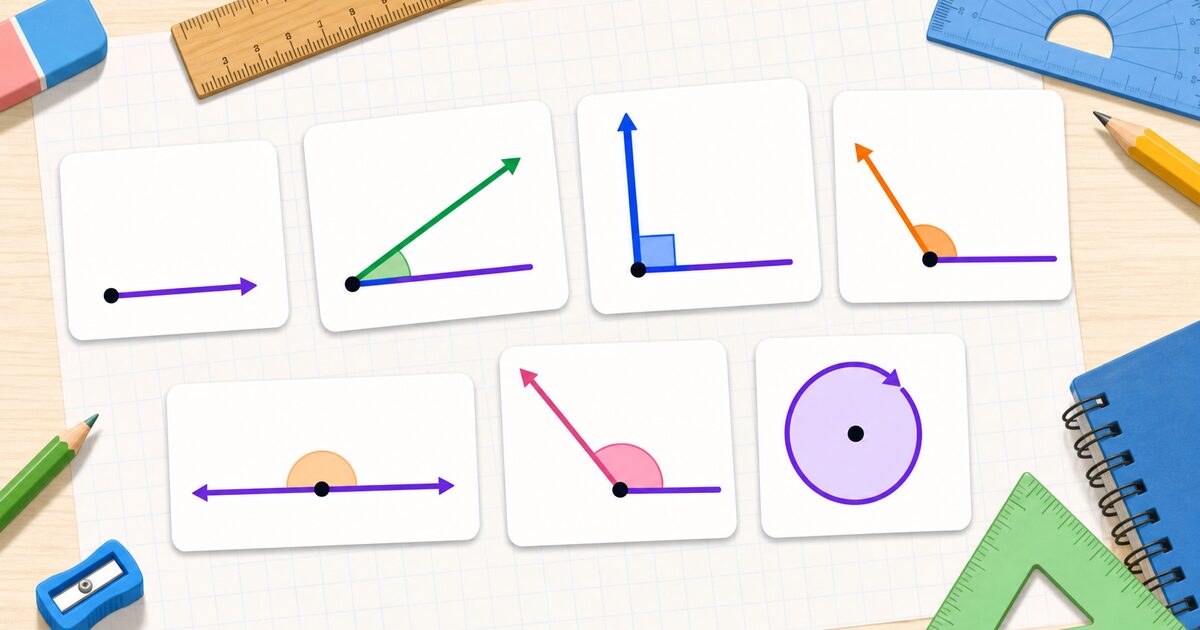
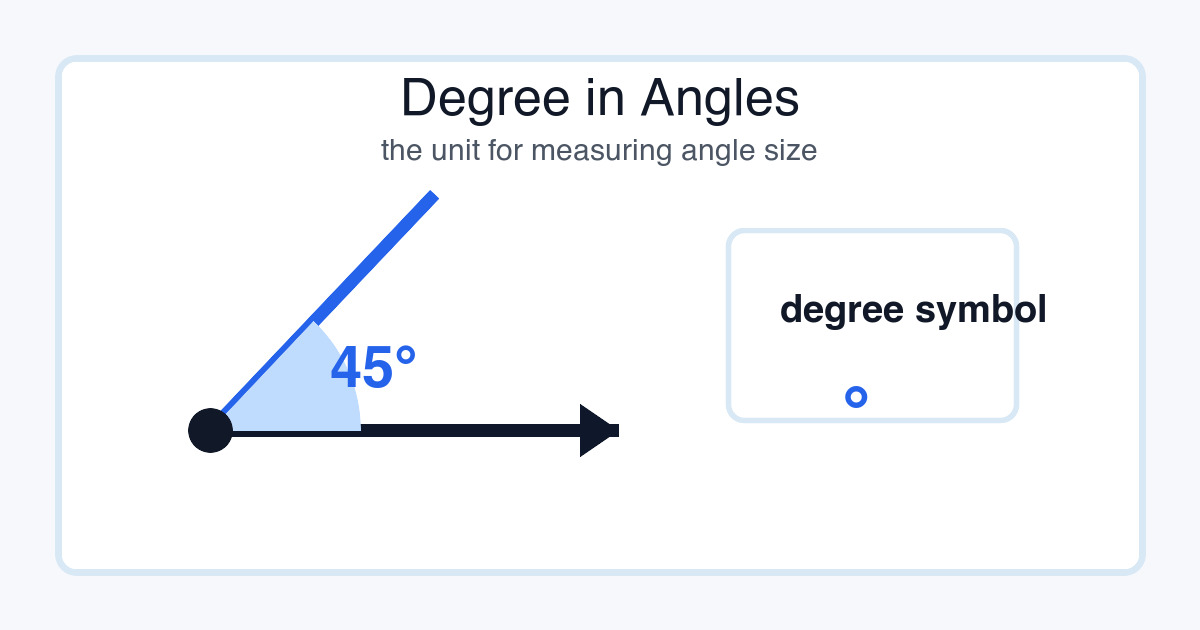
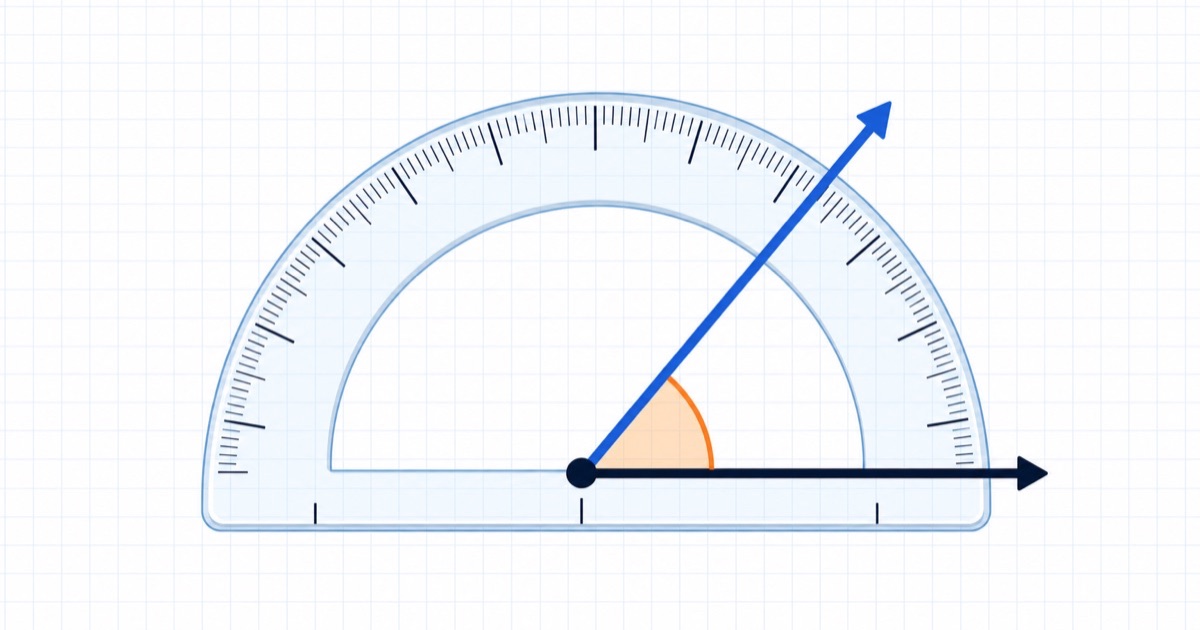
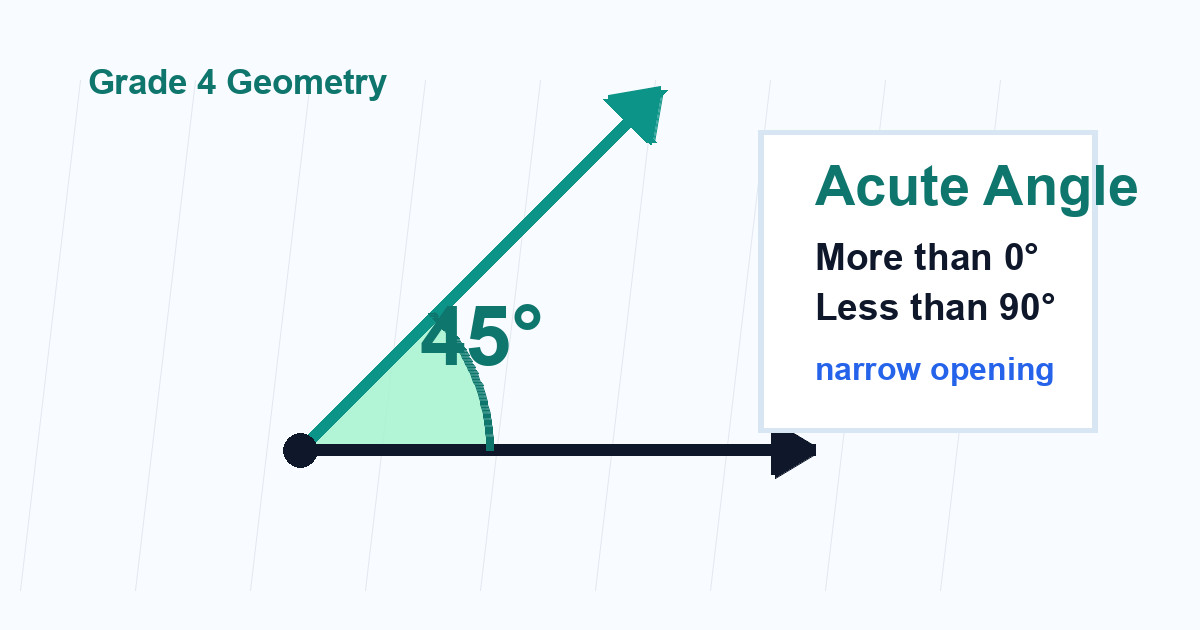
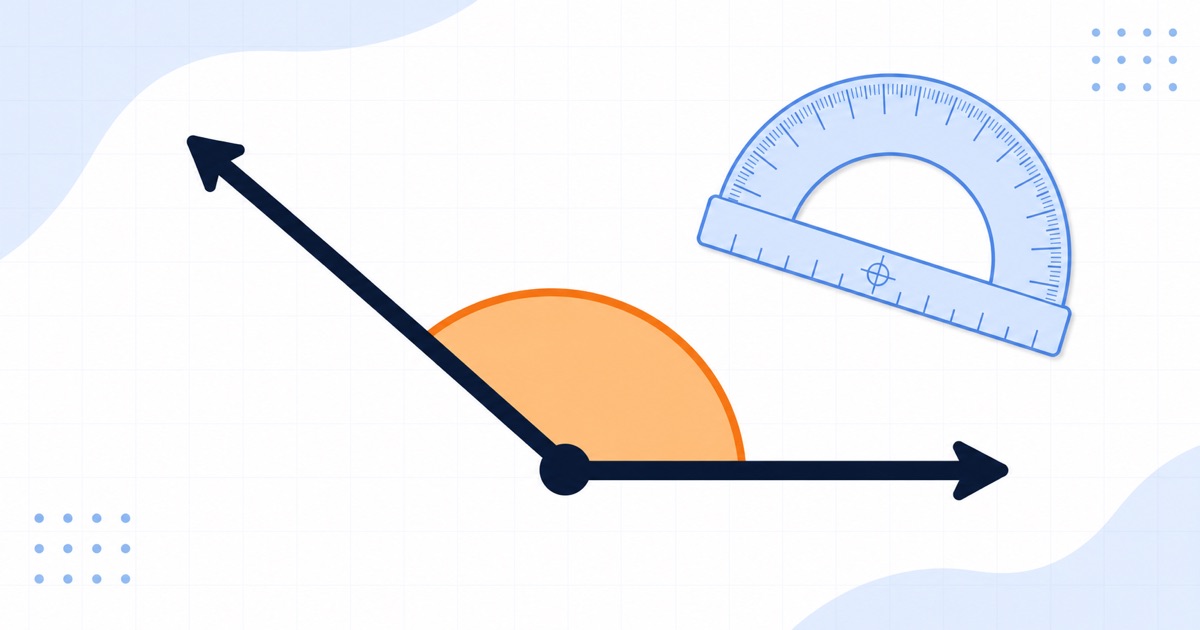
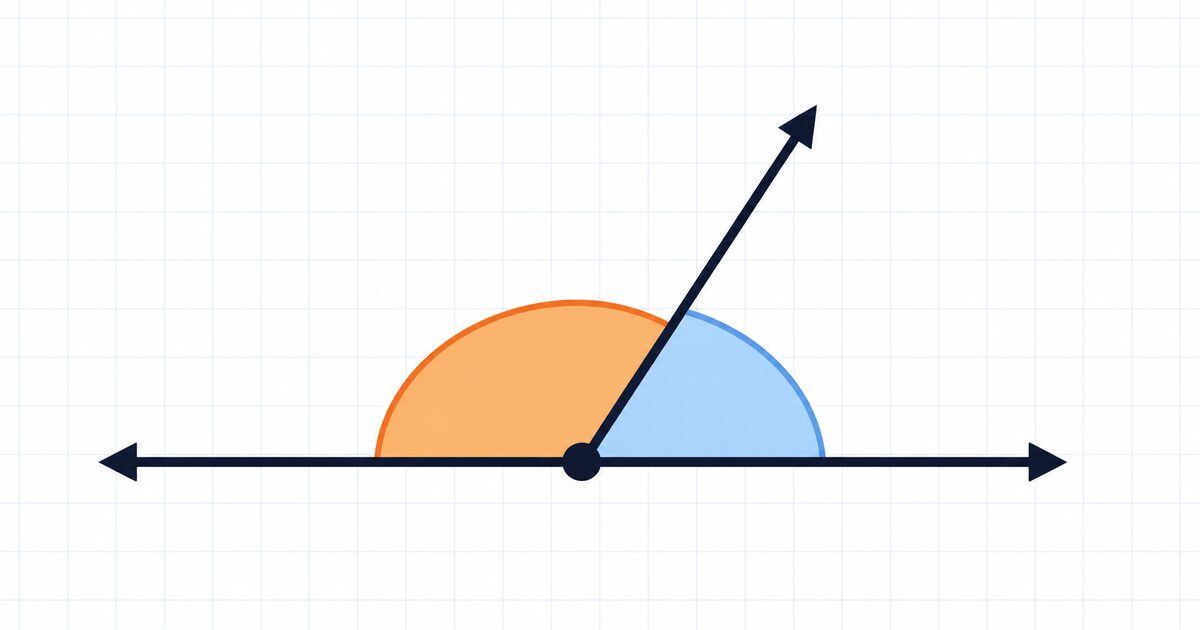
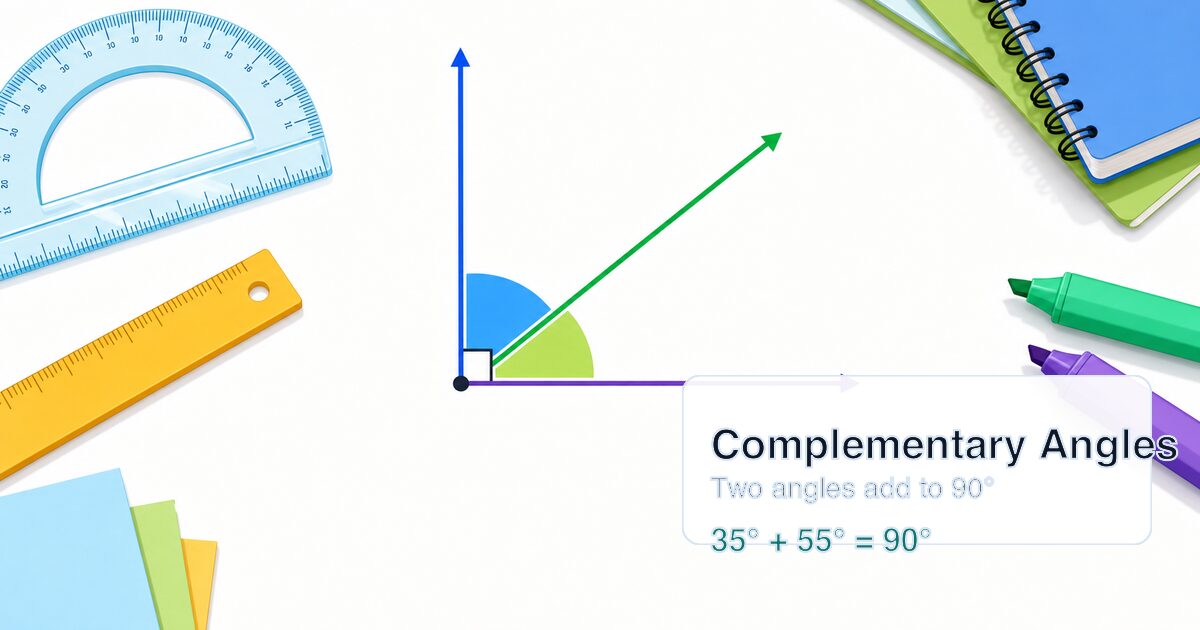
Angles are not just drawings of two rays. A degree measure tells how wide the angle opens, and a protractor helps students measure that opening. Start with degree measure, then practice measuring angles, then move into the types of angles overview, acute angles, right angles, obtuse angles, complementary angles, supplementary angles, reflex angles, and full rotations.
Shape vocabulary becomes more exact
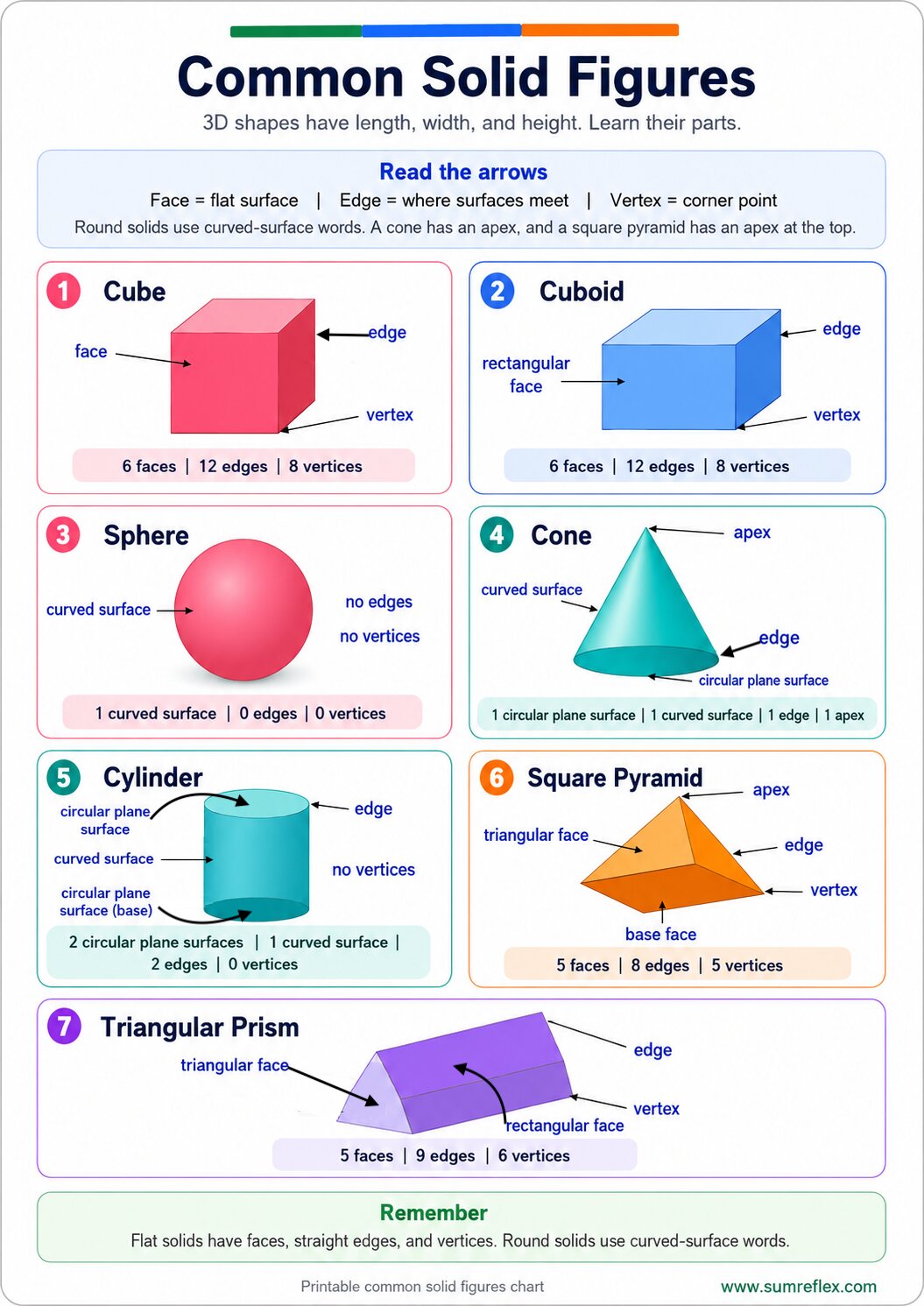
By Grade 4, students often move beyond naming basic shapes. They begin comparing sides, corners, parallel lines, perpendicular lines, symmetry, angle sizes, and parts of solid figures such as faces, edges, and vertices. Clear topic pages help keep those ideas from blending together.
Angle lessons connect totals and turns
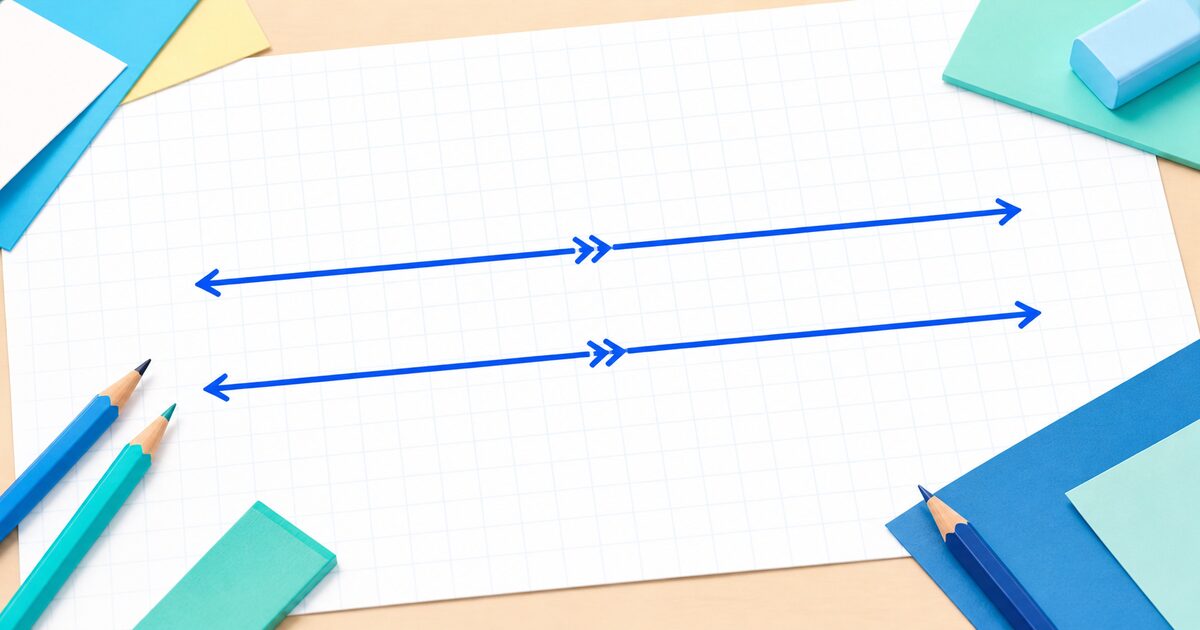
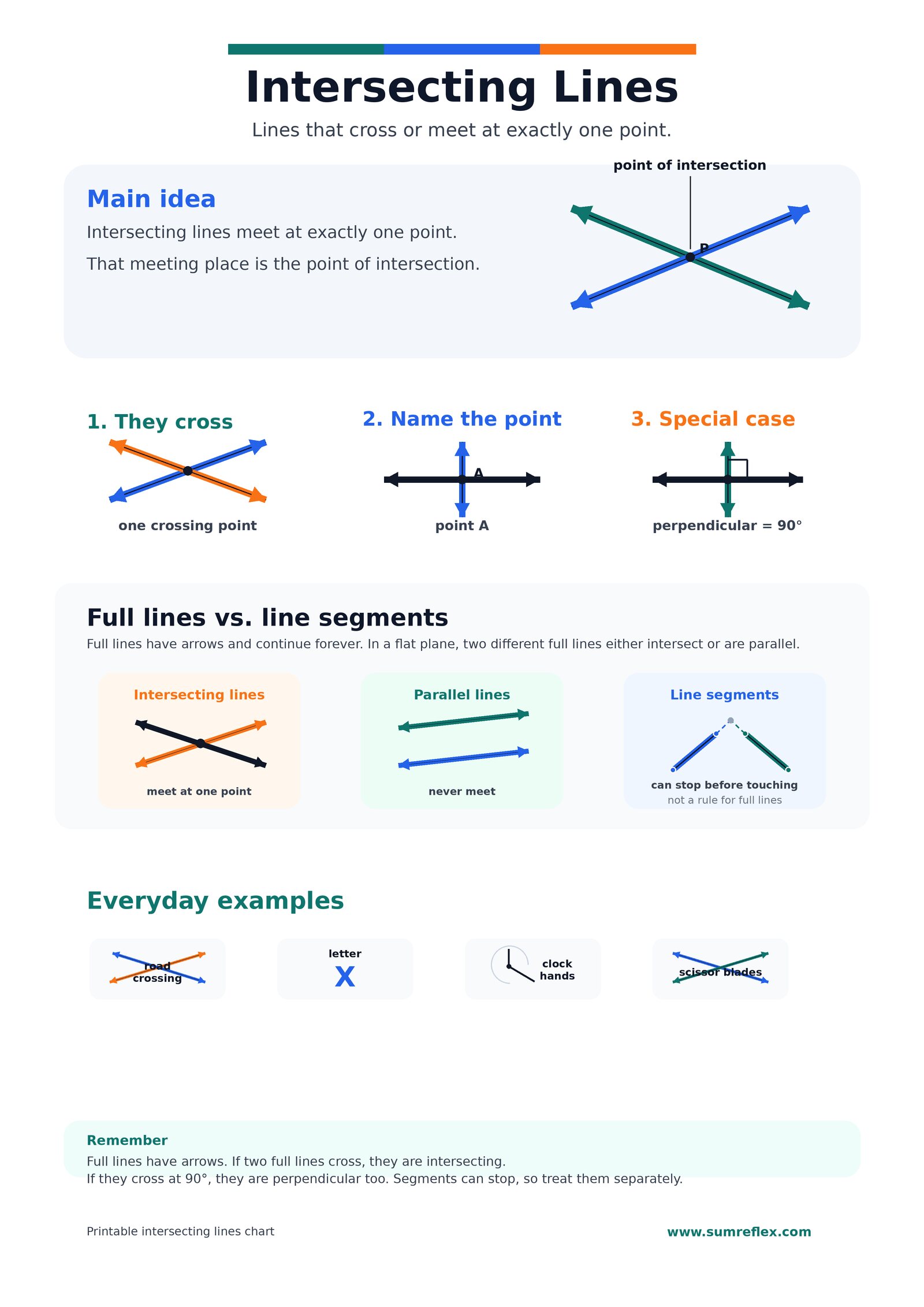
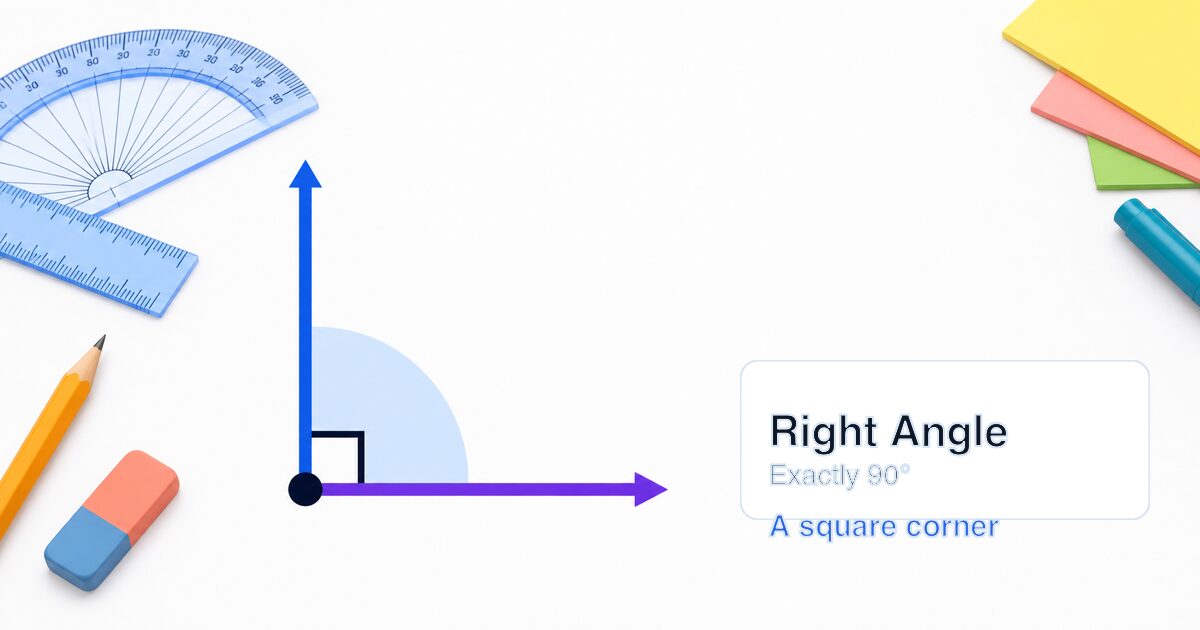
The geometry lessons now begin with types of angles, degree measure, and measuring angles with a protractor, then include acute angles, obtuse angles, parallel lines, intersecting lines, right angles, complementary angles, supplementary angles, and reflex angles. Parallel and intersecting lines help students compare direction and crossing points, while angle lessons help students compare turns and totals.
How to use the geometry lessons
Read the definition first, study the diagram, then try the interactive or practice section before moving to a worksheet. This sequence helps students connect the visual model with the calculation or vocabulary word.
Each lesson stays focused on one geometry idea
The geometry library is designed so each lesson can stand on its own. A page about reflex angles should not reuse the same content as a page about polygons, lines, or symmetry; each concept needs its own explanation and examples.