


What Grade 3 measurement covers
Grade 3 measurement often includes area, perimeter, time to the nearest minute, elapsed time, schedules, liquid volume, mass, and practical word problems.
Area and perimeter build measurement reasoning
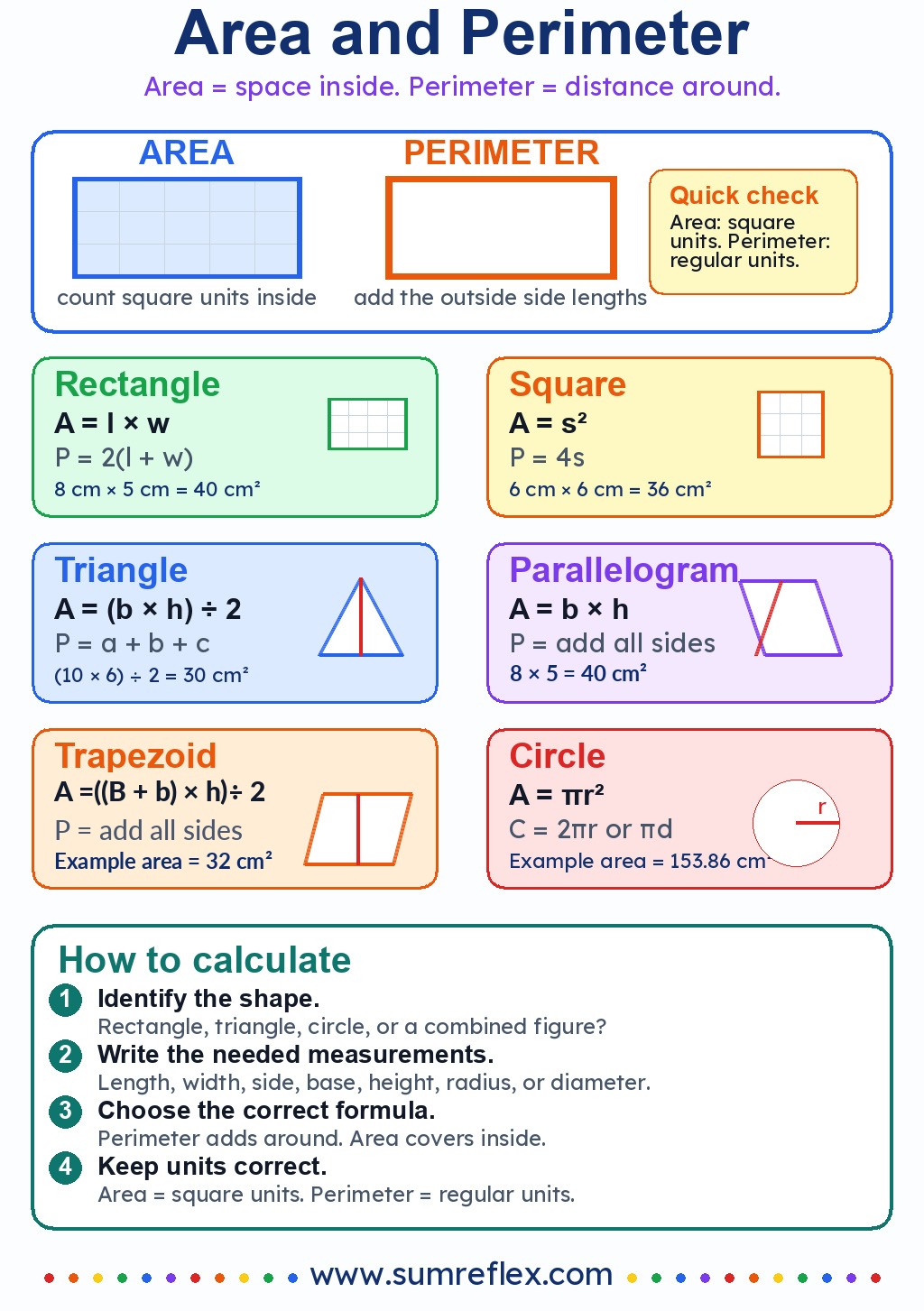
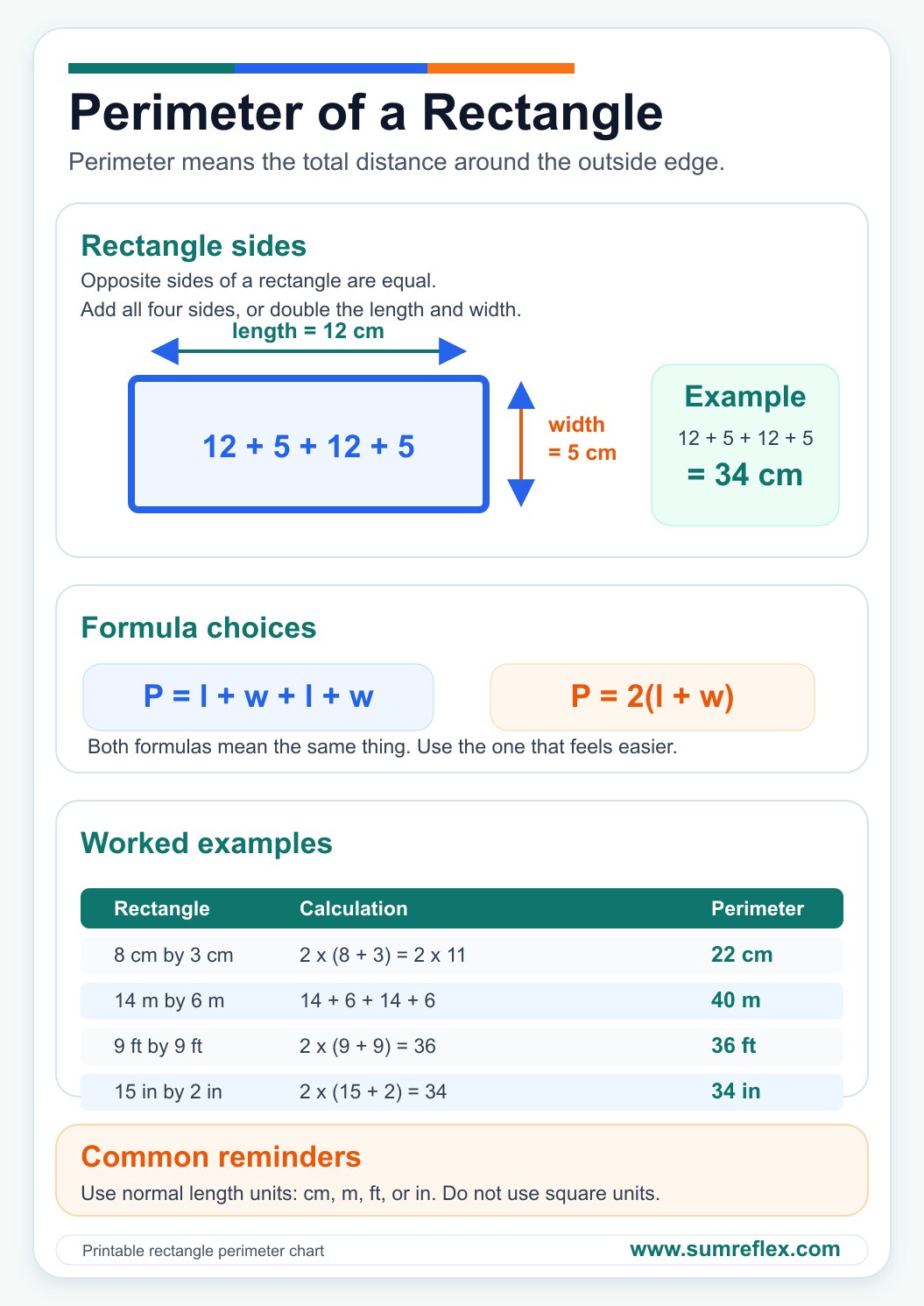
Area asks how much space is inside a shape. Perimeter asks how far it is around the outside. Students learn to choose the correct formula, use the right units, and connect the calculation to real situations such as tiling, painting, fencing, and framing. Start with the focused Perimeter of a Rectangle lesson when students need more practice with rectangular borders.
Time needs careful notation
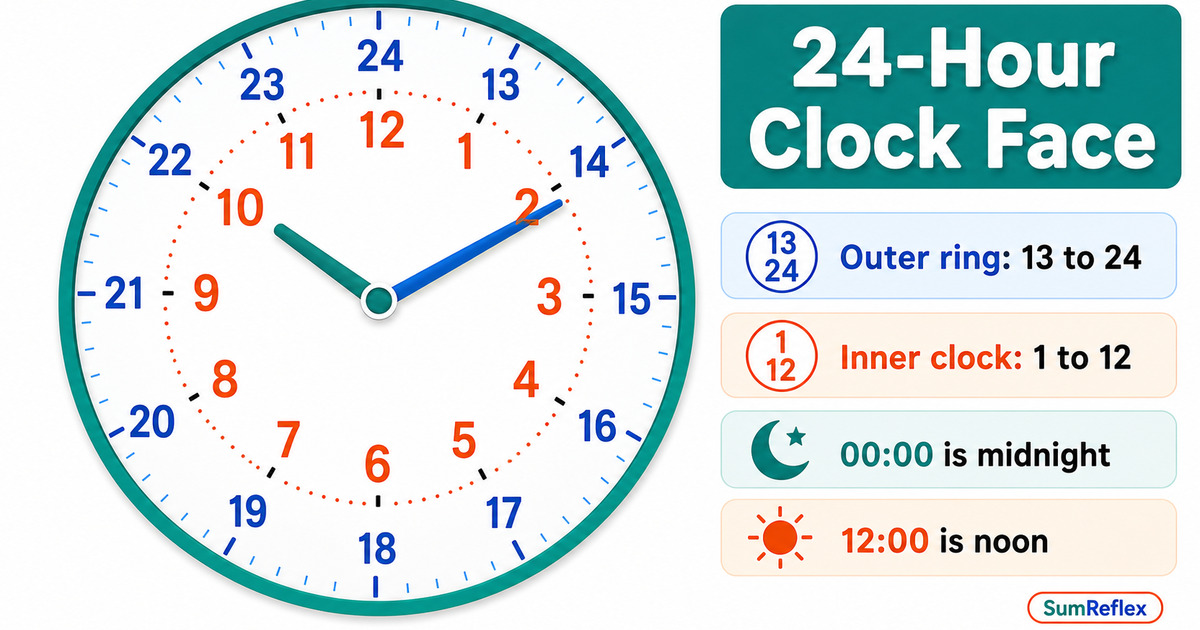
Students learn that a small change in how time is written can change the meaning. Reading 7:00 a.m., 7:00 p.m., 07:00, and 19:00 carefully helps prevent schedule mistakes.
Use schedules and real examples
Travel times, school timetables, calendars, alarms, and sports schedules make time notation easier to understand because students can connect each time to a real event.