

How to choose the right geometry chart
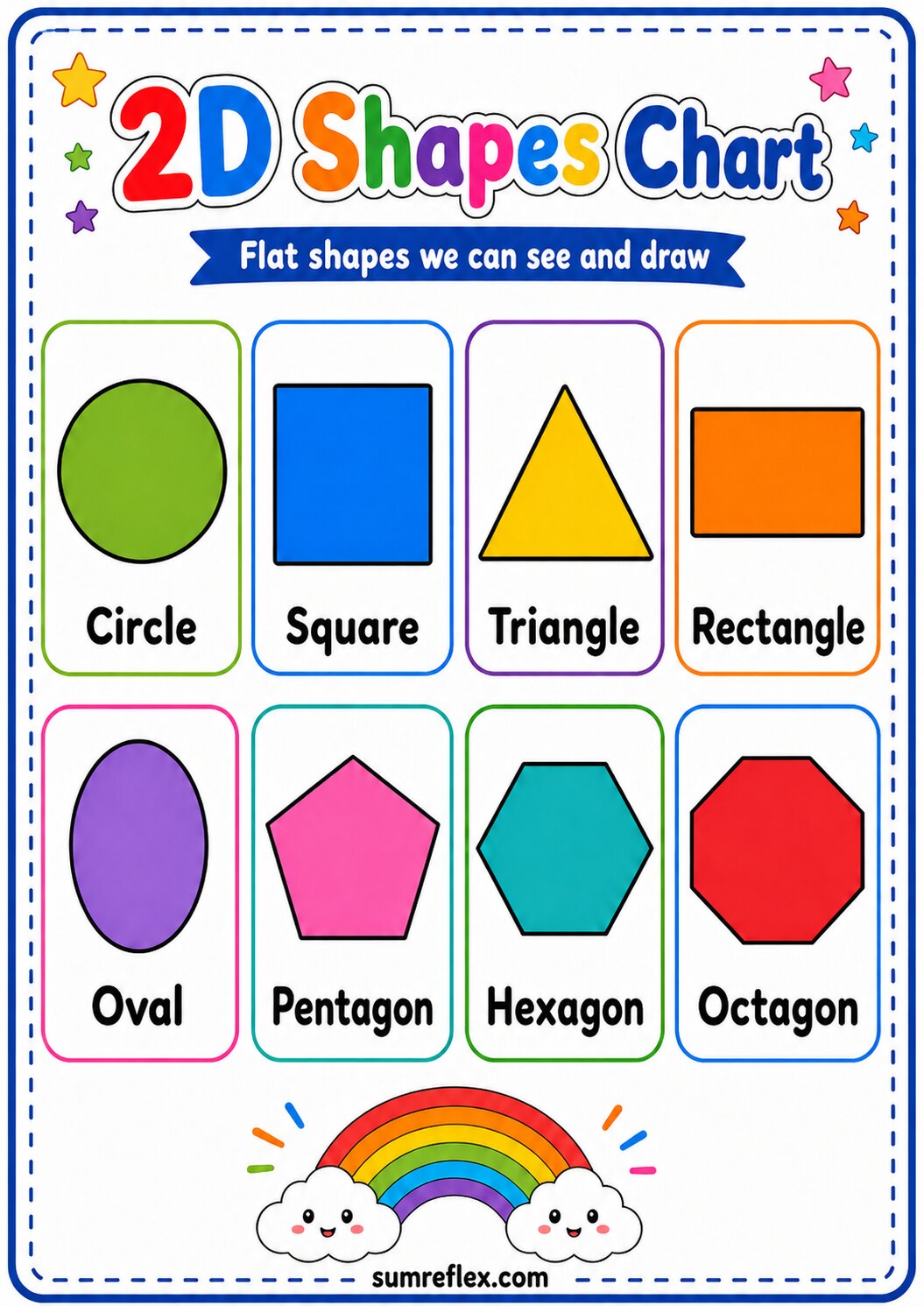
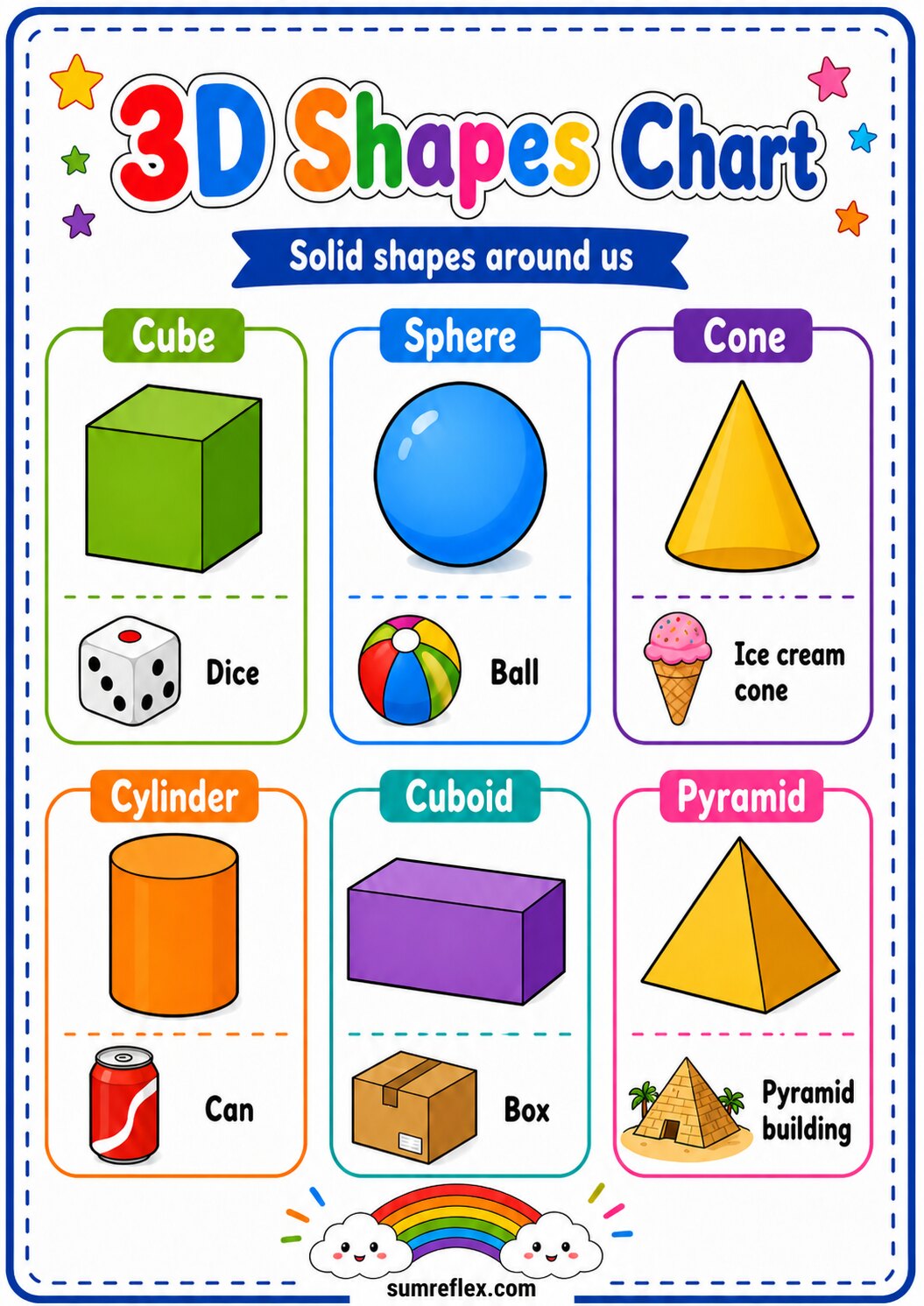
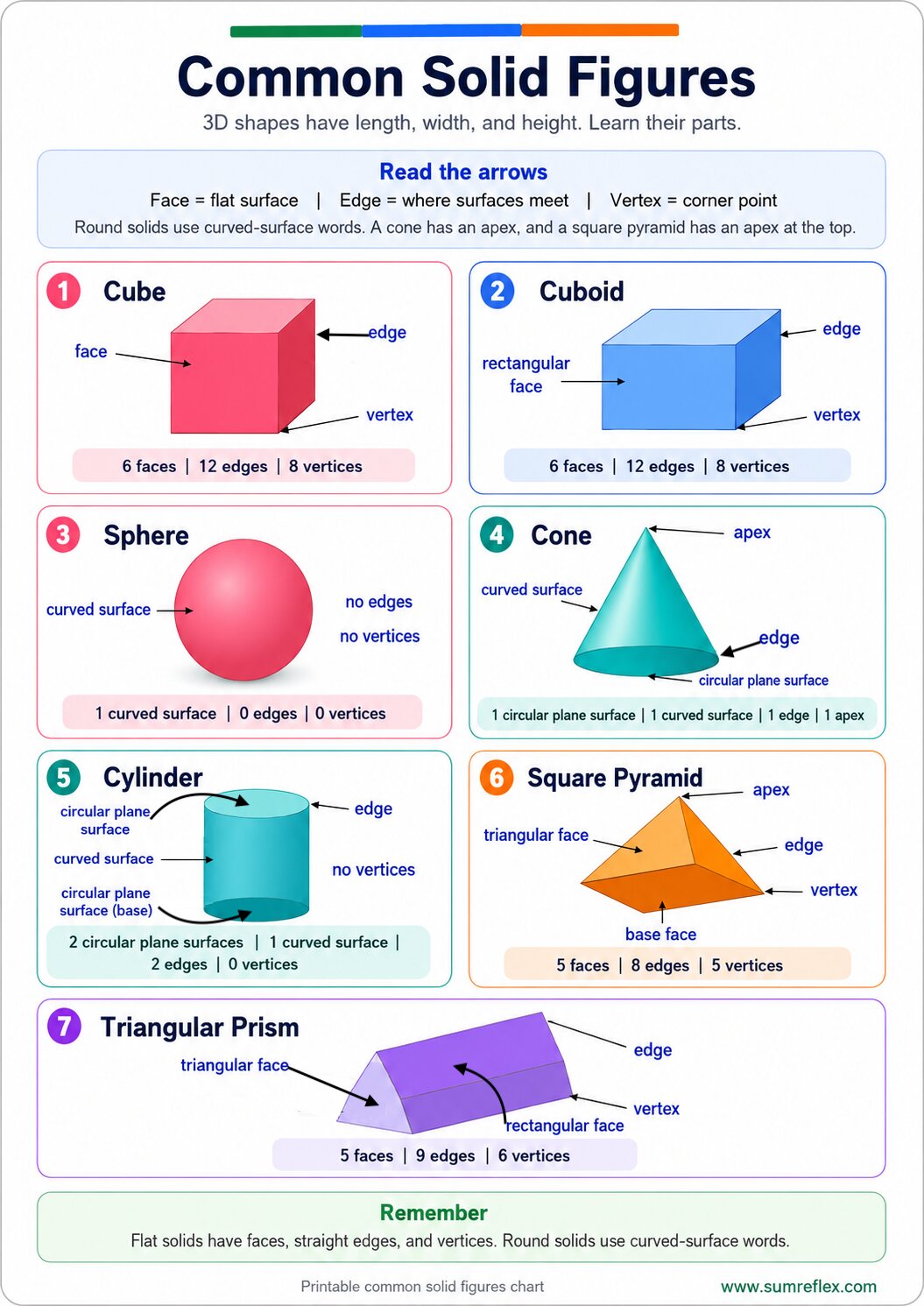
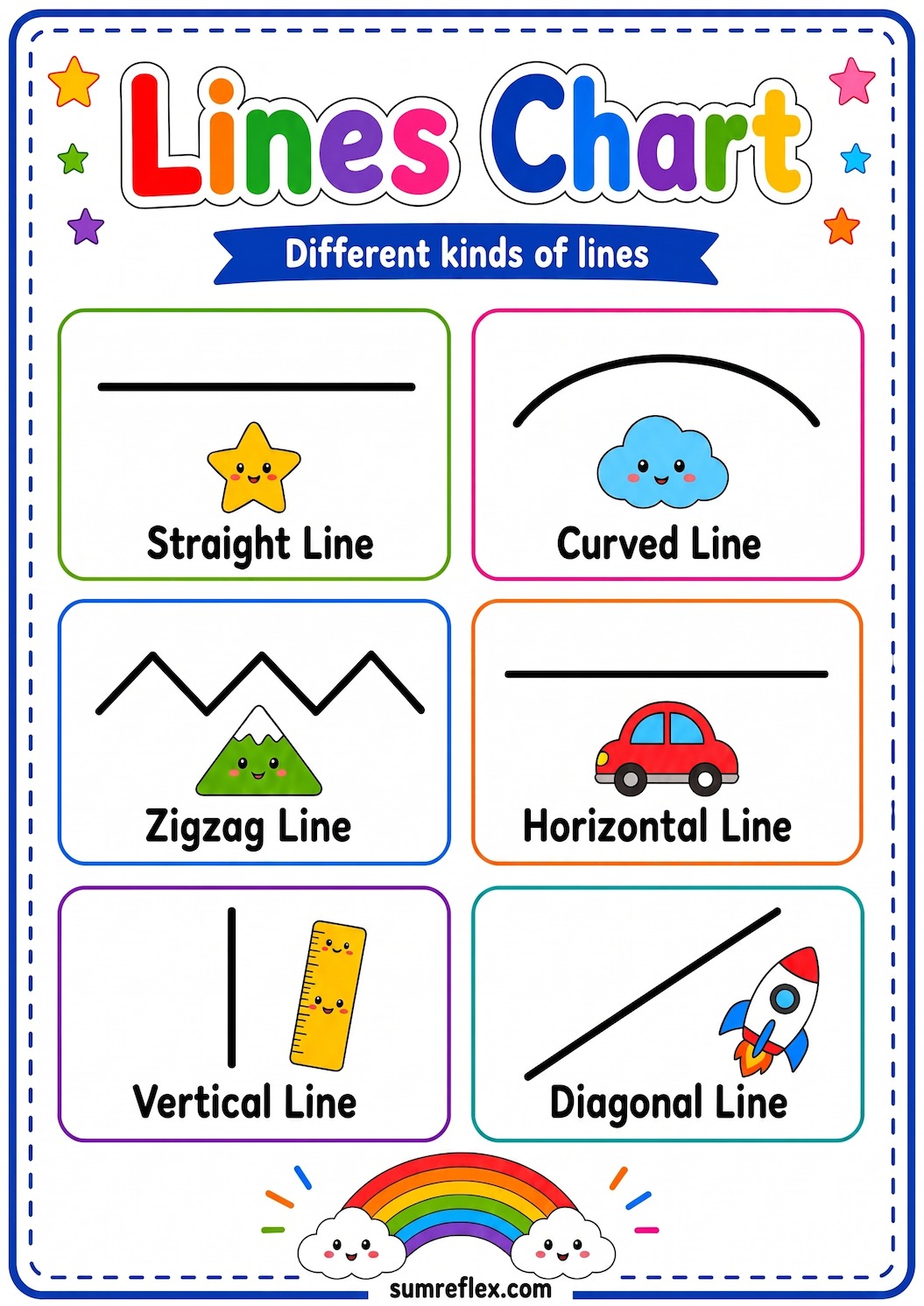
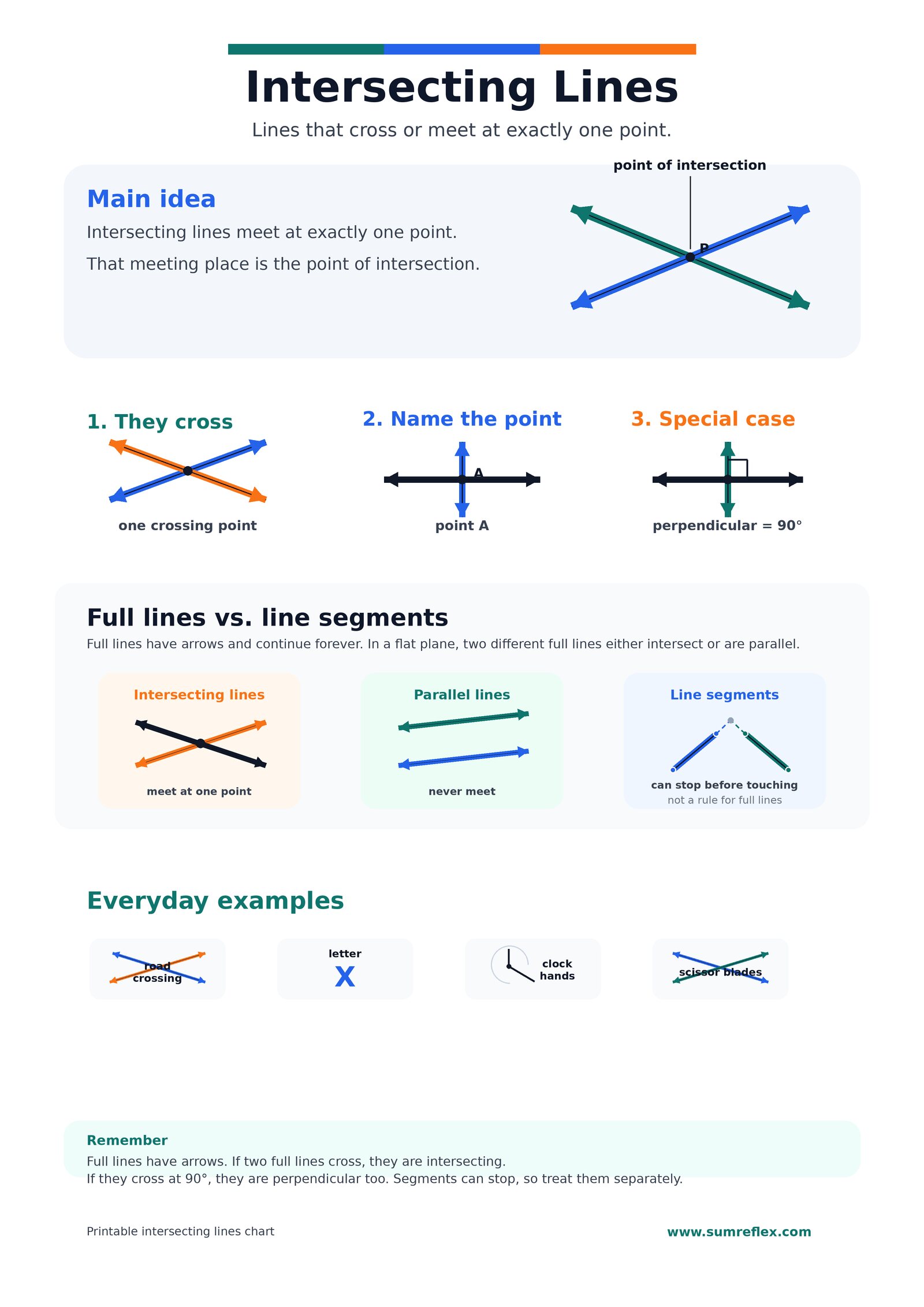
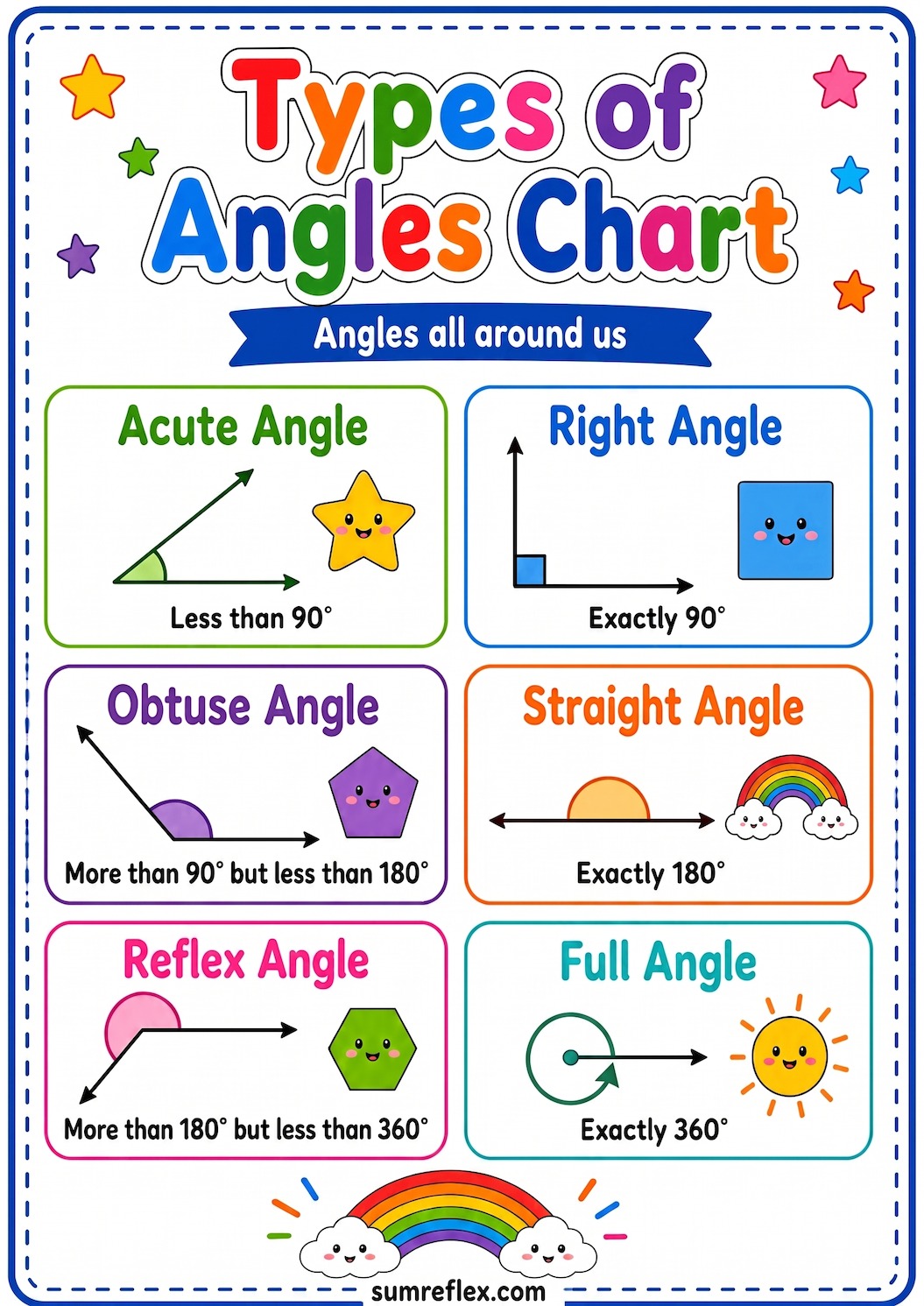
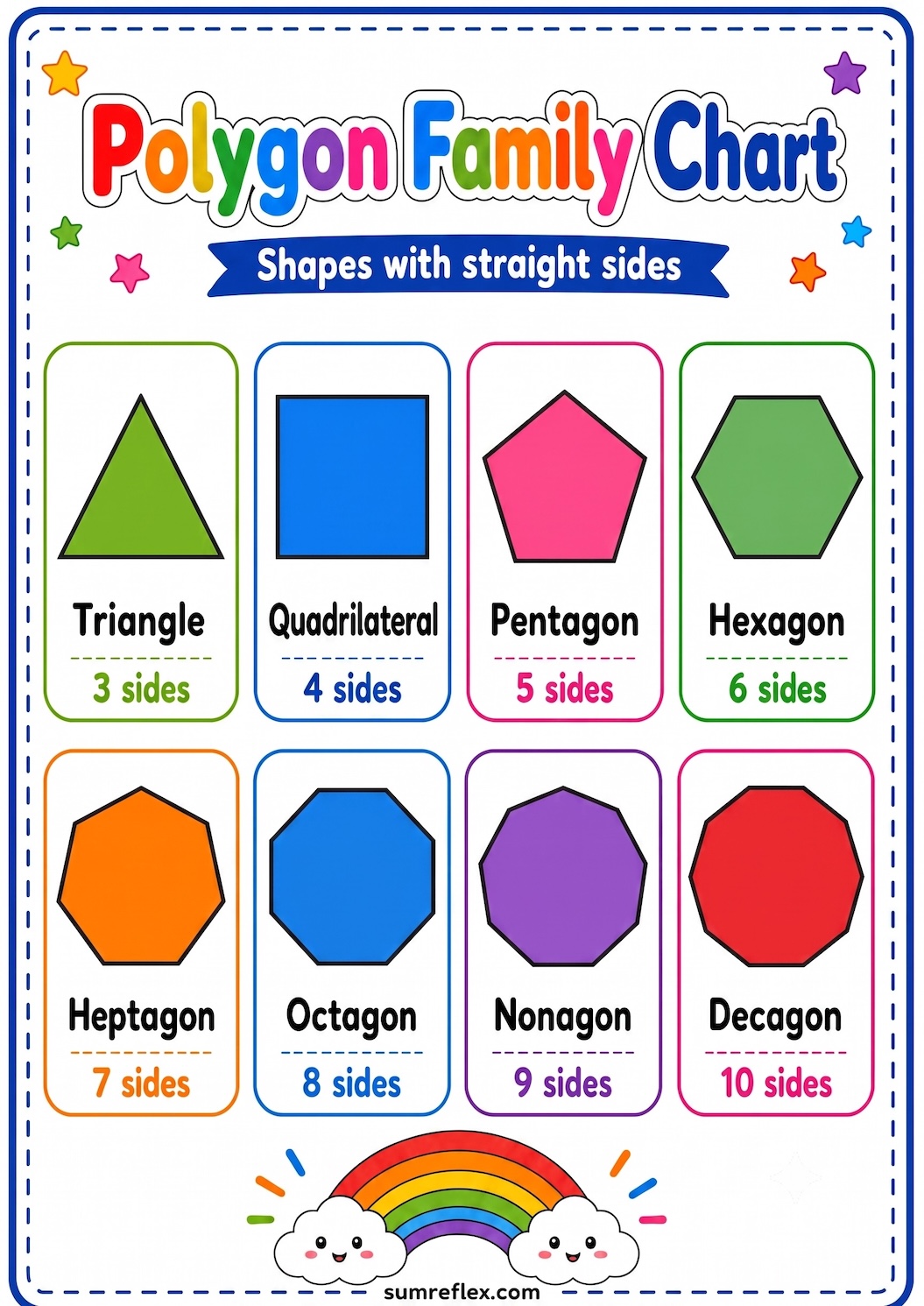
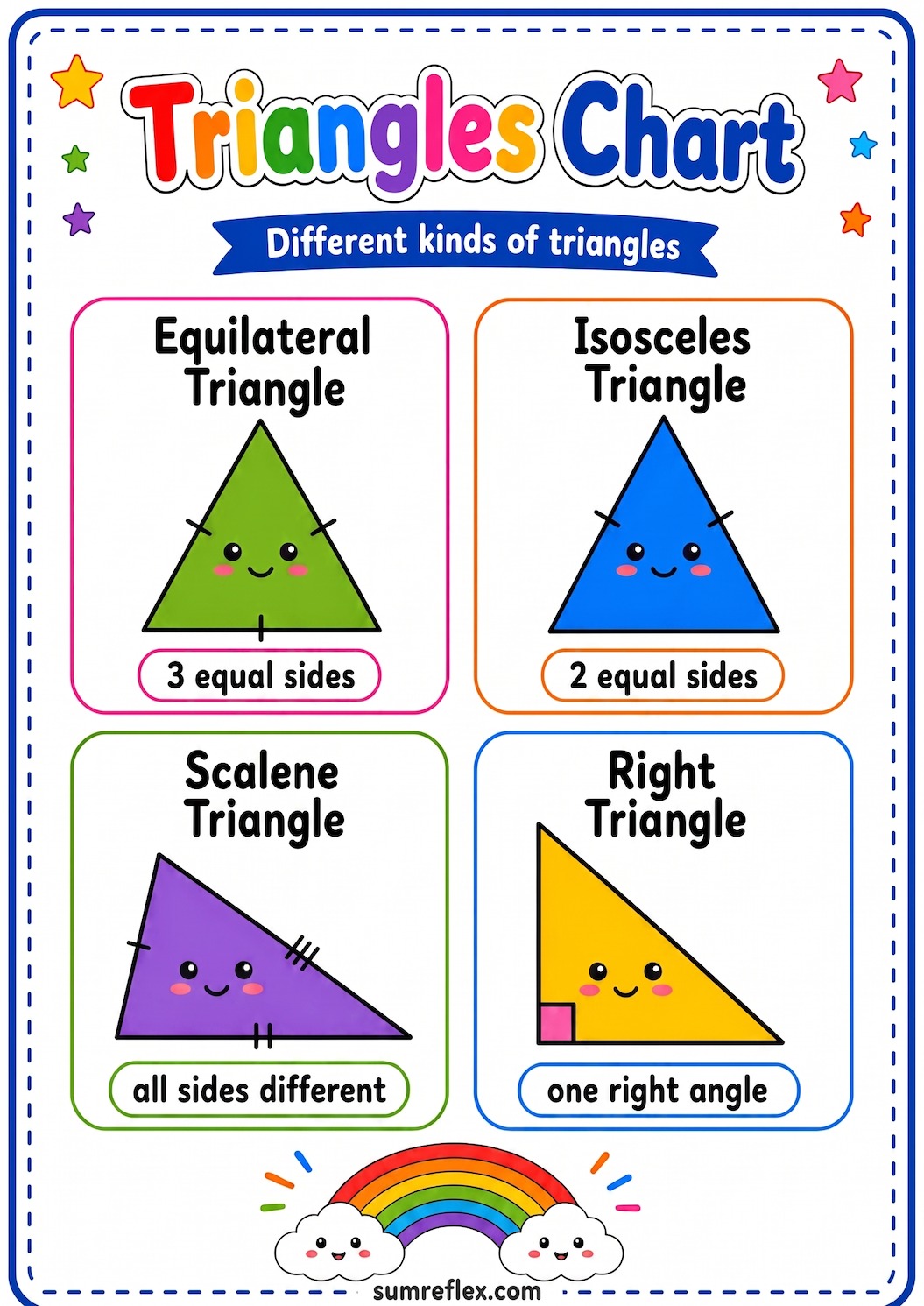
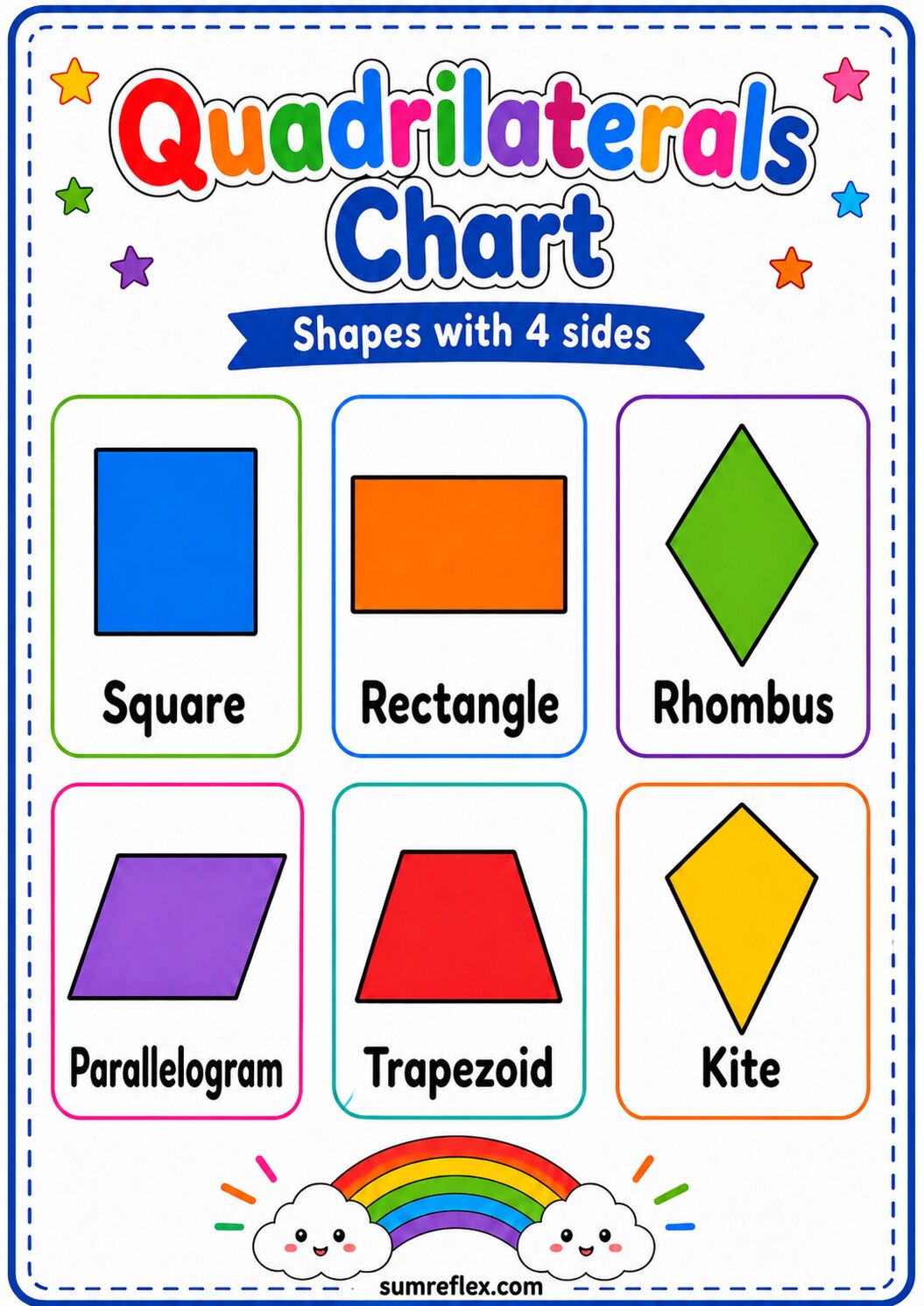
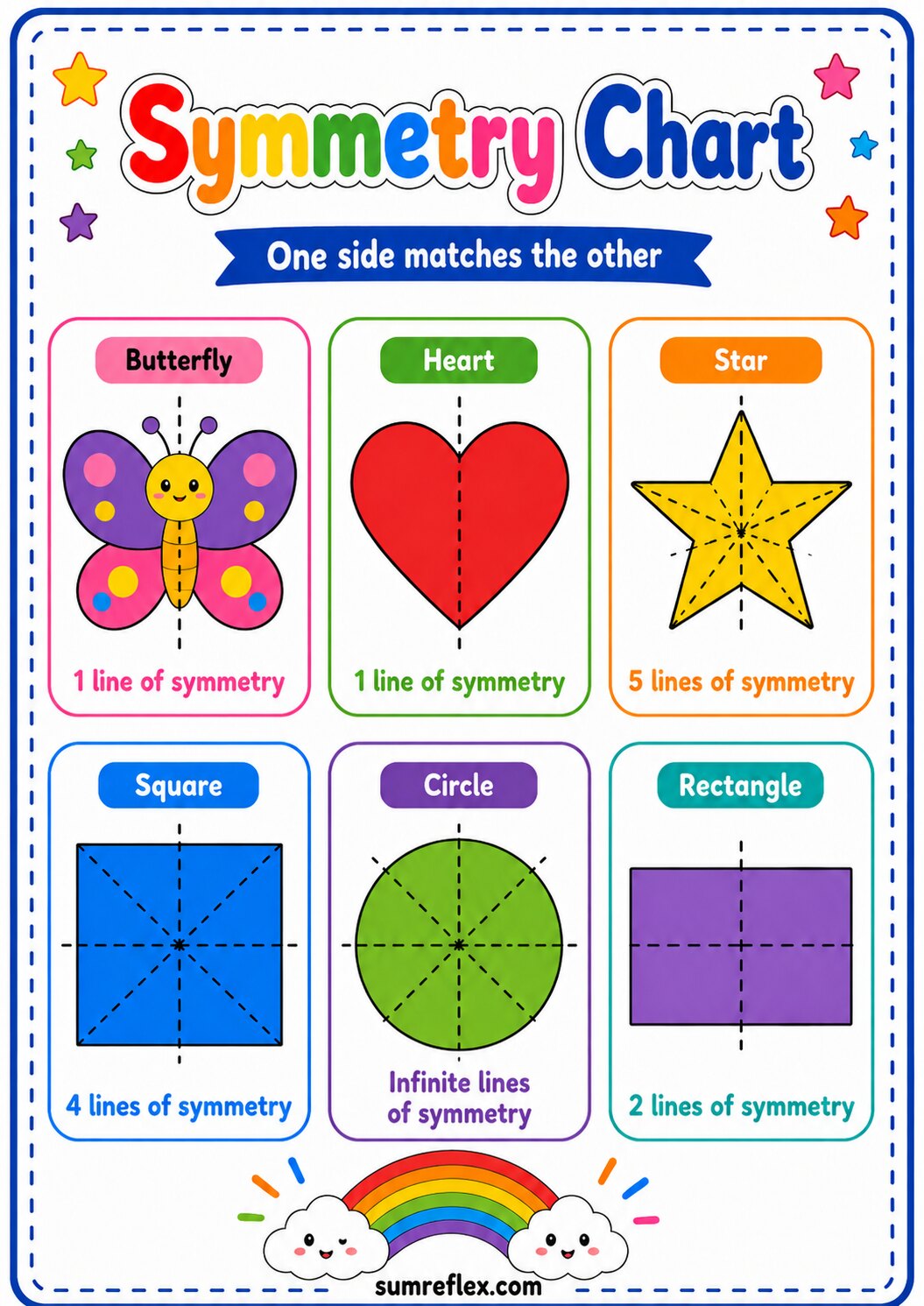
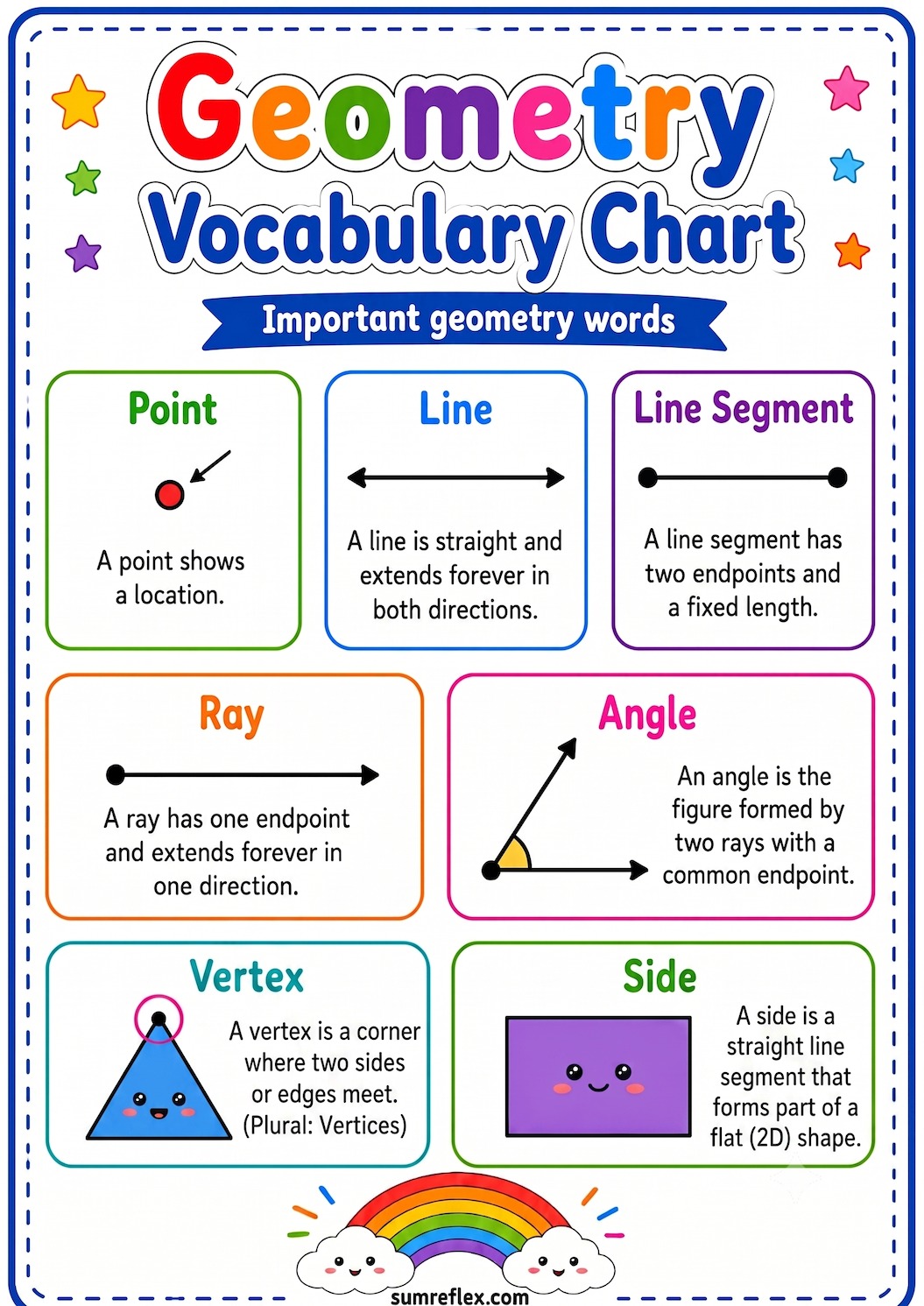
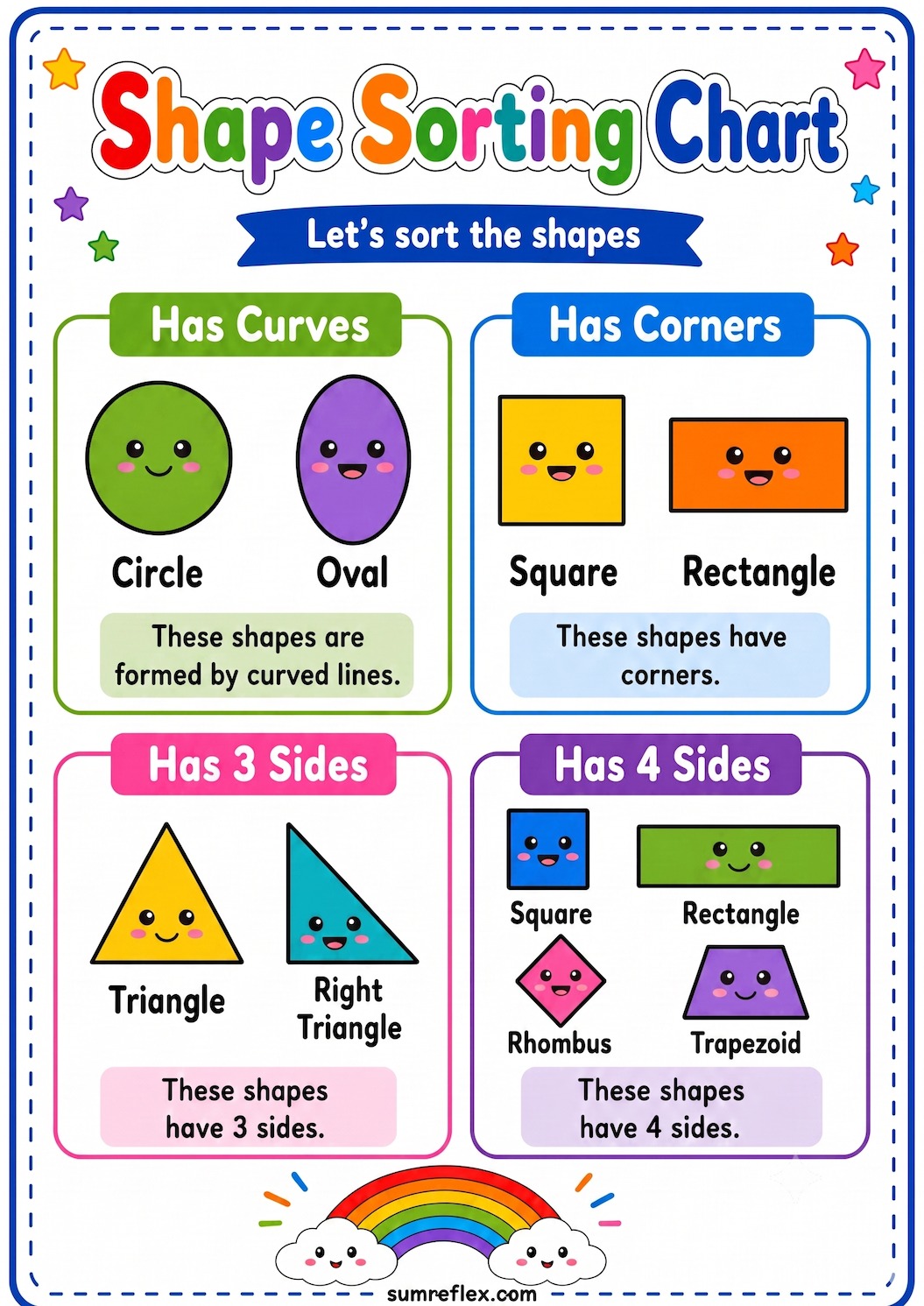
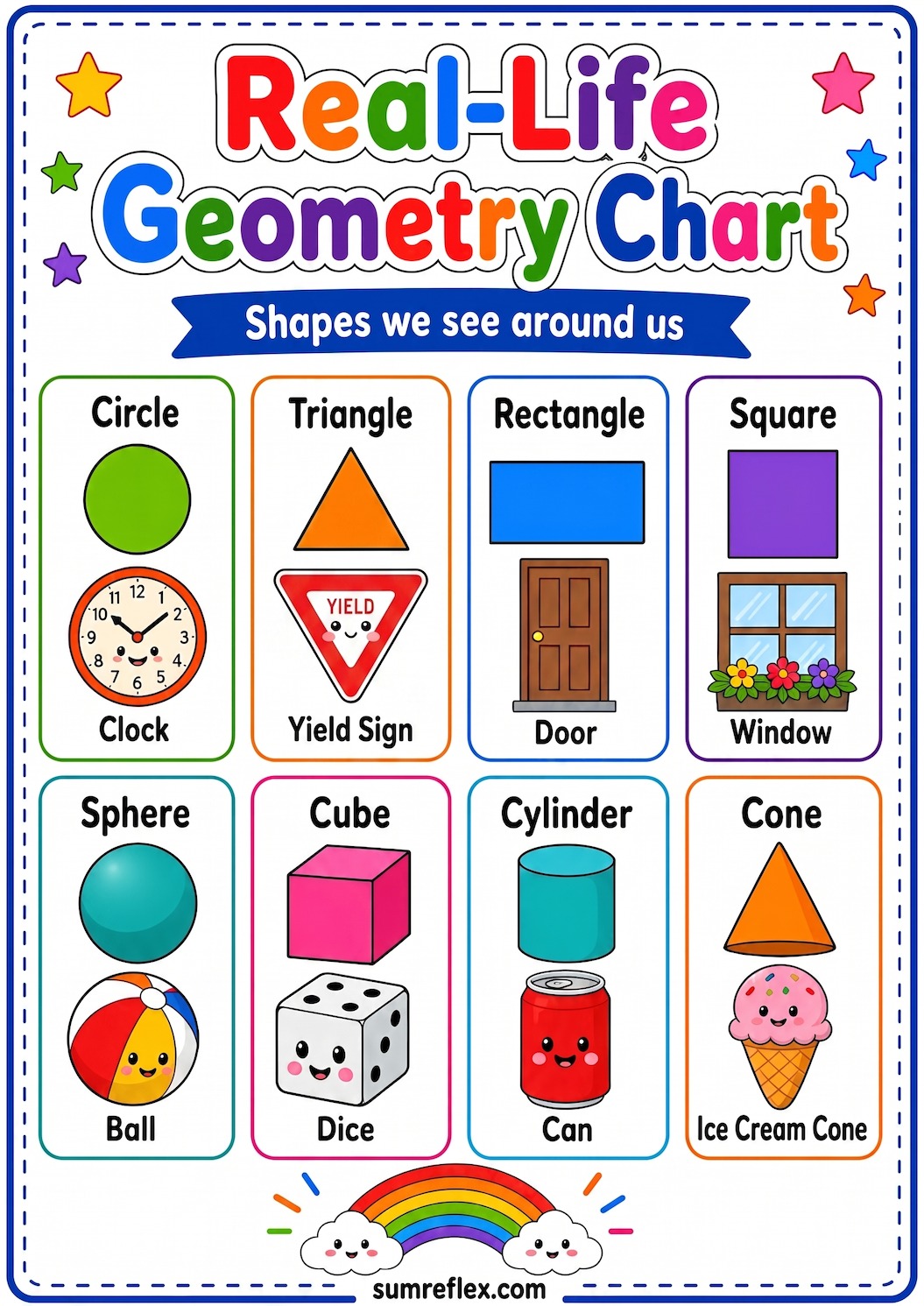
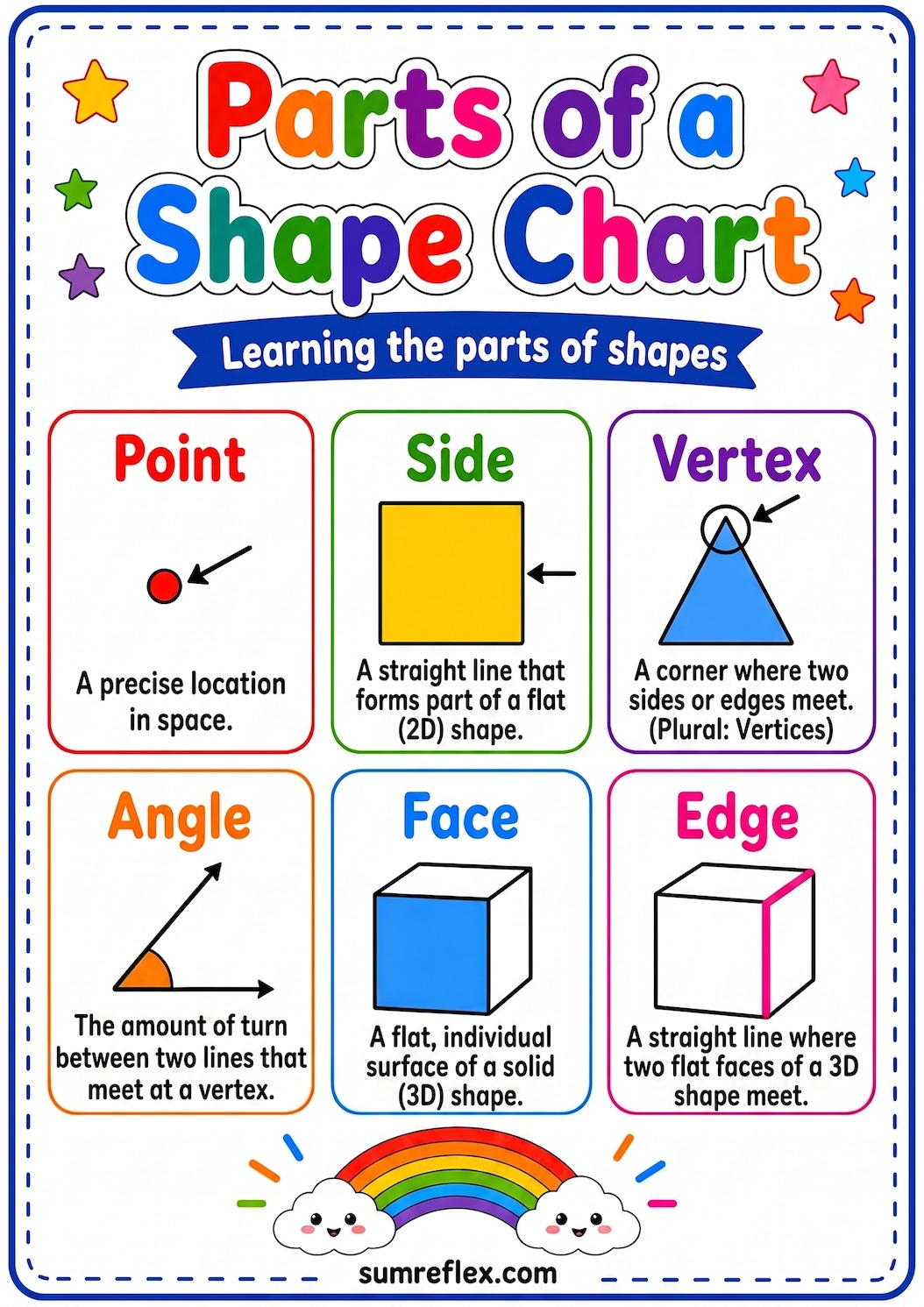
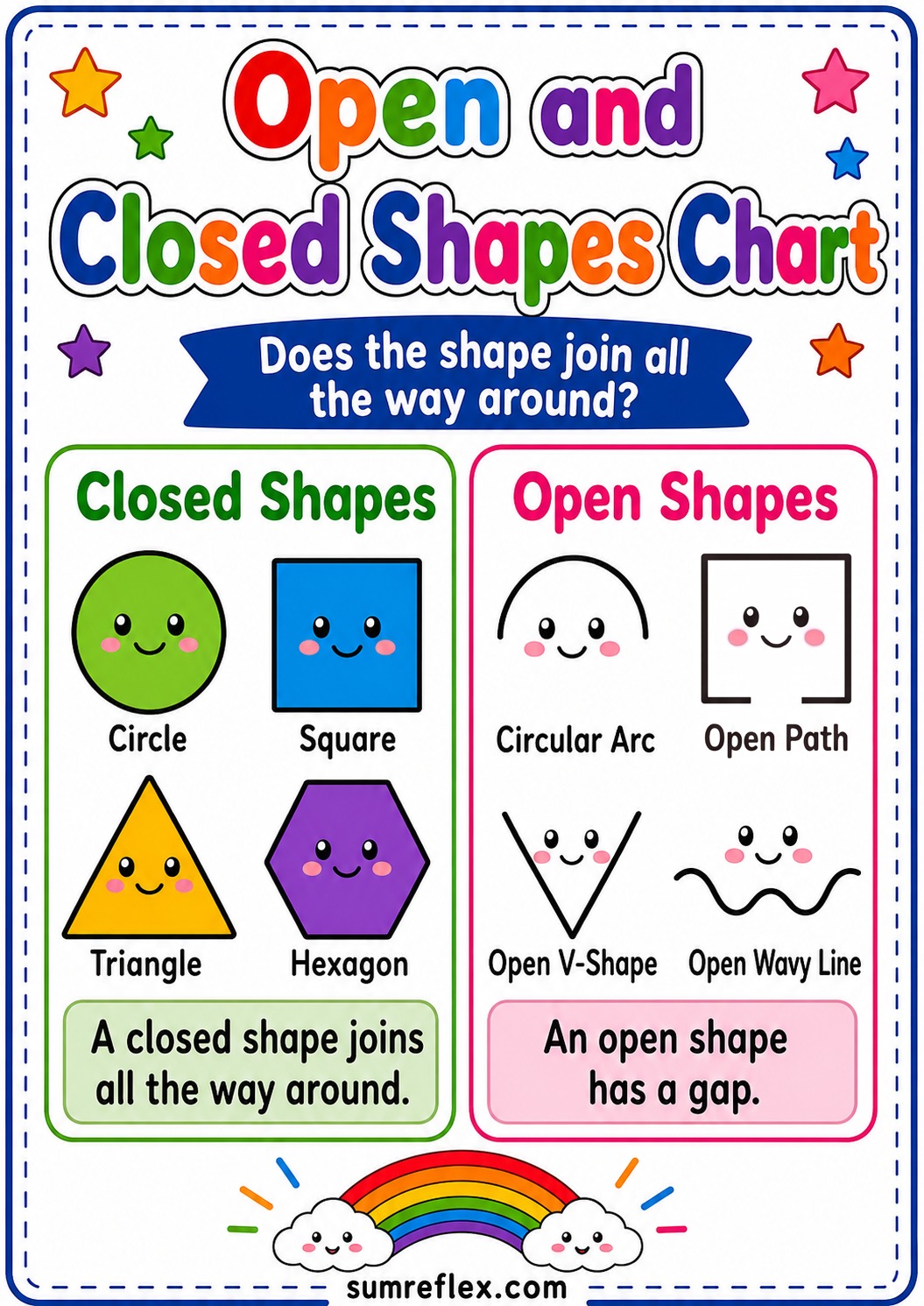
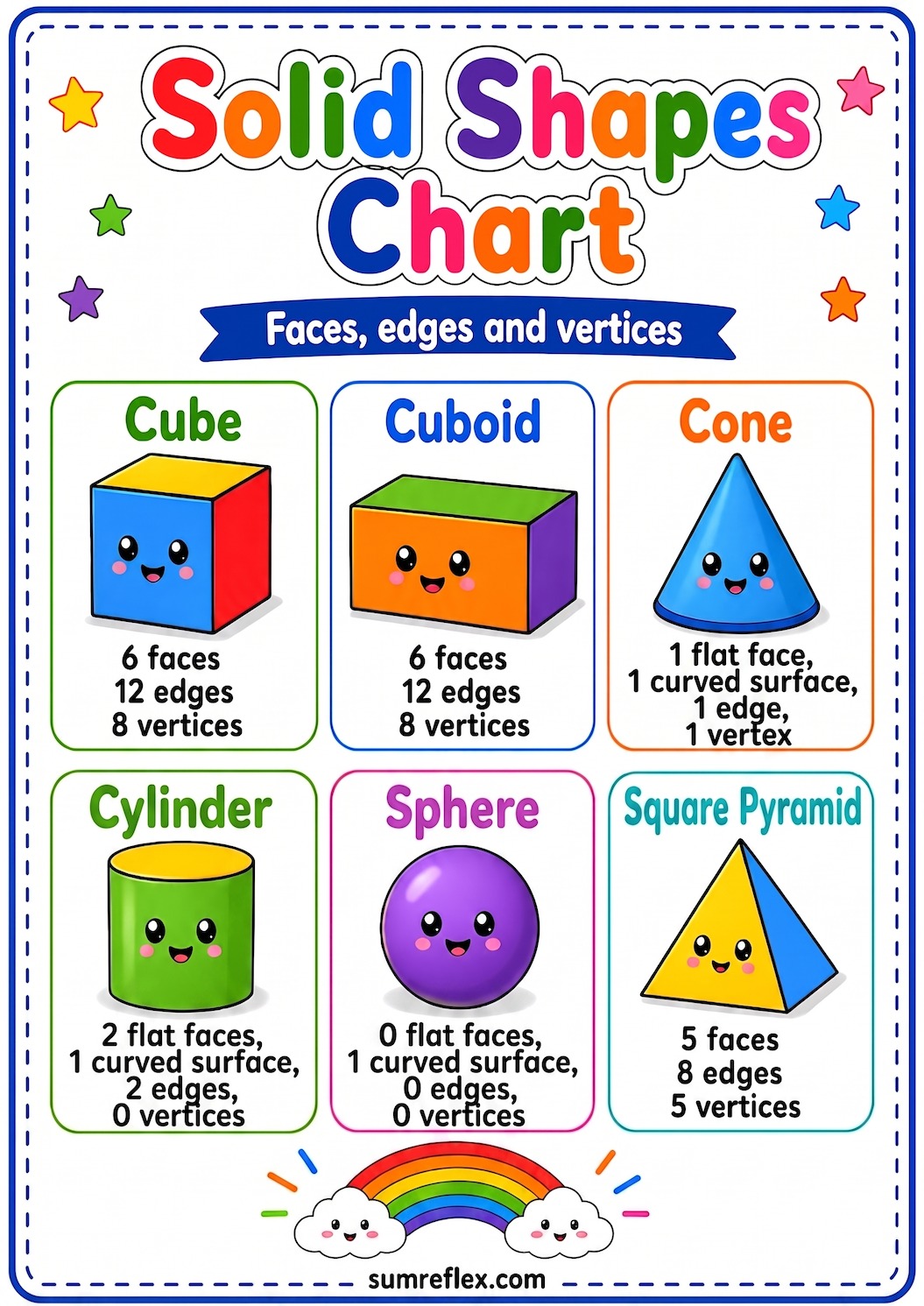
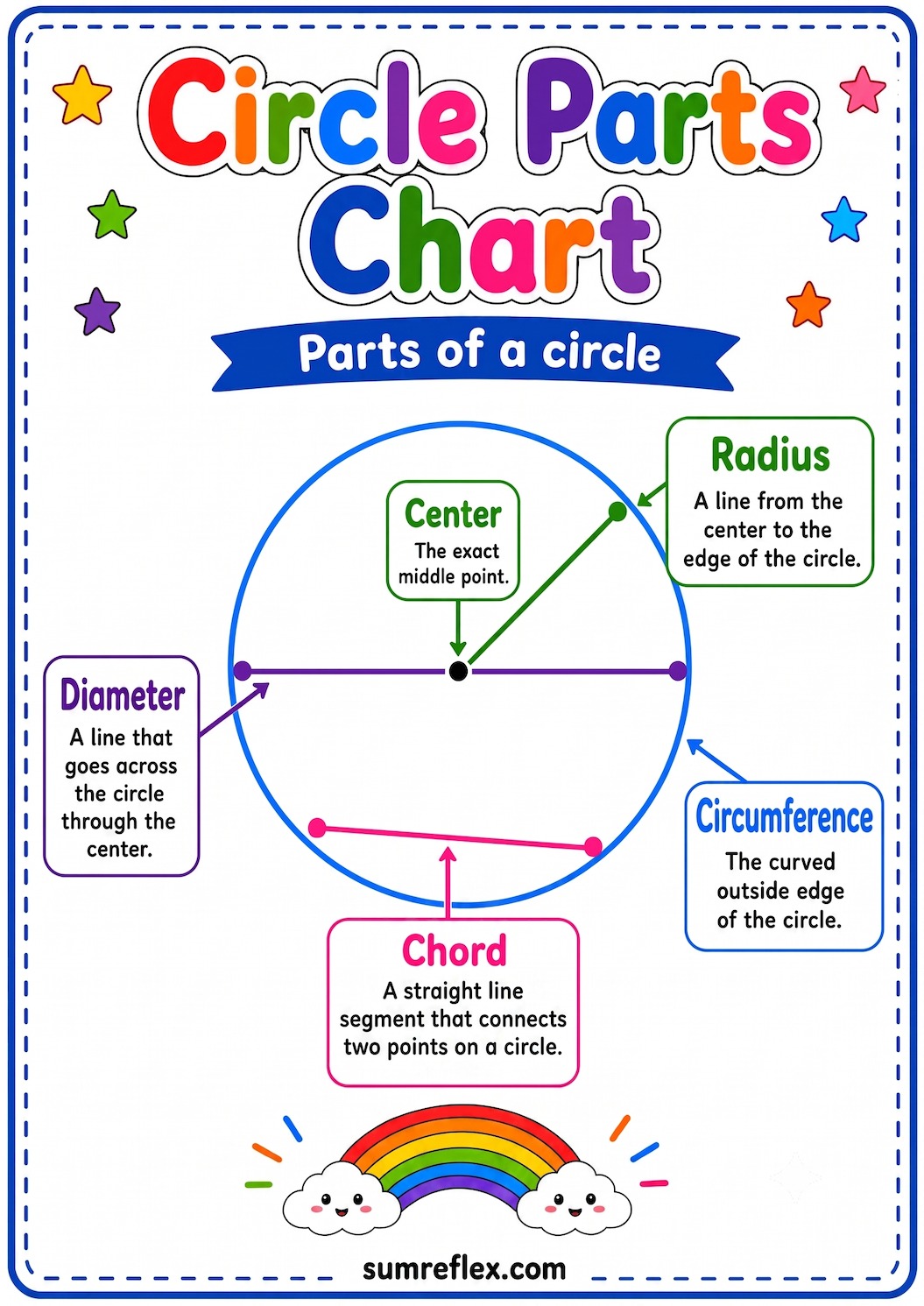
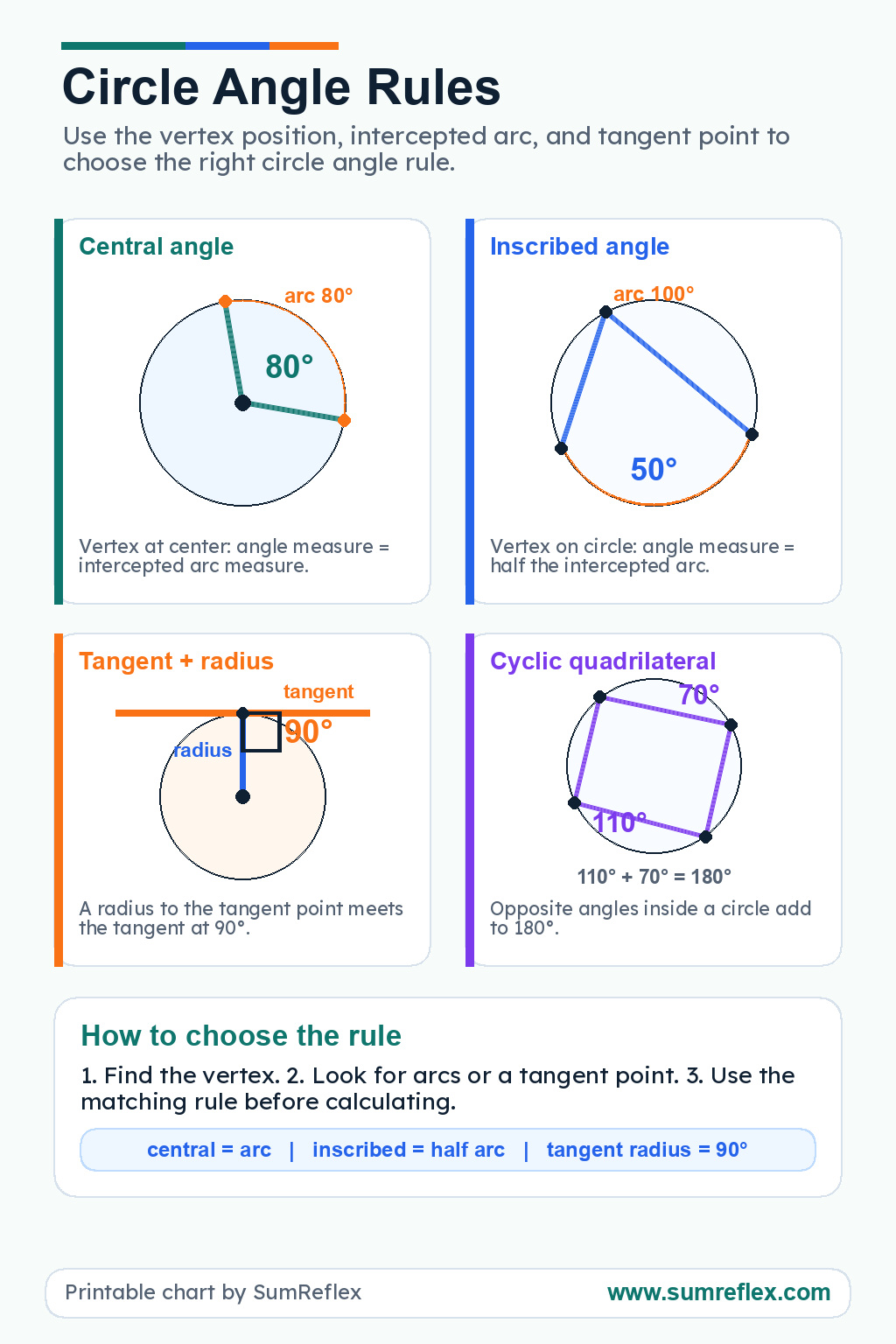
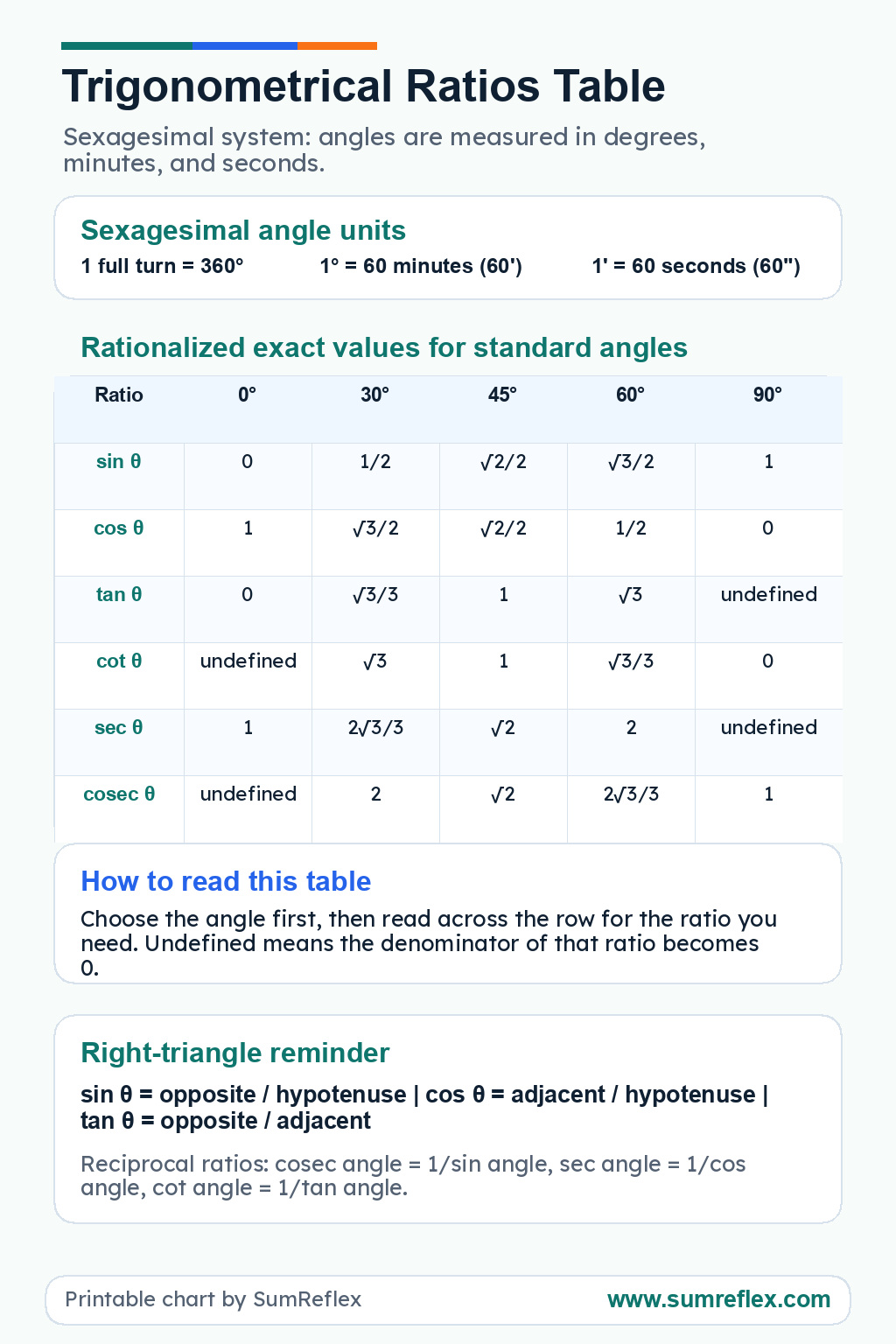
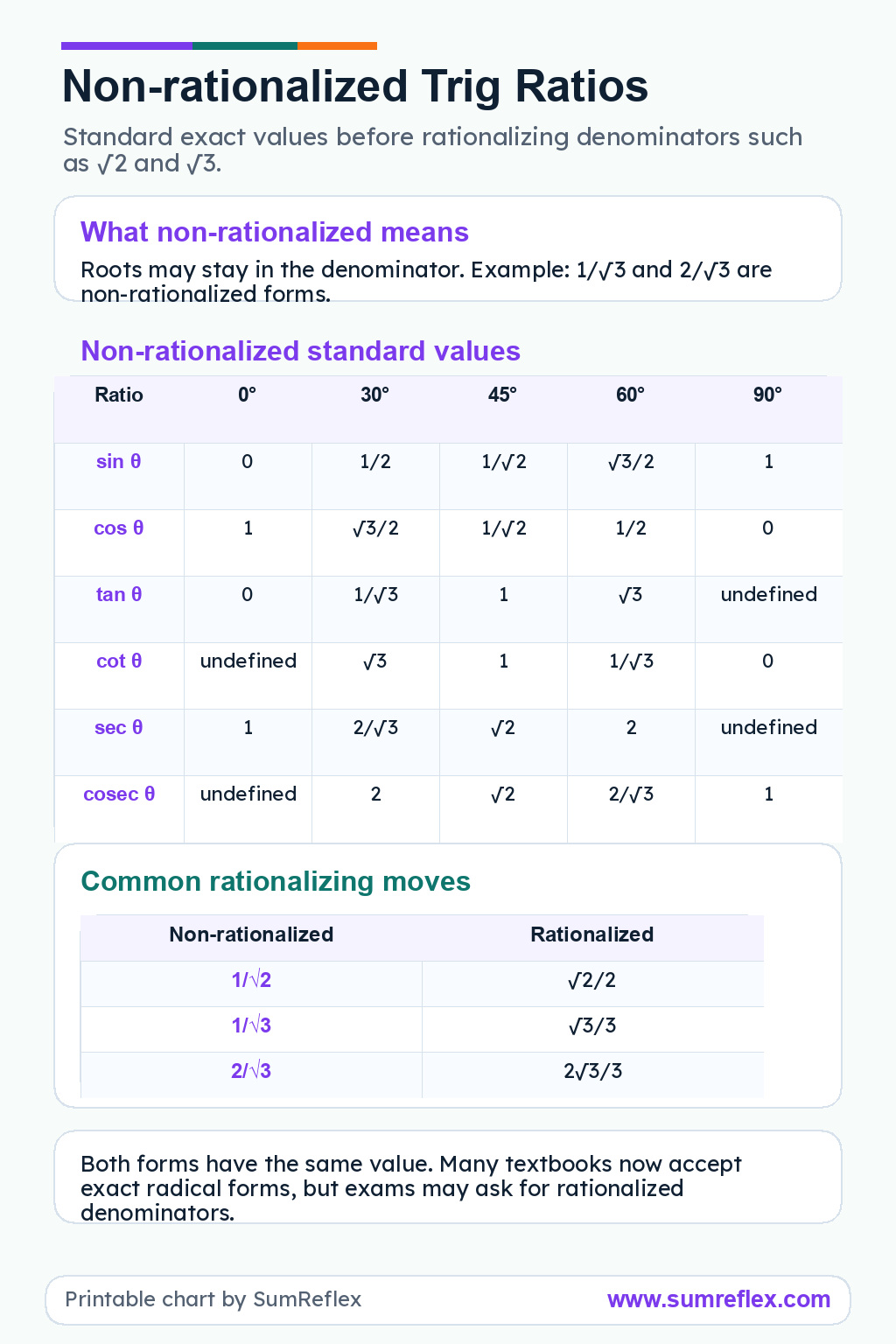
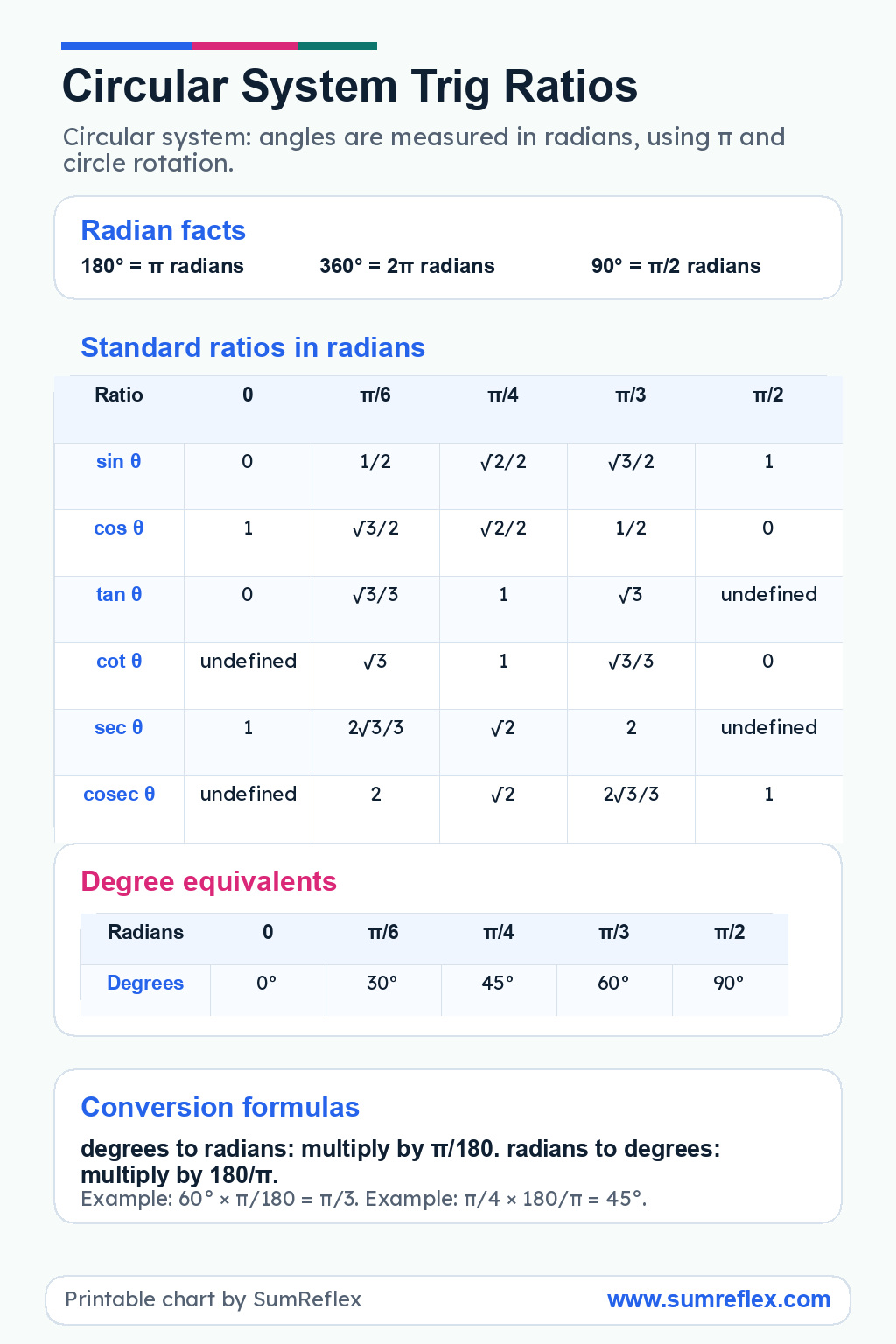
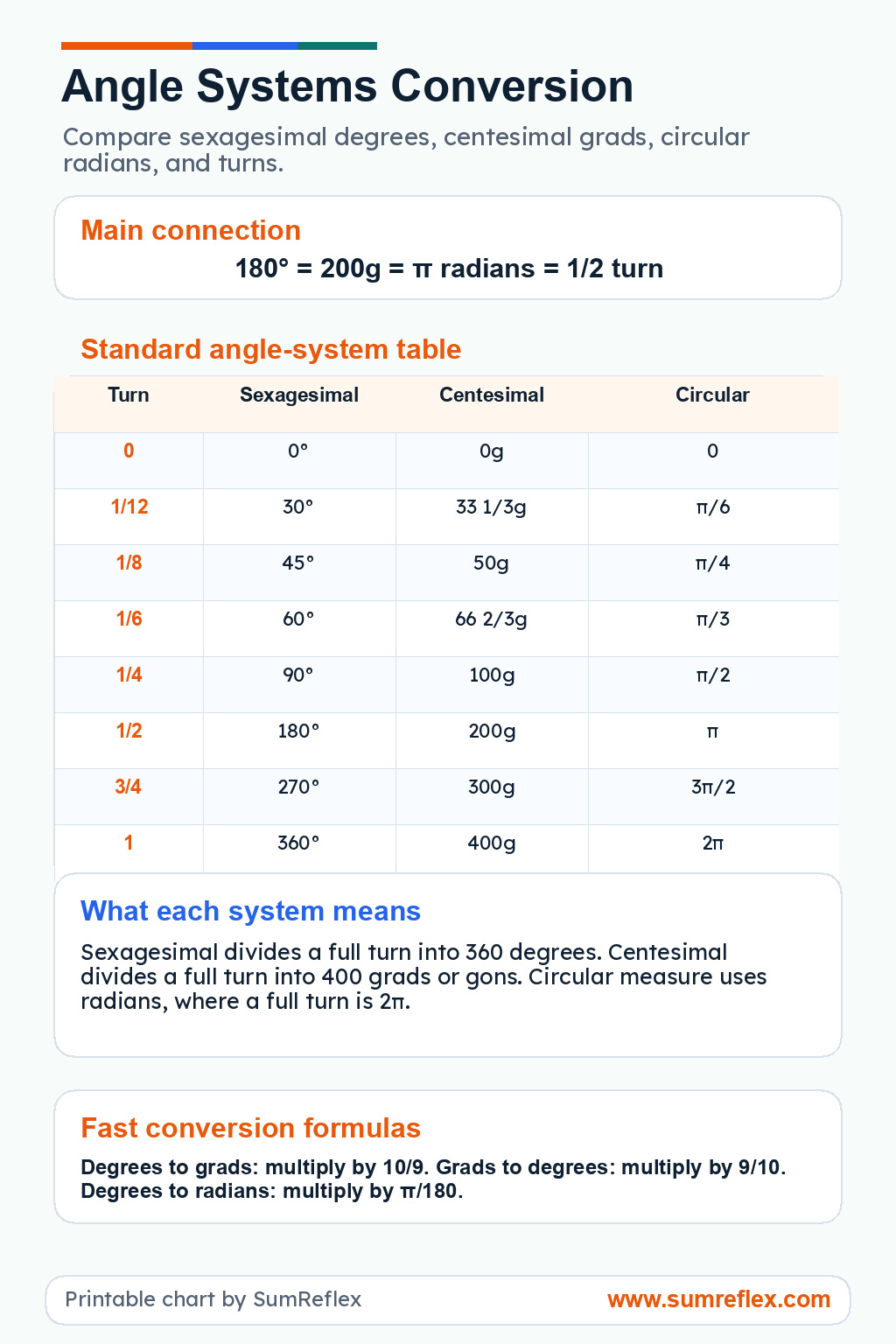
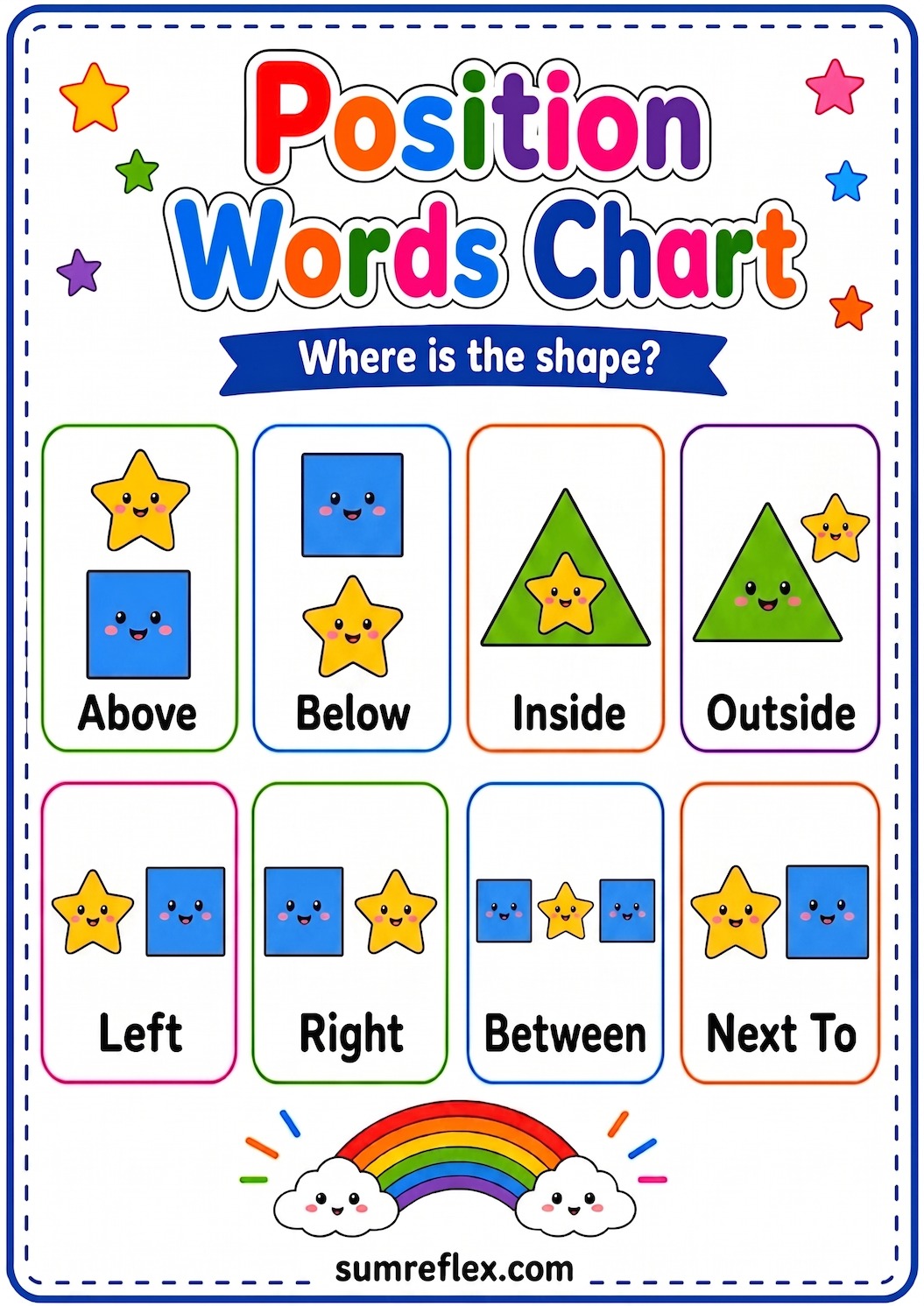
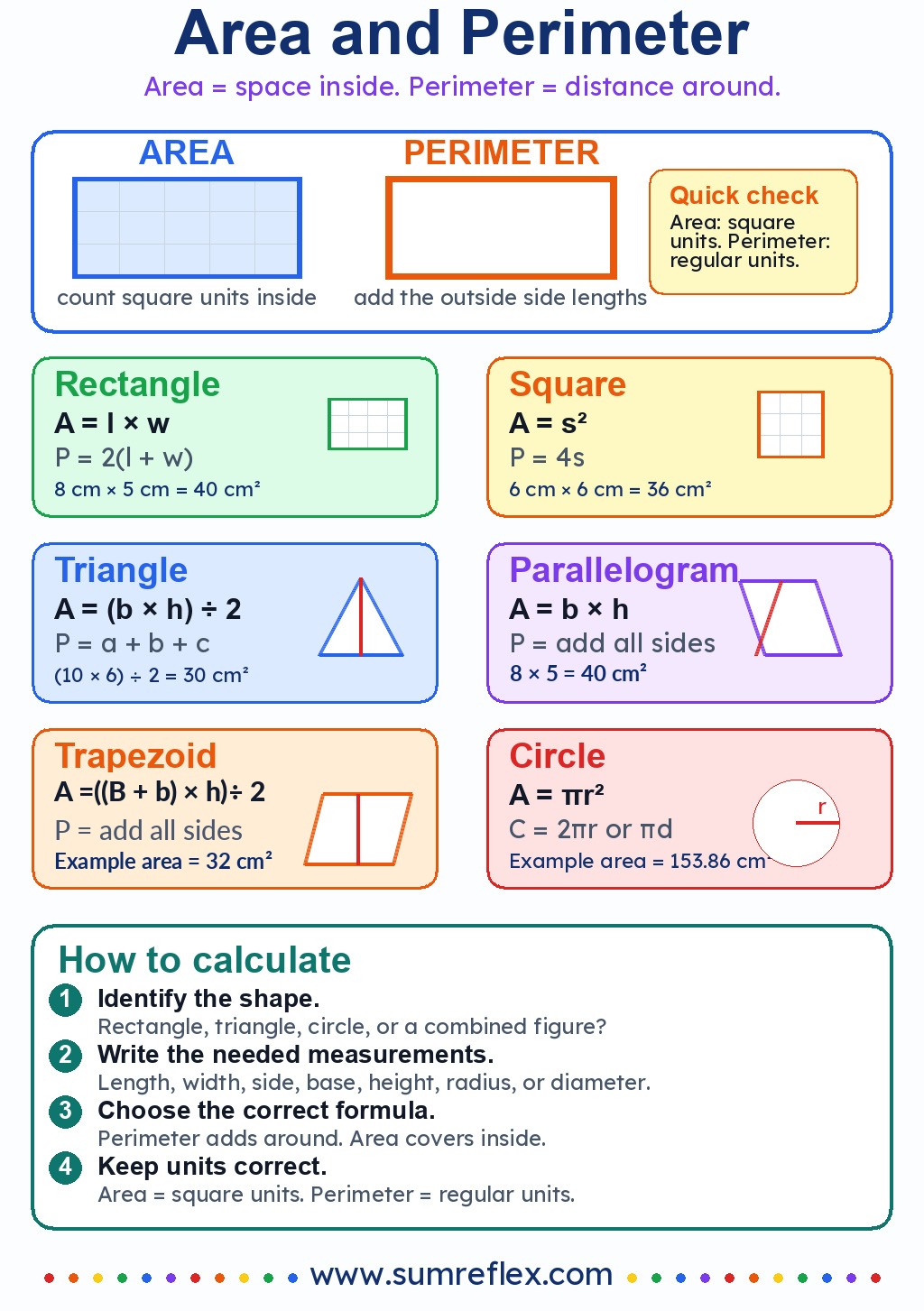
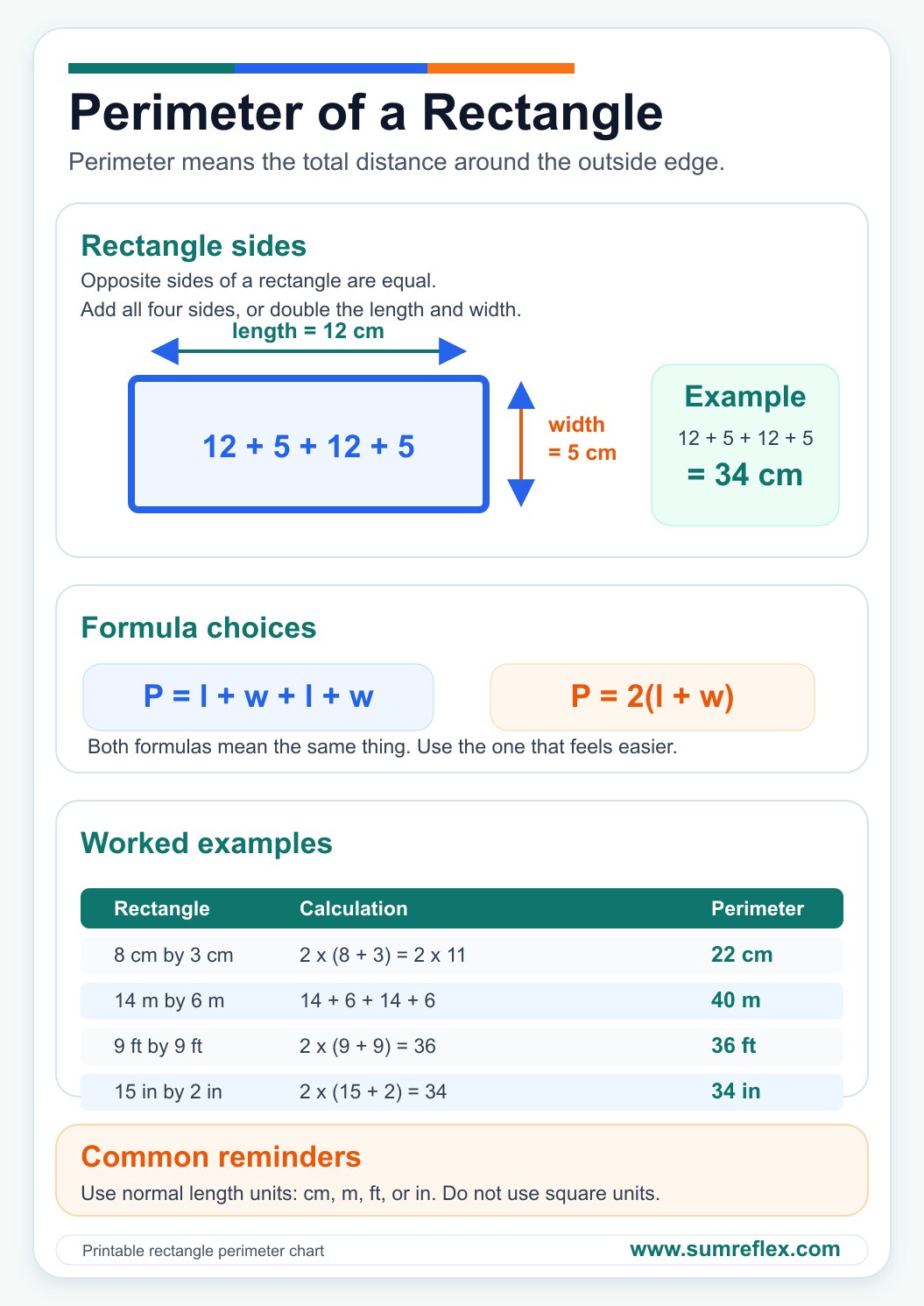
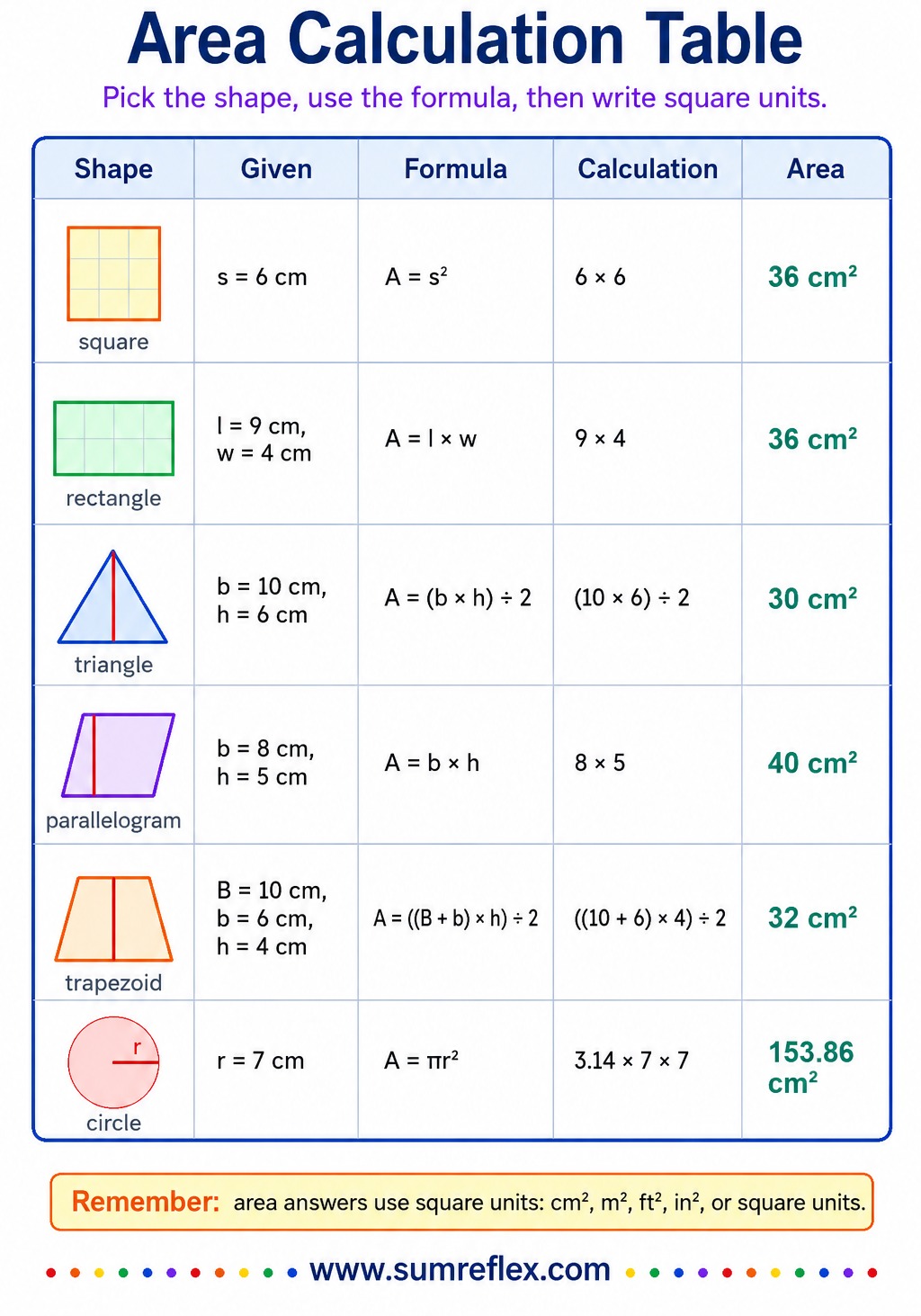
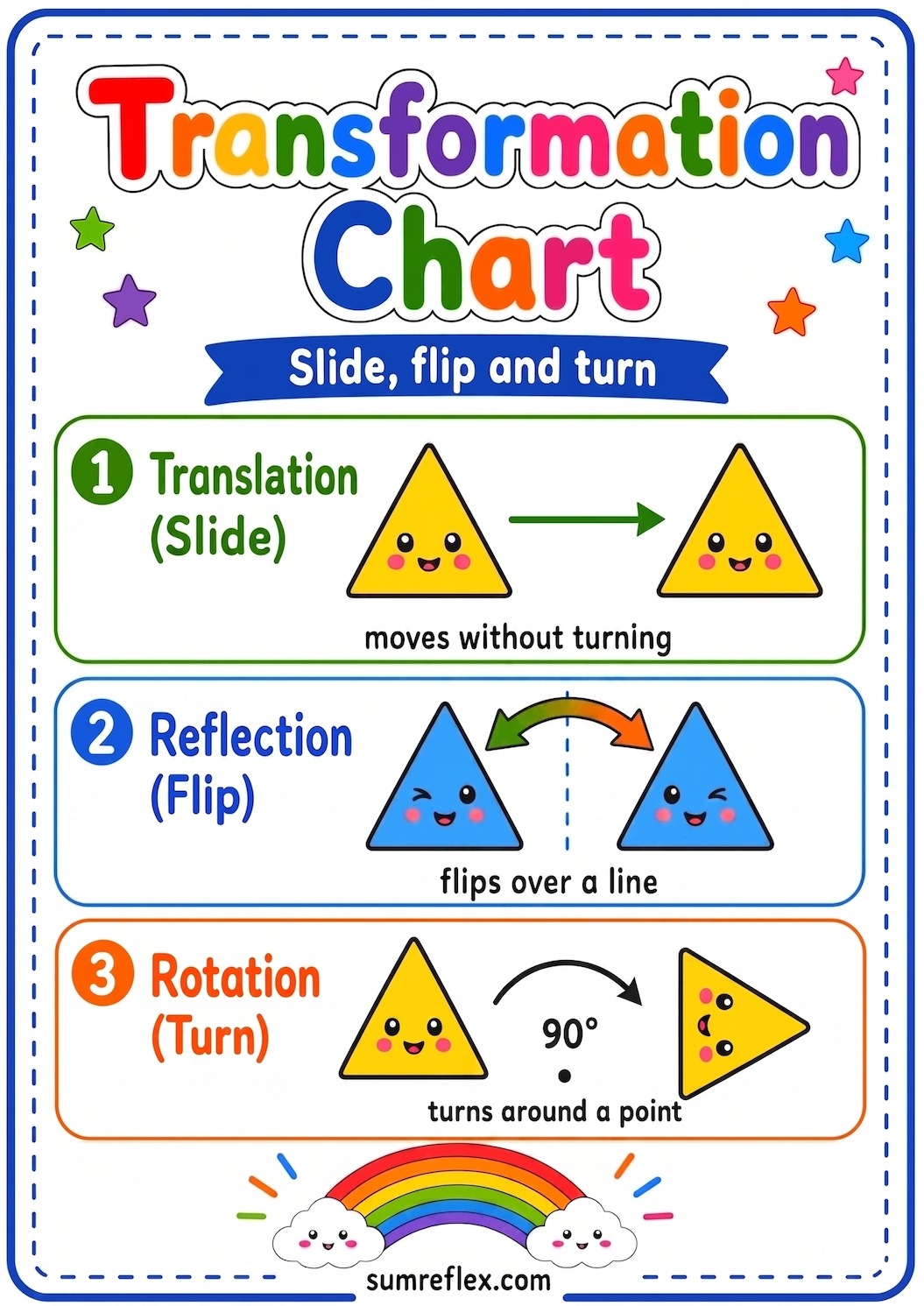
Start with the grade filter if you are planning a lesson quickly. Early grades usually need shape names, sorting, position words, and real-life examples. Middle elementary students often need vocabulary, symmetry, polygons, triangles, quadrilaterals, and angles. Older students can use the circle, transformation, trigonometry, area, perimeter, and formula charts as reference pages.
Ways to use these printable charts
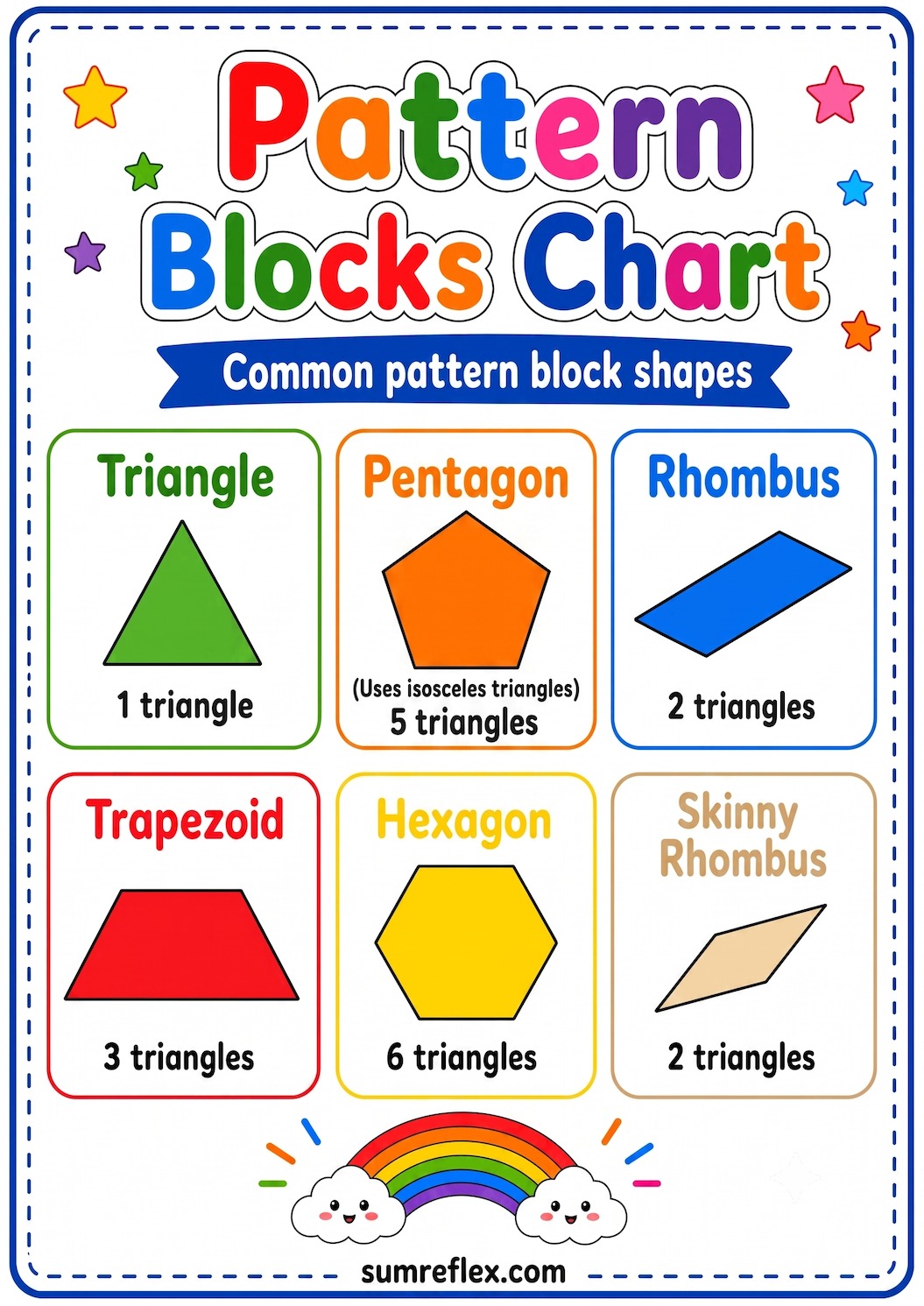
Print one chart for a math folder, place a larger copy on a classroom wall, or keep a chart beside hands-on shape blocks. The best use is short and direct: ask students to point to a word, find the matching diagram, then use that word in one sentence or problem.
Printing notes
Each chart is saved as a compressed JPG so it loads quickly and still prints clearly. Use portrait orientation for the individual chart pages. The Geometry category cover image is also a JPG and can be used as the page preview or sharing image.
Keep the charts useful, not distracting
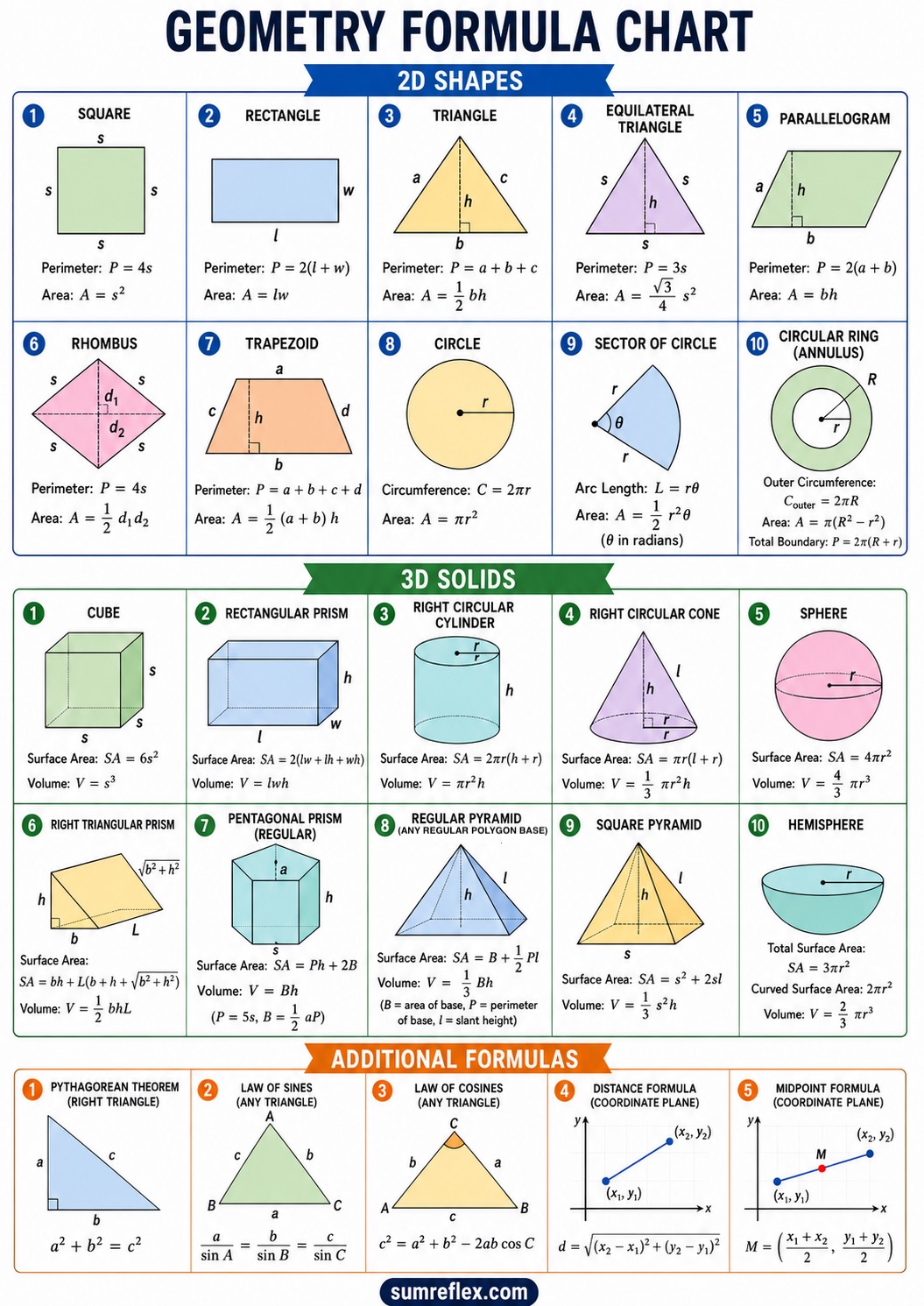
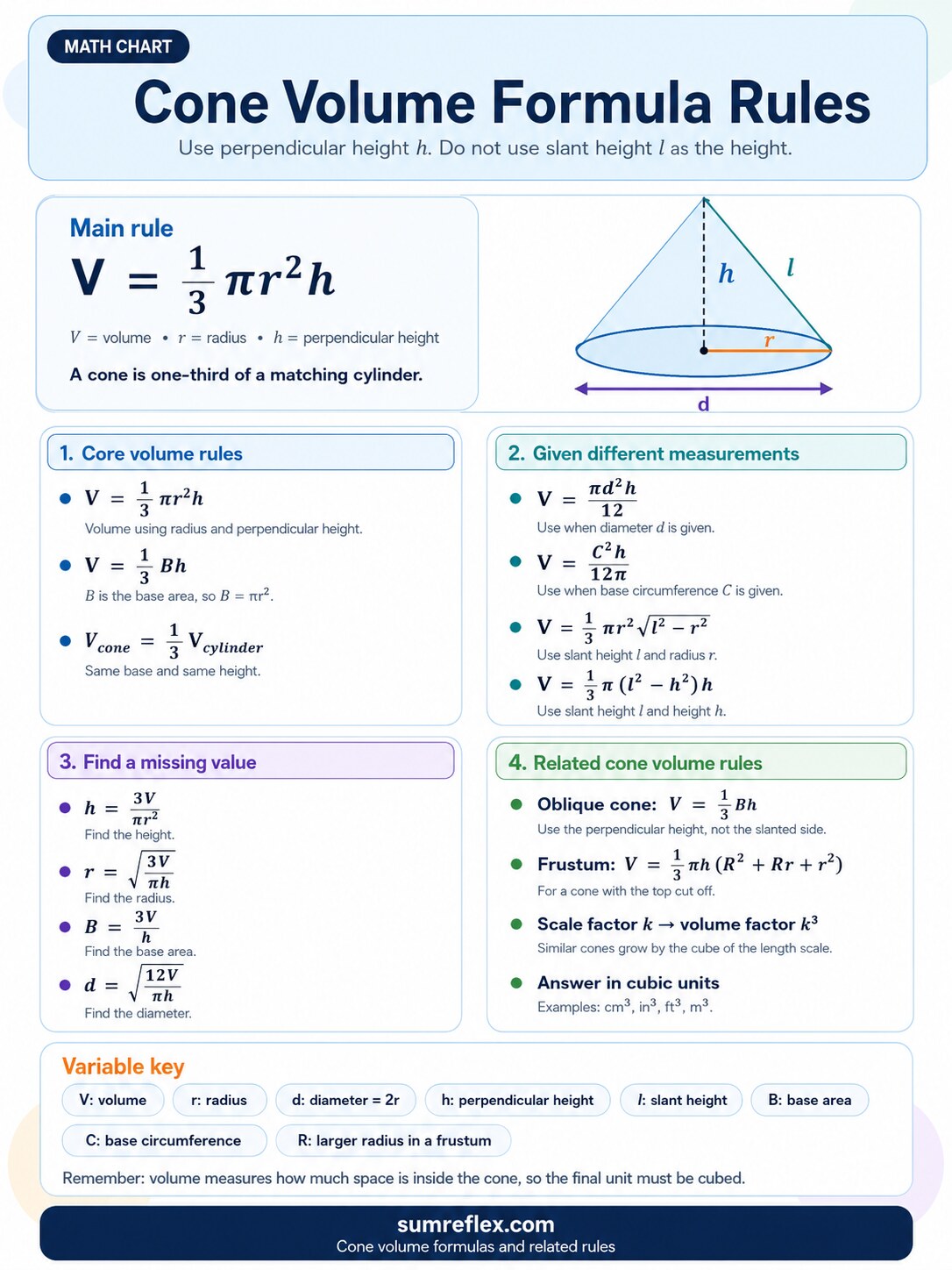
A chart should support a lesson, not replace thinking. After students use a chart to identify a shape, line, angle, trigonometric ratio, or formula, ask them to draw one more example or solve one matching problem on paper. That small follow-up turns the printable into active practice.